Best Golf Stand Bags for Juniors and Amateur Players
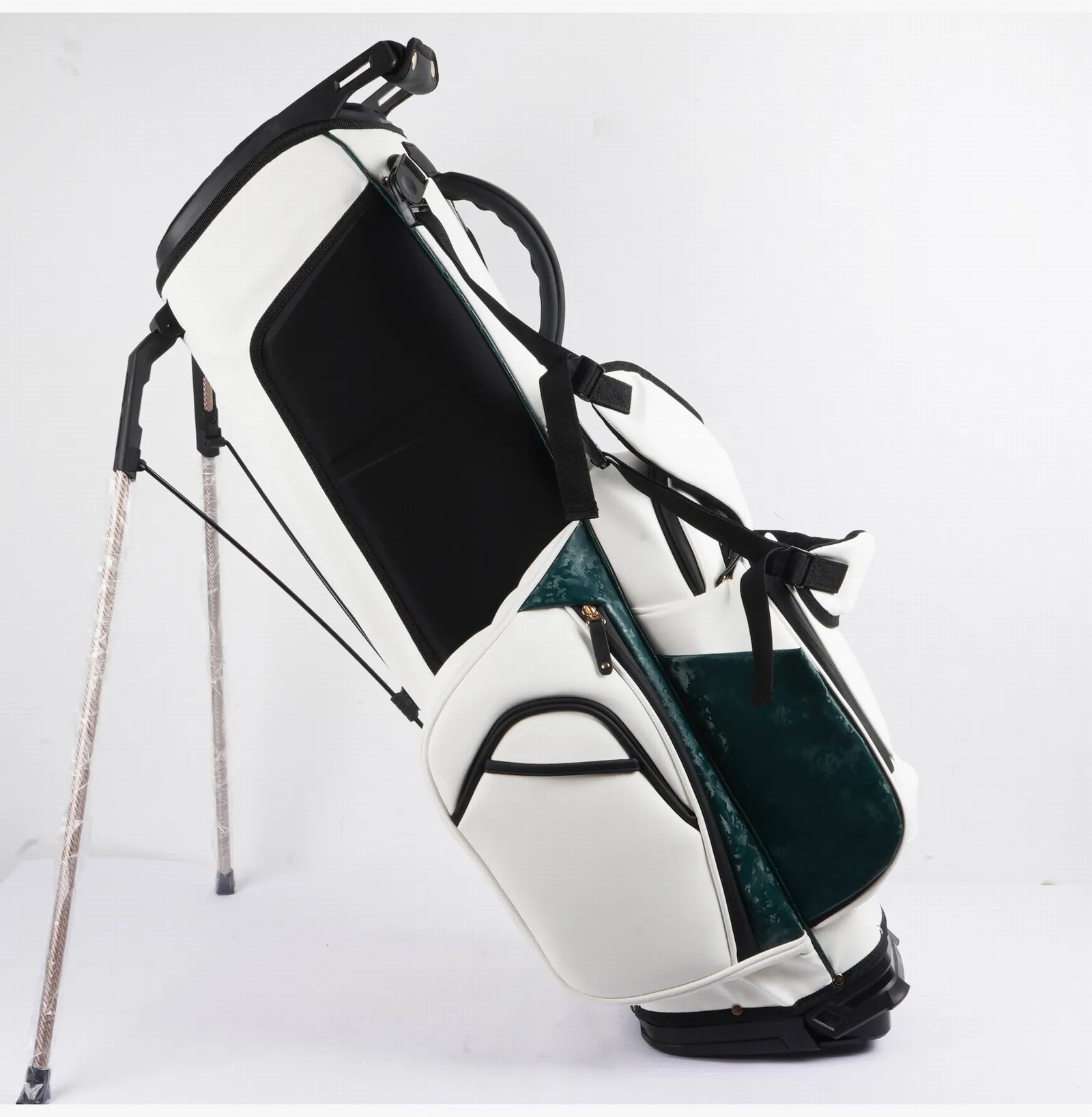
The best golf stand bags for juniors and amateur players combine a carry-friendly weight, an adjustable dual-strap system that fits different heights, reliable self-deploying legs, full-length dividers for a modest club set, and durable materials that survive weekly rounds. For a junior, the bag must be sized so clubs sit correctly and the load is reasonable; for an amateur, the bag must balance portability, organization and longevity without pro-tour bulk. This guide, written from the factory floor of QUANZHOU JUNYUAN BAGS (founded 2014, 200+ brands, 100+ countries), covers every factor so you can choose or source the right stand bag the first time.
Why a Stand Bag Suits Juniors and Most Amateurs
The stand bag is the natural choice when you walk, carry, and want your clubs at hand all round. Its defining feature is the pair of legs that deploy automatically when the bag is set down, so it stands upright on the fairway or practice green without rolling onto its face — something a plain bag cannot do. For juniors learning to walk the course and amateurs who carry on some rounds, that self-standing ability is the single biggest reason to choose a stand bag over a cart or sunday bag.
Stand bags also encourage walking and practice because they are shoulder-friendly by design: padded dual straps spread the load, and the bag is built to be carried rather than carted. For juniors, walking with a properly fitted bag builds habits and coordination; for amateurs, a comfortable carry bag removes a barrier to playing more. Whether you are outfitting a junior program or upgrading your own carry, the stand bag is the versatile workhorse. Our golf bag types guide positions stand bags against the alternatives.
Sizing: Getting the Junior Bag Right
Juniors are not simply small adults, so a junior stand bag is engineered to its own proportions. Full-size stand bags run about 90-100 cm tall with a wide girth; junior bags are shorter, typically 80-95 cm, with a smaller circumference and reduced capacity sized for 6-10 clubs. This matters because a bag that is too long makes club access awkward and can sit wrong on a young shoulder, and one that is too heavy discourages walking altogether.
The correct junior size grows with the player, and adjustable features extend a bag's useful life. An adjustable dual-strap system and maybe a telescoping or adjustable shoulder-height feature let a bag "grow" a season or two. When we build junior stand bags we also keep the overall empty weight low (often 1.3-1.8 kg) so a child can genuinely carry it. For guidance on matching bag size to a junior's height and club set, our golf bag sizing guide and stand bag weight guide detail the fit logic.
Weight and Portability Trade-offs
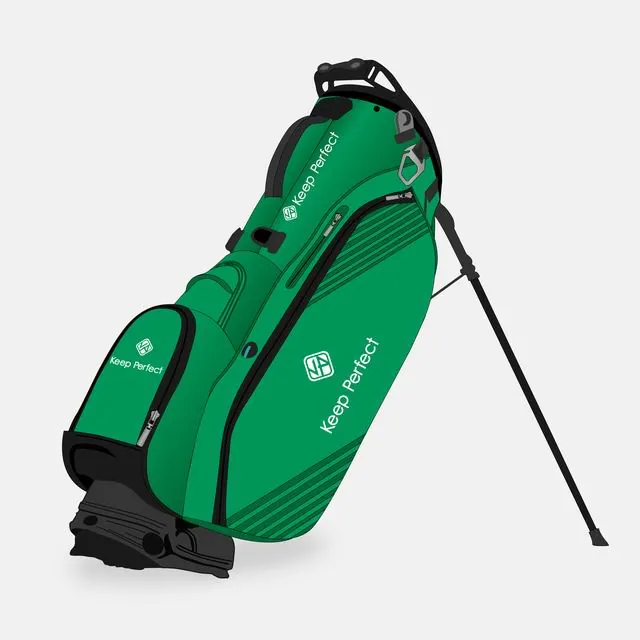
Weight is the amateur's and junior's constant companion. For an amateur who carries 12-14 clubs, a stand bag around 1.8-2.6 kg empty is the realistic sweet spot that balances durability with carry comfort. For juniors, target the lower end, 1.3-1.8 kg, because every 100 g a child does not carry is welcome. The trade-off is inevitable: lighter bags use thinner materials and fewer features, heavier bags add reinforcement and storage.
Rather than chasing the absolute lightest bag, focus on the "light enough to enjoy" threshold. A bag that forces painful trade-offs in durability or organization is not worth saving 200 g every round. When we engineer stand bags we publish the empty weight on the spec and help buyers pick the material/feature mix that hits their weight target without weakening seam and strap quality — the very balance described in our bag weight analysis and carry load guide.
Straps and Fit: The Comfort Question
Comfort is decided at the straps. The best stand bags use dual padded, adjustable straps that distribute weight across both shoulders and across the back, dramatically lessening fatigue compared to a single strap. For juniors and smaller-framed amateurs, strap adjustability and padding width matter most: the straps must cinch down to a small torso and the padding must not be so thick it slips off narrow shoulders. Many premium bags offer adjustable strap-height settings to tune the fit.
The strap junction is also a durability hotspot. We bar-tack and reinforce the strap attachment point, because that is where a loaded bag fails under repeated lugging. For growing juniors especially, adjustable, well-padded straps extend a bag's serviceable life by a full season. When you evaluate a bag, load it and adjust the straps; the difference between a comfortable and an aching walk is precisely this system. Our strap adjustment guide and ergonomics guide dig into fit and biomechanics.
Leg Mechanisms That Work Every Time
A stand bag's legs are its defining mechanism, and they must open reliably every time you set the bag down. The deployment is triggered when the bag tilts base-first: a center channel or sliding foot activates twin legs that splay out to hold the bag upright. Quality matters here — cheap legs bind, splay unevenly, or retract lazily, which defeats the whole point. Look for legs with a smooth hinge, a positive lock in the open position, and a base designed so the bag sits level on grass.
For juniors and amateurs, leg reliability and base stability matter more than exotic materials. A bag that tilts and dumps its clubs on a busy tee box is a safety and annoyance problem, not just a cosmetic one. We validate leg-open/close cycles and base level-stability on every stand bag lot, because legs are the part customers blame most when they feel cheap. For the physics of why some bags are steadier, our stand bag design guide and weight analysis cover base and leg engineering in depth.
Dividers and Organizing a Modest Set
Amateurs and juniors rarely need a 14-way divider mountain; a clean 4-way or 5-way full-length layout is usually right. Full-length dividers prevent grips tangling and shafts clattering on the shoulder — the same benefit as cart bags, at lower weight. For a junior with 6-8 clubs, even a 4-way offers separate homes for woods, irons, wedges and a putter well; for an amateur with 12-14 clubs, 5-way with full-length separation is the sweet spot.
A dedicated putter well is worth its weight here too — it protects the most-used club and keeps it grab-quick. Pocket organization should match the player's kit: a couple of small pockets for tees/balls, a valuables pocket, a rangefinder pocket on many, and one apparel pocket for layers. Our divider systems guide and the stand bag storage compartments guide detail layouts that fit modest sets well.
Comparison of Junior and Amateur Stand Bag Tiers
| Tier | Capacity | Empty Weight | Best For | Key Features |
|---|---|---|---|---|
| Junior stand bag | 6-10 clubs | 1.3-1.8 kg | Young golfers, academy programs | Shorter, adjustable dual straps, stable legs |
| Amateur/all-round stand bag | 12-14 clubs | 1.8-2.6 kg | Most walking amateurs | 5-way full-length, dual straps, reinforced base |
| Premium/crossover stand bag | 14 clubs | 2.2-2.8 kg | Dedicated walkers, push-cart users | 14-way, flat base, premium materials |
Typical weights reflect representative factory specifications for junior and amateur stand bags.
Materials That Last Weekly Rounds
A junior or amateur bag is used and abused — dropped on tees, strapped to carts, rained on, left in sun. Durable 600D-840D polyester is the workhorse, with a heavier base panel to shrug off ground contact. For wet climates, a PU-coated or waterproof build protects the contents; the decision to go fully waterproof should be driven by your rainfall reality, not marketing. Hardware must be rust-resistant and closures top-tier, because a jammed zipper ruins the round fastest.
For juniors especially, materials should survive rough handling without being heavy. Lighter 600D shells with reinforced seams give a good balance. Softer premium fabrics and leatherette accents are possible but add weight and cost. Our materials guide compresses all fabric and hardware trade-offs, and the waterproof golf bag guide distinguishes water-repellent from waterproof builds.
Sourcing Stand Bags for Brands and Junior Programs
Stand bags are a strong retail category and a staple of junior and academy programs. Wholesale sourcing follows the standard model: a 200-piece MOQ per design and colorway, 100-piece test orders for new programs, sampling in 10-20 days, and bulk production in 45-60 days. Because stand bags are more complex than sunday bags — legs, straps, dividers — unit cost sits mid-category, between budget and staff bags.
Junior programs often order a matched run of one junior stand bag spec plus a logo; corporates and pro shops stock both junior and amateur tiers. Bundling multiple stand bag SKUs through one program keeps branding and logistics consistent. Our OEM/ODM services, custom solutions and the carry/stand bag lineup cover the workflow, and our wholesale pricing guide maps the cost levers: capacity, divider count, fabric, strapping and decoration.
Quality Control Specific to Stand Bags
Stand bags demand QA beyond standard bags because of the moving leg mechanism. At QUANZHOU JUNYUAN BAGS we check: leg open/close cycle reliability, base level-stability on grass, strap pull and junction strength, divider alignment, zipper-cycle durability, and seam integrity under load. These sit inside a three-stage inspection on every lot, and our factory underwent independent SGS and Alibaba verification in 2026 — the kind of confirmation buyers of junior/amateur stand bags should seek from a supplier.
For a program buying thousands of units for retail or an academy, leg reliability is the number one quality story — the difference between a bag that keeps working weekly and a warranty problem. The inspection checklist we recommend for stand bags is in our quality standards guide and manufacturer selection guide.
Caring for a Stand Bag
Keep legs clean — sand and grit in the leg mechanism are the top cause of sticky deployment. Periodically wipe the leg hinges and apply a dry lubricant sparingly. Air the bag out after a wet round before storing, and refresh any DWR water-repellency once a season. Check strap junctions and base for wear. Store the bag upright and loosely packed rather than crushed, to preserve divider and base shape.
For a junior bag that is outgrown, proper care lets it be handed down or resold; for an amateur bag, a little attention multiples its seasons. For the full protocol, our maintenance guide and stand bag care guide cover cleaning, hardware and storage in depth.
Seven Buying Rules for Junior and Amateur Stand Bags
- Size to the golfer: juniors need a shorter, lighter bag; never let a beginner carry a full adult bag.
- Match weight to the walker: 1.3-1.8 kg for juniors, 1.8-2.6 kg for amateurs is the practical carry range.
- Dual adjustable padded straps are a must: comfort is decided at the straps.
- Test the legs: they must open reliably every time and hold the bag level.
- Choose 4-5 way full-length dividers: plenty for a modest set, and lighter than 14-way.
- Reinforce base and strap points: those are the failure spots on a walked bag.
- Use the low MOQ to iterate: a 100-piece order validates fit and quality before a larger junior/retail program.
Frequently Asked Questions
- What size golf stand bag does a junior need?
- Junior stand bags are shorter (around 80-95 cm) with a smaller girth and 6-10 club capacity, so the bag sits correctly and is not too heavy for a young golfer.
- What makes a stand bag good for an amateur?
- A good amateur stand bag balances carry-friendly weight, adjustable dual shoulder straps, reliable legs, full-length dividers and durable materials for weekly rounds.
- How heavy should a junior golf bag be?
- Aim for 1.3-1.8 kg empty. Every 100 g a child does not carry is welcome; durability must still hold up to everyday handling.
- Can I wholesale-source junior and amateur stand bags?
- Yes. Standard MOQ is 200 pieces per colorway with 100-piece test orders, sampling in 10-20 days and bulk production in 45-60 days.
- How many dividers do amateur stand bags need?
- A 4-way or 5-way full-length layout suits most players with 6-14 clubs; 14-way is heavier and overkill unless you bring a full, well-filled set.
- Are stand bags waterproof?
- Standard stand bags are water-repellent. For wet climates, specify a waterproof build with a laminated membrane and sealed seams.
- What is the lead time for custom stand bags?
- Sampling typically takes 10-20 days; bulk production runs 45-60 days depending on divider count, fabric and decoration.
Stand Bag on a Cart: The Flat-Base Question
Many amateurs split their golf between carrying and riding a push cart or trolley, so a stand bag should work on both. A bag with legs can sit awkwardly on a cart if its base is not flat, or the legs can dangle and drag. The best modern stand bags offer a hybrid answer: a flat-bottom design whose legs retract flush, so the bag sits cleanly on a cart or trolley while still standing on the course. If you plan to ride a push cart regularly, prioritise a model that is cart-stable as well as carryable.
This is a genuine design tension. Stand bags add a leg mechanism a plain cart bag lacks, but a well-engineered bag hides the mechanism when retracted so the base is flat and the bag seats firmly. We machine and validate the leg base so it is level on grass and flush on a cart — the compromise between the two worlds that most amateurs actually need. Guidance on choosing a bag for both carry and trolley use is in our stand vs cart bag guide and the push cart compatibility guide.
Value and Longevity for Amateur Buyers
Amateurs and parents of juniors buy on value, and value is duration, not just price. A stand bag that lasts three seasons of weekly play at a mid price beats a bargain that dies in one. The durability hotspots are strap junctions, leg hinges and the base — exactly the points that cost nothing extra to reinforce but make or break longevity. Buyers should weigh not just the ticket but the seams, the strap bar-tacking and the leg quality, because those determine how many seasons the bag serves.
For parents buying a junior bag, a bag that is adjustable and durable enough to hand down (or pass to a sibling) multiplies its value; for amateurs, a well-built mid-tier bag often outlasts a flagship one made of flashier but thinner materials. When we engineer amateur and junior stand bags we put the durability budget into the seams, strap points, base and leg first — the silent performance that users feel as years of reliable use. The value-focused buying lens and the concrete durability checkpoints are laid out in our wholesale pricing guide and quality standards guide.
Growing Bridging and Set-Up Advice for Beginners
Juniors and new amateurs grow fast, both in height and in the clubs they carry. A starter with a sunday bag will soon need a stand bag; as the set grows from six to twelve clubs, consider stepping from a 4-way to a 5-way or 6-way layout rather than replacing the bag at every size jump. Similarly, an adjustable strap and generous padding let a junior's bag last a season or two longer. Planning this bridge avoids buying several bags over a couple of years.
Initial setup matters too: adjusting straps and placing woods/irons/wedges in a consistent 5-way order makes the bag intuitive from the first round. For juniors especially, a simple, consistent organization teaches self-sufficiency — the bag becomes the player's own, and looking after it becomes routine. Our sunday bag explainer and sunday vs stand bag guide help stage the equipment bridge, and the strap adjustment guide gets the first fit right.
Weather and Seasonal Readiness
Beginners and amateurs play in dew, drizzle and wind as well as sunshine, and the stand bag should shrug off an ordinary course day. A water-repellent PU-coated shell handles light rain and the wet grass of a dewy morning; for wet-climate regulars, a waterproof build with a laminated membrane and sealed seams keeps a modest, valuables-packed kit dry. A rain hood over the top is a nice-to-have that protects clubs and grips from a shower you do not want to wait out.
Water protection matters most to the items in the bag — phone, keys, and the beginner's first set — and should match the rainfall you realistically face rather than marketing hype. Because juniors and amateurs often leave bags on carts or course-side while they walk, moisture resistance in the base and closures is worth checking. For the water-repellent versus waterproof decision, our waterproof golf bag guide and the waterproof lineup explain the right build for your climate.
Factory Verdict on Junior and Amateur Stand Bags
From the production floor, the best stand bags for juniors and amateurs get the fundamentals right: the right size and weight so the bag is genuinely carryable, adjustable padded straps for comfort, legs that deploy reliably, full-length dividers for organization, and durable materials that survive weekly play. Nice extras matter far less than nailing these core elements, because a bag that is heavy, ill-fitting or unstable is abandoned regardless of its pocket count.
QUANZHOU JUNYUAN BAGS has built junior and amateur stand bags since founding in 2014, backed by a 200,000-piece monthly capacity and 7 production lines. Whether you are equipping a junior program or launching an amateur stand bag line, our engineers will size and spec it to your golfers. Reach us at contact, service@junyuanbags.com, or WhatsApp +86 17750020688.
Looking for a Reliable Manufacturing Partner?
From junior and amateur stand bags to cart bags and travel covers, our team builds quality factory-direct. Test orders from 100 pieces, sampling 10-20 days, bulk in 45-60 days.
Request a Bulk Quote →Sources
- [PGA of America – Junior Golf and Player Development](https://www.pga.com/)
- [First Tee – Youth Golf Programs and Instruction](https://firsttee.org/)
- [National Golf Foundation – Junior and Amateur Participation Data](https://www.ngf.org/)
- [USGA – Equipment Guidance](https://www.usga.org/)
- [Golf Datatech – Bag Category Market Data](https://www.golfdatatech.com/)