Best Golf Sunday Bags for Beginners and Juniors
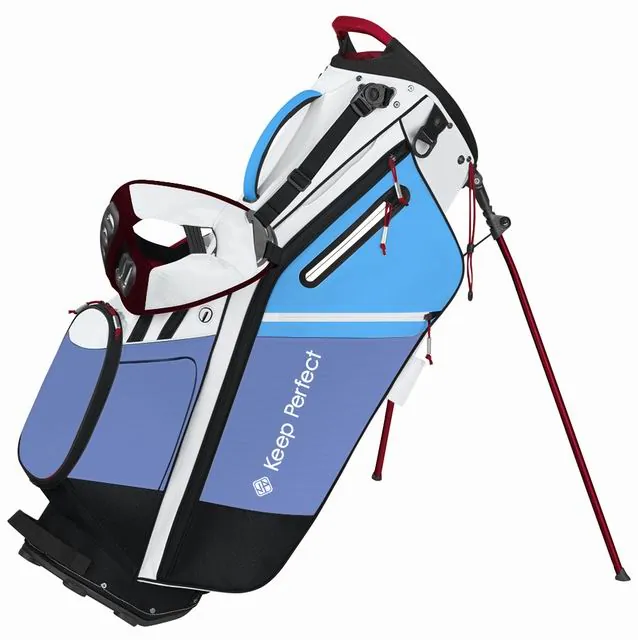
The best golf sunday bags for beginners and juniors hold just 4-6 clubs, weigh under 1.5 kg empty, use a simple 2-3 way club top and a small pocket layout, and are built from durable materials at an entry-level price. That combination lowers the barrier to starting golf: a beginner or junior does not need a heavy 14-club stand bag, and a light, simple sunday bag makes range practice and short rounds genuinely enjoyable. This guide, written from the production floor of QUANZHOU JUNYUAN BAGS (founded 2014, 200+ brands, 100+ countries), covers what makes a sunday bag right for beginners and how to source them for retail, pro shops or juniors programs.
What a Sunday Bag Is, and Who It Suits
A golf sunday bag is the simplest bag in the family: a light, compact carrier for a handful of clubs, designed for practice and short rounds. Some versions keep a club stand or rest-by-leaning design; at minimum they provide an easy club top, a few pockets, and a comfortable single or dual strap. They are sometimes called "Sunday sticks" bags because golfers once used them for casual family rounds played with only a few clubs.
The beginner and junior fit is natural. A new player does not yet own a full set and will not carry 14 clubs; a sunday bag matches the reality of a starter kit of 4-6 clubs. It is also the least intimidating bag to own — no leg mechanism, no complex pockets — which lets a beginner focus on hitting balls and finding the bag on the course rather than managing it. Our sunday bag explainer covers the form factor, and the sunday carry bag lineup shows the range.
Why Simplicity Wins for Beginners
The single biggest design virtue of a beginner's sunday bag is simplicity. A beginner does not want to puzzle over 14 pockets or fight a complicated layout; they want to grab a club, hit, and move. A 2-way or 3-way top is ideal — enough to keep clubs from clanking together without demanding careful slotting. A couple of simple pockets for balls, tees and a glove covers the essentials. Anything more is weight and confusion a novice does not need.
Simplicity also means fewer failure points. Fewer pockets mean fewer zippers to jam; a simpler build is cheaper and more robust. For a junior given a bag for lessons and events, a simple, sturdy sunday bag sets a positive first experience that encourages continued play — which is the real goal. The "less is more" logic is detailed in our minimalist sunday bag guide and our golf bag types guide.
Weight Is the Beginner's Number One Barrier
Weight is the aspect most beginners and juniors feel first. A full stand bag can be 2.5 kg or more; a sunday bag is typically under 1.5 kg, often 0.8-1.2 kg empty. That difference is the difference between enjoying a few holes and being done after one. For juniors especially, a light bag is essential — every 100 g a young golfer carries matters, and a bag that is heavy will be abandoned or left riding a cart, defeating the walking habit you want to build.
The trick is light weight without flimsy build. We achieve it by using a single-layer durable shell, quality but minimal hardware, and a simple construction — removing features rather than weakening materials. When we spec a beginner sunday bag we publish the empty weight and target the light enough to enjoy threshold while keeping seams and straps strong. Our bag weight guide and weight analysis explain how to judge a genuinely light bag.

Club Capacity: Match the Starter Set
Beginners and juniors start with a small set — typically 4-6 clubs: a driver or hybrid, a mid-iron, a wedge, and a putter, often with a 5-iron or fairway wood added. A sunday bag sized for this is ideal. Choose a 2-way top for a 4-club starter set, or a 3-way for up to 6 clubs. This not only keeps the bag light but teaches good habits: a beginner carries only what they use, and the small set forces simple, repeatable shot choices — excellent for skill building.
As a junior grows out of the starter set, the next natural step is a stand bag or a light full bag; the sunday bag is a phase, not a destination. For programs that hand a bag to every new junior, a 6-club sunday bag with room to grow is a practical, affordable unit. Our club capacity guide and sunday vs stand bag guide help stage the right bag at each level.
Straps and Carrying Comfort
Even a light bag needs a comfortable way to carry it for a two-hour lesson or nine-hole round. For a beginner, a well-padded shoulder pad (single strap is fine; a simple dual strap is even better for balance) is important, because a novice carries the bag more deliberately and may not readjust straps well. For juniors, adjustability and narrow padding that fits a small shoulder matter. The strap must also be fast to adjust as a junior grows.
The strap junction is a longevity hotspot, so we bar-tack and reinforce it even on an entry sunday bag — beginners drop bags, and a torn strap is a fast way to disappoint a new player. A top grab handle for picking the bag up and loading it is a small feature with outsized value. Our strap adjustment guide and sizing/fit guide cover getting a comfortable fit the first time.
Comparison of Beginner and Junior Sunday Bag Options
| Option | Club Capacity | Empty Weight | Best For | Features |
|---|---|---|---|---|
| Starter 2-way sunday bag | 4 clubs | 0.8-1.1 kg | Absolute beginner, basic set | Simple pockets, single pad |
| 3-way junior sunday bag | 6 clubs | 1.0-1.4 kg | Juniors in lessons/programs | Dual strap, small valuables pocket |
| Waterproof beginner sunday bag | 4-6 clubs | 1.2-1.6 kg | Wet-climate regions | PU-coated or waterproof shell |
Typical weights reflect representative factory specifications for beginner and junior sunday bags.
Materials Built for Rough Handling
Beginners and juniors are not gentle with gear: bags get dropped, dragged, sat on between shots and rained on. A 600D polyester shell is the durable, economical sweet spot for beginner sunday bags; it shrugs off normal abuse without being heavy. A reinforced base panel protects the seam where the bag meets the ground. Hardware — buckles, zippers, clips — should be rust-resistant, because bags get wet and left damp.
For wet climates, a PU-coated or waterproof build keeps the tiny kit dry. Because these bags are entry-level, keeping durability high without raising cost is the engineering goal; we prioritize seam strength, zipper quality and base reinforcement over decorative extras. For a full material comparison, our materials guide covers fabrics and hardware, and the waterproof golf bag guide explains when to step up to a waterproof build.
Pockets and Organization for a Starter Kit
Keep pocket logic beginner-friendly. A good starter sunday bag has: a main open pocket for a ball or two and tees, a small zip pocket for golf glove or phone/keys, and maybe one side pocket for a water bottle. The exact count stays small — 2-4 pockets max — so nothing overwhelms. Using the bag is intuitive: everything has an obvious home, and the layout encourages the beginner to put away and find clubs without hunting.
For a junior special consideration: a clearly visible valuables pocket with a secure zipper gives young players a safe place for phone/keys, teaching responsibility with the kit. As the bag grows with the player, organization can expand, but the beginner phase should stay minimal. The organization principles that suit starter sets are covered in our storage compartments guide and our packing guide.
Wholesale Economics of Beginner Sunday Bags
Beginner and junior sunday bags are ideal low-cost entry SKUs for pro shops, junior programs and retailers. They are the most affordable bag to produce — less material, fewer components, no leg mechanism — which gives retailers a price point that makes starting golf approachable. Wholesale follows the standard model: a 200-piece MOQ per design and colorway, 100-piece test orders, sampling in 10-20 days, bulk production in 45-60 days.
While the per-unit cost is low, quality still matters because a beginner judge the sport by the gear they are handed. Choose decoration carefully to keep costs low while making the bag look inviting — a single bright panel, screen print or a simple logo goes a long way. Our OEM/ODM services and custom solutions manage low-minimum branding runs, and the wholesale pricing guide breaks down the cost structure. Retailers bundling a sunday bag with a starter set can see it in our wholesale section.
Quality Control for Entry-Level Bags
Even the cheapest sunday bag must not fall apart in a season, because the brand and the sport lose trust together. At QUANZHOU JUNYUAN BAGS entry sunday bags still pass a three-stage quality check: incoming materials, in-line sewing with seam and strap verification, and final inspection. We verify strap pull strength, zipper cycle, and base reinforcement on every lot, and our factory underwent independent SGS and Alibaba verification in 2026.
For a pro shop or program buying beginner bags in volume, low cost is no excuse for low quality — a well-built entry bag prevents the warranty and reputation problems that plague cheap imports. The inspection checklist we recommend is in our quality standards guide and our manufacturer selection guide.
Caring for a Beginner Sunday Bag
Keep a beginner sunday bag simple to maintain: empty it after each session so balls and tees do not accumulate, and let it dry if it got damp before storing. Wipe the shell and base periodically; sand works into seams and zippers. A quick zipper check and air-dry after rain are really all it needs. Because the bag is small, these tasks take minutes and teach a junior the habit of looking after their own gear.
For the whole care picture, our care and longevity guide and sunday bag durability tips cover cleaning and maintenance in simple terms suitable for new players and their parents.
Seven Buying Rules for Beginner and Junior Sunday Bags
- Keep it light: under 1.5 kg empty, ideally 0.8-1.2 kg, so the beginner is not put off.
- Match capacity to the starter set: 4 clubs for beginners, up to 6 for juniors in lessons.
- Choose a 2-3 way top: enough organization without complexity.
- Keep pockets few and obvious: 2-4 simple pockets suit a novice best.
- Durable at the right price: 600D shell, reinforced base, rust-resistant hardware.
- Comfort matters even when light: a padded, adjustable strap protects the first experience.
- Use the low MOQ to start a program: a 100-piece order equips a junior program affordably.
Frequently Asked Questions
- What is a golf sunday bag?
- A simple, light bag holding 4-6 clubs with a basic pocket layout, designed for short rounds, practice and beginners.
- Why is a sunday bag good for a beginner or junior?
- It removes the weight barrier, is simpler than a full bag, costs less, and matches a starter set of 4-6 clubs — ideal for learning the course or the range.
- How many clubs fit in a beginner sunday bag?
- Four to six clubs: typically a driver or hybrid, a mid-iron, a wedge and a putter, with room to add a 5-iron or fairway wood.
- What is the weight of a good beginner sunday bag?
- Around 0.8-1.2 kg empty. Keeping light is the key to encouraging beginners, especially juniors, to carry and walk.
- Can I wholesale-source beginner and junior sunday bags?
- Yes. Standard MOQ is 200 pieces per colorway with 100-piece test orders, sampling in 10-20 days and bulk production in 45-60 days.
- Are sunday bags waterproof?
- Standard sunday bags are water-repellent. For wet regions, specify a PU-coated or waterproof build to keep the small kit dry.
- What is the lead time for custom sunday bags?
- Sampling typically takes 10-20 days; bulk production runs 45-60 days depending on design, fabric and decoration.
The Sunday Bag as a Starter-Kit Bundle
One of the most effective ways beginners and juniors get their first clubs is the starter bundle: a sunday bag packed with a starter set of 4-6 clubs. Retailers, pro shops and junior programs bundle these because the all-in price is approachable and everything matches. For programs this is the ideal entry unit — one SKU hands a new junior a complete, portable way to play. The bag in a bundle must be durable enough to survive the program's use, but simple enough to keep the bundle affordable and the beginner unconfused.
When we build bags for starter bundles we optimise the bag as the durable, brandable carrier of a modest starter kit, keeping the cost low without cutting the seams or straps that take the abuse. Because the bundle represents a brand's first impression of the sport, quality in the bag directly shapes whether the new golfer keeps playing. For planning a bundle or a welcome kit, our wholesale section and the OEM/ODM services cover building the complete set, and sourcing a starter program is a natural fit for a low-MOQ test order.
Growing Into the Next Bag
A sunday bag for a beginner or junior is a phase, not a final home, and planning the progression saves money and frustration. When a starter outgrows 4-6 clubs, the next step is a light stand bag or a full-size bag with more room and dividers. Because a beginner who has enjoyed carrying a light sunday bag is primed to keep walking, the transition should preserve the habit: keep the next bag light and simple rather than jumping to a heavy tour-spec model.
For parents and program directors, the guide is simple: match the bag to the current clubs and to the golfer's size, and plan the next step when the set visibly outruns the bag. A well-maintained sunday bag is also easily passed to a younger sibling or a new beginner, making it durable and reusable. The equipment progression from sunday to stand to full bags is laid out in sunday vs stand bag and our golf bag types guide, so you know exactly when and how to step up.
Why Low Cost Should Never Mean Low Safety
Even at entry price points, a sunday bag must meet basic safety and robustness standards that protect the young golfer: no sharp hardware, a reinforced strap that cannot tear loose mid-carry, stable buckles, and materials free of odour and harmful finishes. Cutting these corners to chase the lowest cost is the exact mistake that damages a brand and, worse, a child's experience. Solid construction is both a safety matter and a reputation matter for anyone selling to programs or parents.
This is why, although a sunday bag is the cheapest bag we make, it is not the least-tested. Every junior and beginner sunday bag still passes strap pull, seam, zipper and hardware checks before dispatch. For buyers, insisting on a supplier who verifies these basics — and can show an independent audit such as the SGS and Alibaba verification our factory completed in 2026 — is how you offer an affordable bag you can stand behind. The quality baseline and audit questions are documented in our quality standards guide and manufacturer selection guide.
Colour, Style and Making the Bag Inviting
For beginners, especially children, how a bag looks strongly affects whether they want to use it. A bright colour, a clean logo or a friendly panel turns an inexpensive sunday bag from utility into something a junior is proud to carry — and a young golfer who likes their bag is more likely to ask to go to the course. When we build junior and beginner sunday bags, style is a genuine design input: we help brands and programs pick palettes and simple decoration that appeal to new players without driving up cost.
Keep decoration tasteful and functional: a bright shell with a single logo or panel reads well on a cart and photographs nicely for a program, whereas busy graphics can look cheap and can't be subtle. For a pro shop or a junior program, offering one or two inviting colourways outsells a plain black entry. The way presentation shapes first experiences is covered in our design and styling guide, and colour and deco options are specified with any custom solutions build.
Colour, Style and Making the Bag Inviting
For beginners, especially children, how a bag looks strongly affects whether they want to use it. A bright colour, a clean logo or a friendly panel turns an inexpensive sunday bag from utility into something a junior is proud to carry — and a young golfer who likes their bag is more likely to ask to go to the course. When we build junior and beginner sunday bags, style is a genuine design input: we help brands and programs pick palettes and simple decoration that appeal to new players without driving up cost.
Keep decoration tasteful and functional: a bright shell with a single logo or panel reads well on a cart and photographs nicely for a program, whereas busy graphics can look cheap. For a pro shop or a junior program, offering one or two inviting colourways outsells a plain black entry. The way presentation shapes first experiences is covered in our design and styling guide, and colour and deco options are specified with any custom solutions build.
Factory Verdict on Beginner and Junior Sunday Bags
From the production floor, the best sunday bags for beginners and juniors are the ones that remove friction from a first experience with the game: genuinely light, holding just the starter clubs, easy to use with a few obvious pockets, and durable enough to survive rough handling and wet weather at an entry-level price. Complexity is the enemy; a beginner should be thinking about their swing, not their bag.
QUANZHOU JUNYUAN BAGS has made beginner and junior sunday bags since founding in 2014, backed by a 200,000-piece monthly capacity and 7 production lines. Whether you are kitting a junior program, supplying a pro shop, or running a starter-pack promotion, reach us at contact, service@junyuanbags.com, or WhatsApp +86 17750020688.
Looking for a Reliable Manufacturing Partner?
From beginner sunday bags to stand bags and travel covers, our team builds quality factory-direct. Test orders from 100 pieces, sampling 10-20 days, bulk in 45-60 days.
Request a Bulk Quote →Sources
- [PGA of America – Junior Golf and Learning](https://www.pga.com/)
- [First Tee – Youth Golf Instruction and Programs](https://firsttee.org/)
- [National Golf Foundation – Golf Participation and Beginners](https://www.ngf.org/)
- [USGA – Equipment Guidance](https://www.usga.org/)
- [Golf Datatech – Bag Category Market Data](https://www.golfdatatech.com/)