How to Choose a Durable Golf Cooler Bag for Daily Use
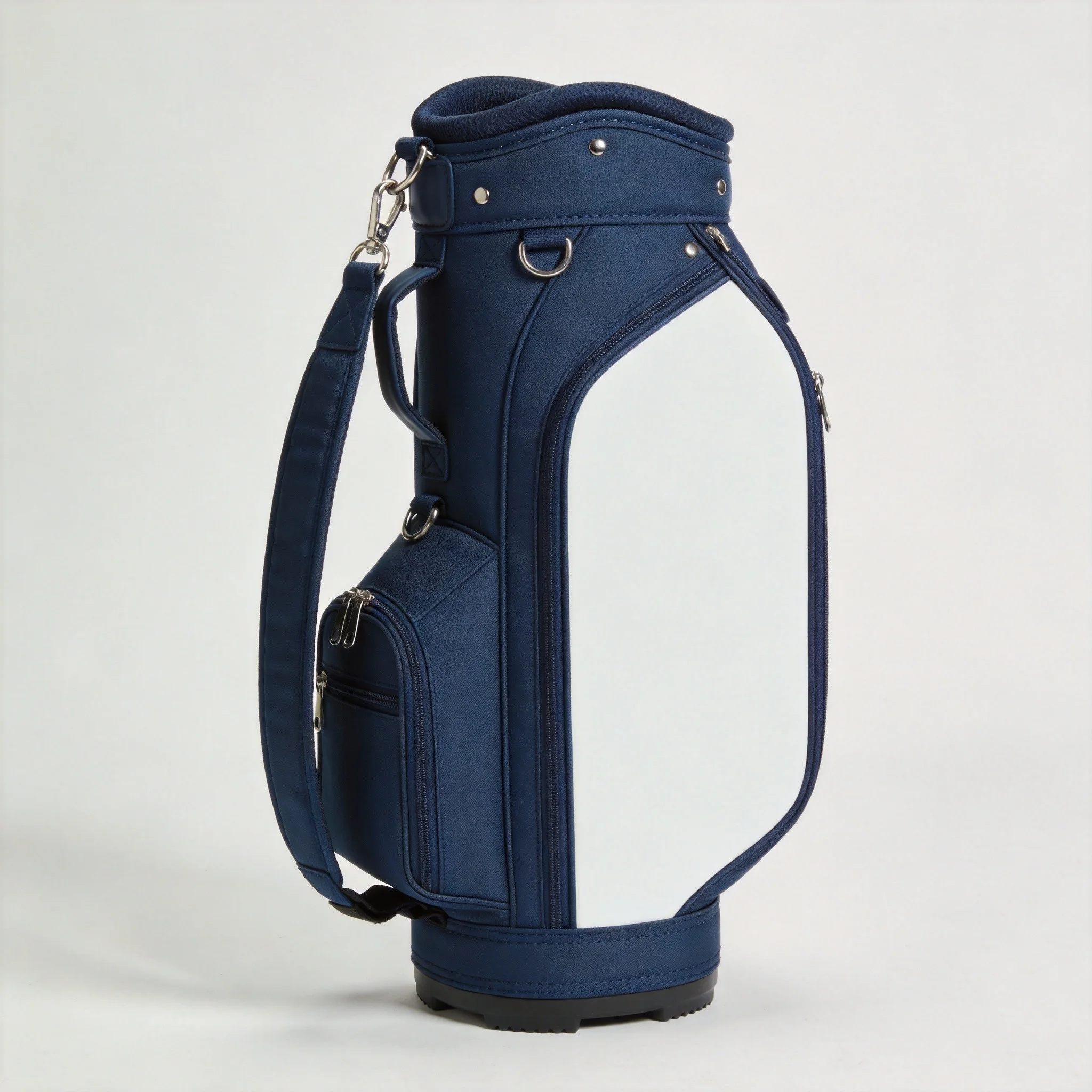
Choose a durable golf cooler bag for daily use by prioritising a 600D or heavier polyester or nylon shell, a sealed or welded leak-proof liner, closed-cell insulation at least 12-20 mm thick in the walls and lid, rust-resistant zippers and hardware, and a reinforced base that survives cart rides and wet ground. Durability is not one feature but a chain of materials and construction choices: any weak link — a thin shell, an open seam, a flimsy zipper — shortens the bag's life. This guide, from the production floor of QUANZHOU JUNYUAN BAGS (founded 2014, founder in the industry since 2004, serving 200+ brands across 100+ countries from a 4,950 m² affiliated factory), shows exactly what to inspect so your cooler lasts a season of daily rounds and beyond.
A daily-use cooler bag lives a harder life than a once-a-month holiday cooler. It is loaded and unloaded repeatedly, bounced on a cart, dropped in the boot, exposed to condensation, sunscreen, sweat and direct sun, and wiped clean every few rounds. Each of those stresses attacks a different part of the construction. Understanding which materials and joints absorb that stress — and which fail first — is the difference between a bag that feels great at purchase and one that still works well a year of daily rounds later.
Start With the Shell: Fabric Weight and Weave
The shell is the first line of defence, and fabric weight is the most honest durability signal in the specification. A 600D polyester or nylon shell is the practical sweet spot for daily golf use: tough enough for cart rides, scuffs and sunscreen, yet light enough to stay convenient. Dropping to 300-420D trims cost and weight but sacrifices abrasion resistance — such shells show wear, snagging and thinning at stress points well before a season is out.
Look past the number to how the weave behaves. A tightly woven, coated fabric resists both abrasion and moisture transfer better than a loose open weave. Water- and UV-resistant finishes protect the shell from rain, sun fade and the oils in sunscreen that discolour weaker fabrics. For hot-climate daily play, a heat-resistant or light-reflective outer layer reduces how much sun heat the shell passes inward, keeping contents colder and the shell from baking. Our waterproof materials comparison sizes up the shell fabrics side by side.
The Leak-Proof Liner: Where Dampness Must Stay
Daily use guarantees condensation, melted ice and the occasional spill, so the interior liner is arguably the most important durability feature. A sealed or welded PE / coated nylon liner with fully sealed seams keeps every drop of liquid inside the liner, where it can be wiped away, rather than soaking into the foam insulation. Unsealed liners weep moisture into the foam over time, which both destroys cold retention and breeds odour and mildew — the two fastest ways a cooler bag dies from the inside.
Test the liner before you trust it. A good factory flood-seals a sample interior and confirms no moisture migrates to the foam after a set period. When you read a specification, look for "sealed/welded interior" and an actual leak test — not just a "water-repellent" claim. The leak-proof cooler features guide lists every joint to inspect, from the seams to the zipper base.
Insulation: The Core That Must Stay Springy
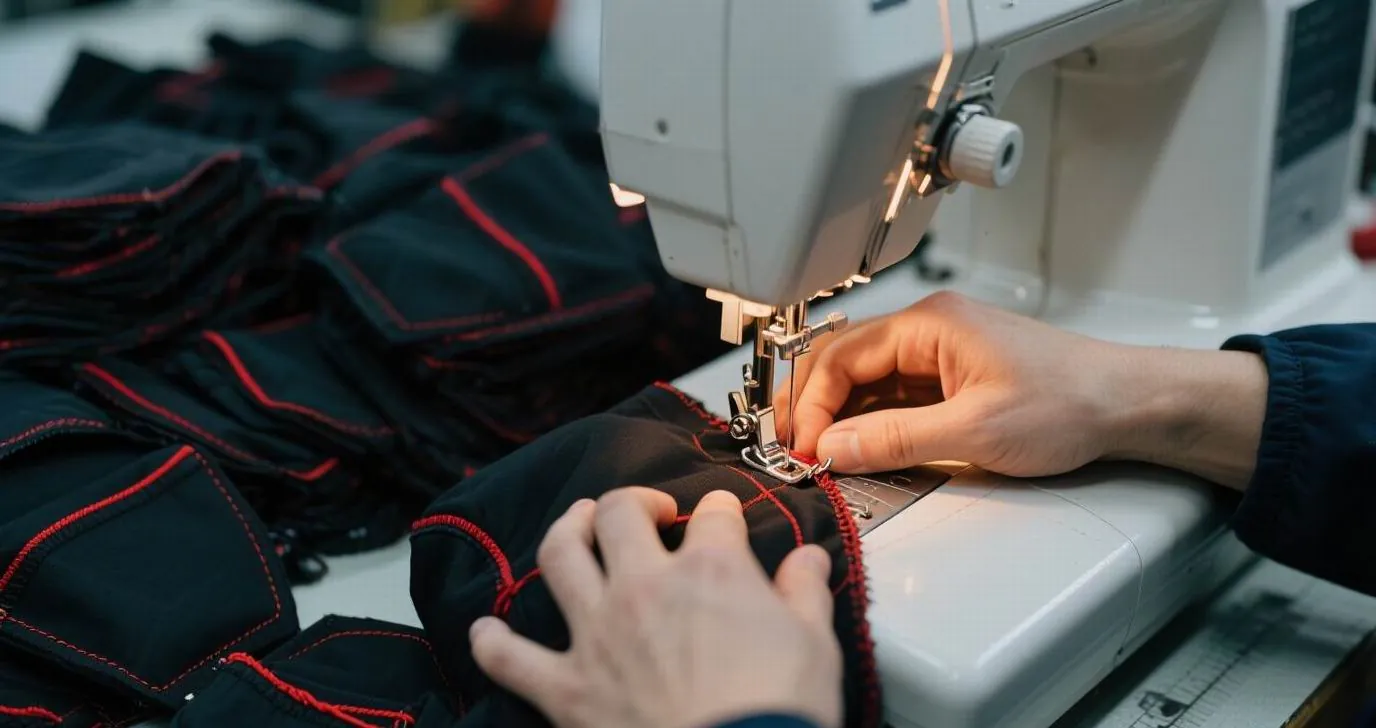
Insulation is what keeps contents cold, but for daily use the more important property is that it keeps its shape. Closed-cell or high-density PE foam systems — typically 12-20 mm in the walls and lid — resist compression, so a loaded, repeatedly-pressed bag does not flatten its core within a season. Cheap open-cell foam compresses readily and bleeds cold quickly, and once flattened it stays flat, permanently shortening the bag's effective life.
Thickness in the lid matters as much as the walls. Heat rises, so a bag with a thin lid loses a disproportionate amount of cold through the top; a bag with proper lid insulation holds temperature far longer. On our cooler lines we use multi-layer construction — outer shell, closed-cell foam layer, inner thermal lining — to give the bag both rigidity and retention. Retention time should be stated under defined conditions. The insulation materials guide compares the foam and lining options in technical detail.
Hardware: Zippers, Handles, Buckles and Loops
Hardware is the small-print durability that daily users notice most. Zippers fail under repeated open-and-close with damp contents, so look for rust-resistant, reverse coil or coated zippers specified to take the load. Handles take the heaviest repeated strain — daily lifting of a loaded bag — so they need reinforced stitching and a comfortable grip that does not fatigue the hand. Buckles, clips and cart loops should be robust and easy to use while wearing gloves, and any metal that touches the shell must resist rust.
Some daily coolers avoid zippers entirely at the main opening, using a roll-top or gusseted closure that seals tighter and eliminates the zipper as a failure point. That is a legitimate durability advantage, offset by slightly less convenient access. Choose based on how often you will open the bag: a zipper suits frequent, quick access; a roll-top suits sealing integrity and less frequent opening. Our accessories and hardware guide and the bag durability tips guide cover the closure and hardware trade-offs.
Reinforced Base and Standing Stability
A daily cooler does most of its structural wear at the bottom. It is set down on concrete, gravel, wet rough and cart floors, and dragged by its handle across the ground, so a reinforced base panel is a must. A padded or double-layer base protects the seams where the bag drags and where it sits on wet ground, preventing the fabric and stitching from abrading and the contents from shifting the weight unevenly.
Standing stability is the practical partner to reinforcement. A flat, wide base keeps the cooler upright on uneven course terrain and cart surfaces, so it does not tip as the cart brakes or turns. When we build daily-use coolers we reinforce the base, test standing stability under a full load, and check the corner seams where wear concentrates. A bag that stands square and sits stably outlives one that tips, drags and rocks, because every knock is avoided rather than absorbed.
| Component | Durable Choice | What To Avoid | Why It Matters Daily |
|---|---|---|---|
| Shell fabric | 600D+ polyester/nylon, coated | 300-420D, uncoated | Absorbs cart rides, scuffs, sunscreen |
| Liner | Sealed/welded PE, sealed seams | Unsealed, water-repellent only | Keeps condensation out of the foam |
| Insulation | Closed-cell 12-20mm in walls + lid | Thin open-cell foam | Stays springy, holds temperature |
| Hardware | Rust-resistant zippers, reinforced handles | Cheap coil, flimsy clips | Survives repeated damp use |
| Base | Reinforced, padded, wide and flat | Single thin layer | Takes the wear of constant setting-down |
Representative guidance from factory build specifications for daily-use golf cooler bags.
Capacity and Fit for Daily Routines
Durability means nothing if the bag does not fit how you actually use it, and daily golfers have predictable routines. A solo player who walks most rounds wants a compact 8-12 can personal cooler that mounts easily and stays convenient; a group or long-day player wants a 15-24 can mid-size haulier. Choose capacity to match your typical daily load, not an aspirational ideal — a bag that is oversized gets dragged, top-heavy and awkward for the very daily use it was meant to simplify.
Fit with your cart or trolley is part of daily durability too. A cooler that rattles, slides or tips on your cart wears its base and hardware faster, so confirm the size and mounting system match your actual setup. The cart-mounting design guide and size guide help you match capacity and fit precisely to your routine.
Quality Assurance: What a Serious Factory Tests
For a bag to genuinely last daily use, the factory has to test more than a single prototype. Look for evidence of specific QA: fabric abrasion testing, a flood-seal leak test on the liner, retention testing under defined conditions, and closure integrity under a full load. AQL sampling on every lot protects consistency so that what you approved on the sample is what ships across the whole run.
At QUANZHOU JUNYUAN BAGS these sit inside a three-stage inspection, and we run the same fabric, seam and leak checks on cooler programmes that we run on our regular golf bag lines. In 2026-03 the factory underwent independent SGS verification. When buying, ask the factory to walk you through the exact checks on the component that matters most to you; a supplier that names its tests instead of promising vaguely is a far safer bet. The quality control standards guide lists every test a daily-use cooler should pass.
Caring for a Daily-Use Cooler
Even the most durable cooler lasts longer with a routine, and daily use needs daily care. Empty the bag at the end of each round, wipe the liner dry, and leave it open so the interior airs out before it is stored away — a sealed damp cooler is the most common way foam and liner degrade from the inside. A mild detergent rinse of the interior and thorough drying works well for odours and residue.
Check the zipper or closure each season, re-treat the shell's water repellency if you want to keep rain and sunscreen off it, and store the bag partially open so the lining breathes. Small checks catch small problems before they grow. Following these habits keeps the foam springy, the liner seal intact and the shell fresh for many seasons of rounds, which is why our cooler care guide and cold retention guide treat cleaning and storage as part of the durability equation.
Need a Cooler Built for Daily Durability?
Tell us your capacity, typical daily use and any hot-climate or heavy-wear needs and we will return a spec with shell, liner, insulation and hardware options built for longevity. Test orders from 100 pieces help you validate before you scale.
Request a Bulk Quote →Sourcing a Durable Cooler in Bulk
If you are a course, retailer or brand stocking reliable daily-use coolers, the buying standard is no different from what an individual should demand — only multiplied across volume. The standard MOQ is 200 pieces per design and colourway, with a 100-piece test tier. Confirm the shell weight, liner seal, insulation thickness and hardware spec on the sample, and repeat the checks on bulk with AQL sampling so the daily-use durability you approved is what reaches every shelf or cart.
Ask the factory for fabric sourcing details and abrasion/leak test evidence rather than a one-line durability promise. A lot-run continuity from a 200-piece order to a full container is what protects a retailer's reputation and a course's guest experience across thousands of daily uses. Our wholesale cooler sourcing guide and factory selection guide walk through buying durable daily-use coolers at scale.
Pockets, Organisation and Daily Convenience
Daily use rewards good organisation as much as good materials, because a bag that is easy to work with gets treated better and lasts longer. A durable daily cooler benefits from a mix of pockets scaled to its size: an insulated main compartment, a side pocket for snacks or a towel, and a sealed valuables pocket for the phone and wallet that should never get damp or rattling around the ice. The pockets themselves need the same fabric quality as the shell, because they take their own repeated loads.
Look for smooth, wide-opening access and zippers that glide even when damp, because a bag you fight with gets handled roughly and worn faster. A small mesh or drainage pocket is valuable at group sizes for wet can rings and condensation. Balance the layout for the bag's size — right-sized pockets and easy-to-open zips make the bag pleasant to use twenty times a round, and a bag that is a pleasure to open and close earns far more gentle, loyal use than one that is ingenious but awkward. These daily-use design details are covered alongside the size arithmetic in our bag organisation guide and the cooler size guide.
Hot-Climate and UV Considerations for Daily Use
Daily golfers in hot climates put extra demand on a cooler, and durability takes on a specific meaning in the sun. Prolonged UV exposure degrades outer fabrics and foam over time, so a heat-resistant or light-reflective shell protects both the bag's looks and its performance. In 30+°C play, prefer at least 15-20 mm wall insulation so the bag holds its core temperature, and keep the lid insulated and actually closed between holes.
Heat also stresses the liner and zipper more, because contents stay cooler in a hotter shell and condensation is heavier. Pre-chill contents before loading, keep the bag out of direct sun when parked, and give the shell an occasional wipe to clear sunscreen and dust that accelerate UV damage. For a daily-use cooler that will live in and out of the sunbelt car, these habits stretch its life and its retention peak. The hot-climate insulated cooler guide and our waterproof coating care guide give the full sunbelt playbook.
Cart Mounting Systems That Last the Season
A daily cooler is mounted and unmounted from a cart constantly, so the mounting system is a genuine wear component, not just a convenience. Look for a sturdy grab handle for lifting to and from the cart, a padded shoulder strap if you walk with the bag, and a robust cart loop or hook that secures the bag without allowing it to slide on sharp turns. The hardware must be rust-resistant, because it is frequently damp, and the stitching around the mounting points needs reinforcement to survive daily lifting of a loaded bag.
Test the mounting against your actual cart or trolley before relying on it for a season. A cooler that rattles or tips on your setup wears its base and hardware faster, and a strap that slides risks both the bag and the clubs. We routinely test mounting hardware under a full load against cart vibration, because the easiest way to end a daily-round habit early is a cooler that is awkward to attach and carry. The cart-mount design guide and ergonomic design guide cover the carry and mounting ergonomics in detail.
Warranty, Build Evidence and the Factory Behind It
Because durability is about the long run, the manufacturer's warranty and its willingness to name its build standard are useful signals. A factory confident in its stitching, sealing and insulation will state a coverage period and describe what it will repair or replace, rather than offering a vague promise. Ask what the warranty actually covers — seams, zippers, liner integrity — and how claims are handled across markets, because that tells you whether the factory stands behind the daily-use traits its materials claim.
Evidence beats adjectives. Prefer a factory that shares fabric abrasion and leak-test results, names its insulation thickness and retention test conditions, and walks you through its inspection stages. At QUANZHOU JUNYUAN BAGS we run three-stage inspection across 7 production lines with 126 sewing machines and 137 employees, and the factory passed independent SGS verification in 2026-03. A partner that can show, not just claim, is the most reliable route to a cooler that genuinely lasts daily use — which is why our partnership building guide and factory selection guide start with verifiable build data over marketing language.
Branding and Customisation for a Daily-Use Cooler
For a brand, a daily-use cooler is a reliable, high-frequency ambassador precisely because it is carried so often, which is why courses, clubs and corporate programmes put their logo on durable coolers rather than one-day swag. The same materials that make the bag last make the branding last: a clean screen-printed mark on a 600D shell, or an embroidered patch for a premium feel, stays crisp through a season of use rather than fading after weeks.
Because the bag is used outdoors and regularly wiped, choose a decoration method matched to its life. A bold single-colour screen print suits everyday use; heat transfer handles full-colour graphics; embroidery adds the premium finish for a member or sponsor tier. Customising your capacity, insulation and pocket layout to suit how your golfers actually use a daily cooler — walkers, riders, hot climates — makes it a product they reach for every round... The branded ice bag marketing guide and our corporate cooler events guide cover decoration durability and programme planning for daily-use coolers at the standard 200-piece MOQ.
Frequently Asked Questions
- What fabric weight makes a golf cooler bag durable?
- A 600D or heavier polyester or nylon shell is the reliable sweet spot for daily use. Below 600D, bags wear, snag and thin faster at stress points; coated weaves resist moisture and sun better.
- Why is a sealed liner important for daily use?
- Condensation and spills are daily facts for a cooler. A sealed or welded liner keeps liquid out of the foam, which preserves cold retention and prevents the odour and mildew that unsealed liners breed.
- How thick should cooler insulation be?
- A closed-cell foam core of 12-20 mm in the walls and lid is the durable standard. Insulation in the lid especially matters, because heat rises and a thin lid bleeds cold fast.
- Should I get a zipper or roll-top cooler?
- Zippers suit frequent, quick access but can fail with damp contents; roll-top closures seal tighter and remove the zipper as a failure point. Choose by how often you open the bag.
- How long should a quality cooler bag last?
- With routine care — empty, dry and store open — a well-built cooler with a 600D+ shell, sealed liner and closed-cell foam should hold its form and performance through a season of daily rounds and longer.
- What QA should a durable cooler pass at the factory?
- Look for fabric abrasion testing, a flood-seal leak test on the liner, retention testing under defined conditions, closure integrity under load, and AQL sampling on every lot.
Choosing a durable golf cooler bag for daily use comes down to trusting the materials, not the marketing. A 600D+ coated shell, a sealed leak-proof liner, closed-cell insulation with a proper lid, rust-resistant hardware and a reinforced base are the features that survive a season of daily rounds. When those are verified at the factory, the bag quietly keeps doing its job for years.
To source daily-use coolers or a custom durable program, contact QUANZHOU JUNYUAN BAGS at contact, service@junyuanbags.com, or WhatsApp +86 17750020688. Browse the build tiers via our golf cooler bags range and the custom solutions page.