How Long Do Golf Ice Bags Retain Cold Temperatures?
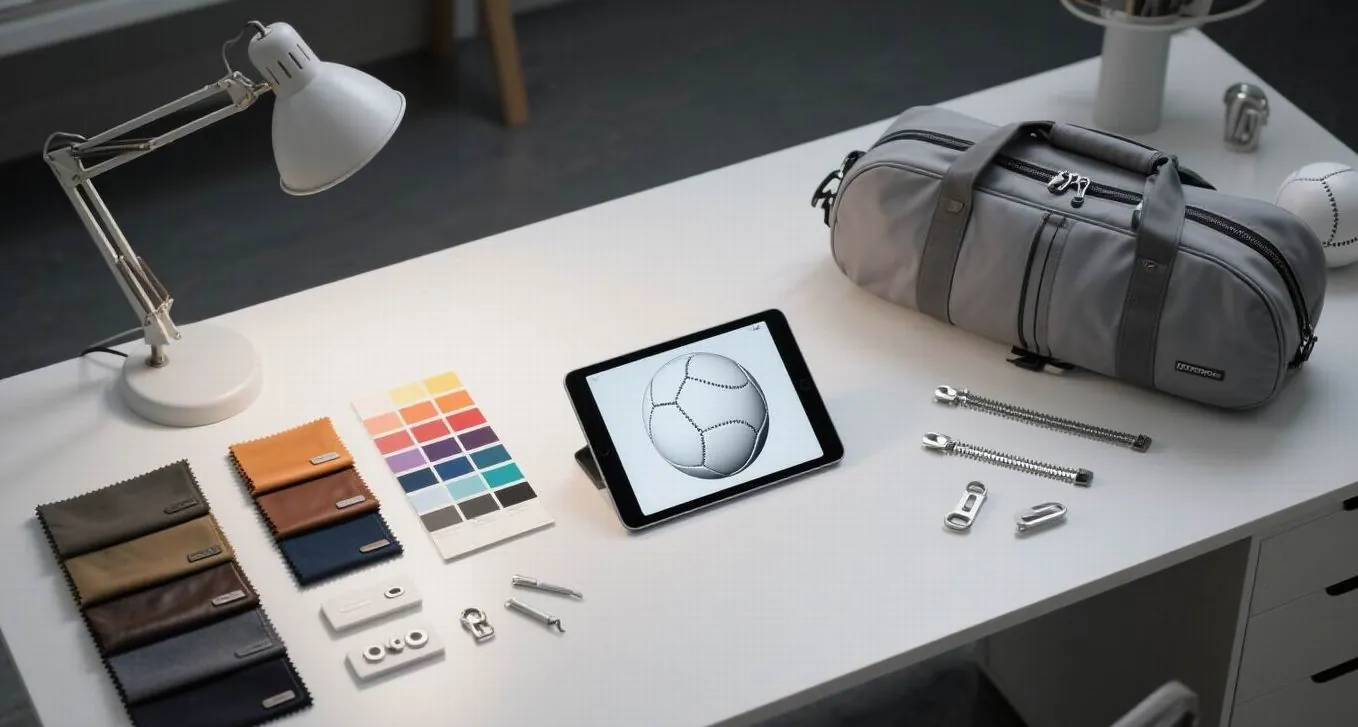
A quality golf ice bag retains cold temperatures for about 8-12 hours under typical course conditions, while a thinner, budget-foam bag holds roughly 4-6 hours; the exact figure depends on insulation thickness, an insulated lid, whether contents are pre-chilled, how often the bag is opened, and ambient temperature. On a standard summer round that 8-12 hour window is comfortably enough to keep cold drinks from the first tee to the 19th hole, provided the bag is built with at least 12-20 mm closed-cell insulation and packed smart. This guide, from the production floor of QUANZHOU JUNYUAN BAGS (founded 2014, founder in the industry since 2004, serving 200+ brands across 100+ countries), explains what actually decides retention and how to get the most cold out of any cooler bag.
Every golfer who owns a cooler has asked the same question on a hot day: will my drinks still be cold at the turn, let alone on the back nine? The answer is a function of construction and habits, not luck or marketing. Understanding the science of heat transfer through a cool bag — where cold is lost and what slows that loss — lets you choose a bag that lasts a full round and use whatever you own to its full potential. The section below walks through the variables a factory actually designs for.
Insulation Thickness: The Dominant Variable
The single biggest factor in how long a cooler bag stays cold is insulation thickness in the walls and lid. Closed-cell or high-density PE foam core systems of 12-20 mm are the quality standard, delivering the commonly expected several hours to the 8-12 hour range under reasonable conditions. Dropping to 8-10 mm thin foam trims cost but cuts retention noticeably, typically down to the 4-6 hour range — fine for a short nine, marginal for a full day.
On hot-climate programmes or full-day events, we recommend the higher end of that range: 15-20 mm of wall insulation plus the same treatment in the lid. Thicker foam holds cold longer precisely because it slows the rate at which exterior heat reaches the contents. If you often play in 30°C+ heat for a full round, the extra millimetres are the difference between a cold post-round drink and one that has gone warm by the clubhouse. The insulation materials guide compares foam densities and retention in technical detail.
The Lid: Heat Rises, So Insulate It
One of the most underrated retention variables is the lid. Heat rises, so a cooler bag with a thin or uninsulated lid loses a disproportionate amount of cold through the top — even when the walls are thick, a weak lid is a thermal gap that shortens overall retention. A properly insulated lid, sealed closed between accesses, removes that gap and extends the useful cold window by a meaningful margin.
This is why the best golf coolers insulate the lid to the same standard as the walls and why reminding yourself to actually close it matters. Every time the lid is left open or the top flap hangs loose, warm air rushes in against the cold contents. Get into the habit of closing and sealing the bag after every reach-in, and the retention difference over a round becomes obvious. The cooler construction features guide highlights the lid seal as a core specification to check.
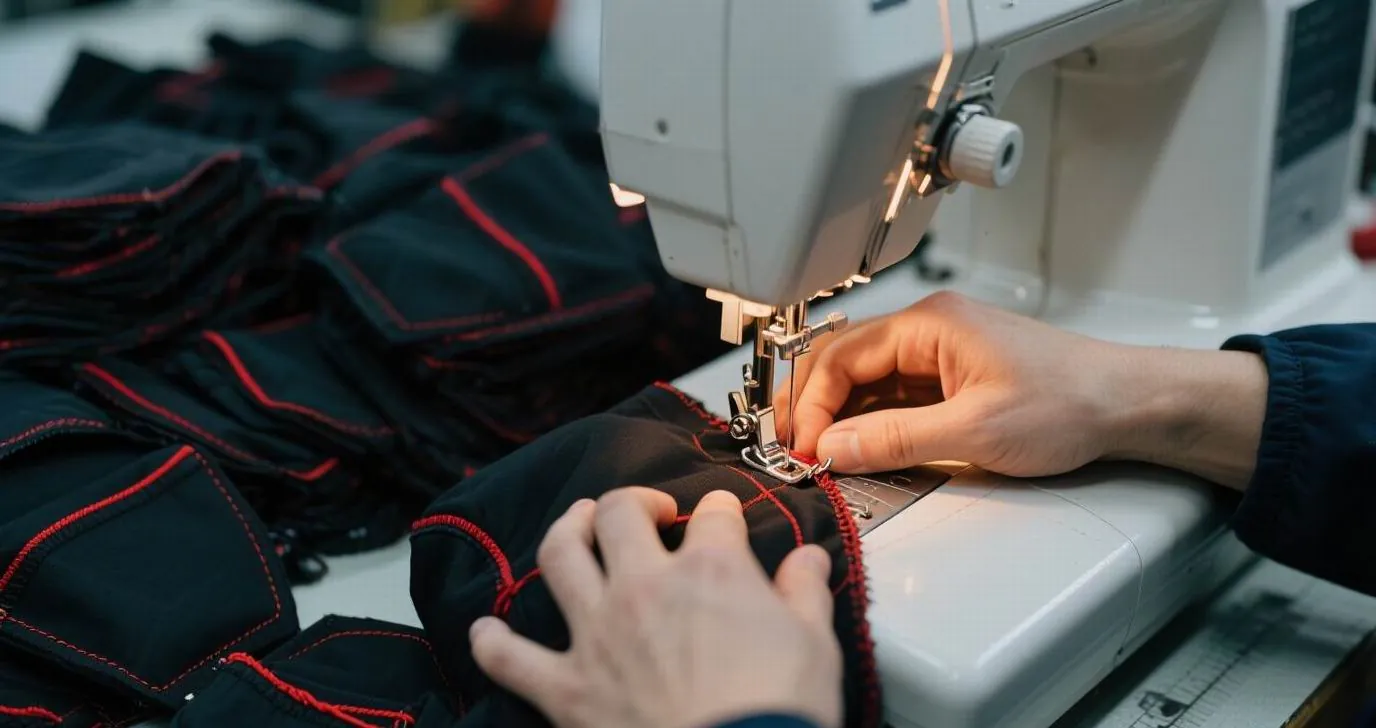
Pre-Chilling: Start Cold to Stay Cold
Insulation holds cold; it does not create it. A cooler bag stuffed with warm drinks spends its insulation budget trying to cool them down before it can start maintaining their temperature, which burns through the retention window fast. Pre-chilling contents — and chilling the bag itself — before loading is the single most effective habit for extending cold retention, with no cost and immediate results.
Start with drinks already refrigerated or on ice, add ice packs or frozen water bottles, and if you can, chill the bag interior briefly before packing. Ice packs and frozen bottles do double duty: they help maintain temperature efficiently without melting into pooling water. On a hot day a pre-chilled bag with a frozen-pack core easily outlasts an identical bag loaded with room-temperature stock, which is exactly the practical outcome golfers want from the first tee. Our cold drinks on course guide covers the pre-chill playbook in full.
Opening Frequency and Packing Density
How often you open the bag and how full you pack it are the two usage variables that most move retention after construction. Every zip-open cycle exchanges cool air for warm ambient air, so the less you open and the faster you close, the longer the cold lasts. A bag you open for a drink every three holes retains less than one opened sparingly — warm air exchange is the invisible tax on frequent access.
Packing density compounds this. A tightly packed bag leaves little air space to heat up, so the remaining cold goes further; a mostly-empty bag holds a large volume of air that warms quickly and then cools its surroundings slowly. Fill the bag generously with cold items and ice, minimise the air gap, and open it decisively but briefly. Together these habits are worth hours of retention, independent of the bag's price. The capacity and insulation guide ties packing density to both retention and the volume you actually need.
Ambient Conditions: Sun, Heat and Humidity
The conditions around the bag matter as much as the bag itself. Direct sun heats the shell and drives warmth inward, so parking the cooler in shade or keeping its lid out of the sun extends retention on hot days. Ambient temperature is the baseline: on a 35°C afternoon the same bag that holds out for 10 hours in mild weather will run shorter, because the temperature gradient pulling heat inward is steeper.
Humidity affects it too. Warm, humid air carries more heat into the bag than dry air, so damp heat is harder on retention than dry heat. A heat-resistant or reflective shell reduces how much sun heat the bag absorbs, which is why hot-climate coolers perform better in direct course sun. Understanding these external factors tells you when to adjust — pre-chill harder, insulate thicker or pack tighter as the forecast climbs. Our hot-climate insulated cooler guide and cold retention guide set expectations by weather.
| Retention Estimate | Insulation | Conditions | Typical Use |
|---|---|---|---|
| 4-6 hours | 8-10 mm thin foam | Standard, some opening | Short rounds, budget bags |
| 8-10 hours | 12-15 mm closed-cell | Pre-chilled, moderate opening | Standard full round |
| 10-12 hours | 15-20 mm + insulated lid | Pre-chilled, sealed, less opening | Full day, hot climate |
Representative figures under defined conditions; actual retention varies with ambient temperature, opening and packing. Confirm a factory's stated test protocol for its own numbers.
Reading a Retention Spec Honestly
Retention claims deserve scrutiny, because "keeps ice cold" is marketing language, not a measurement. An honest specification tells you the conditions: whether contents were pre-chilled, the ambient temperature, how often the bag was opened, and the hold time achieved. A bag rated for 10 hours with sealed, pre-chilled contents and minimal opening will not hit that on a 35°C course opened for a drink every few holes.
When you compare bags or brief a factory, ask for the test protocol rather than a single impressive number. Understanding the stated conditions lets you estimate real-world performance for your own round and adjust your habits accordingly. At QUANZHOU JUNYUAN BAGS we rate our coolers under defined conditions and tell buyers what to change to push performance further — because a buyer who questions retention assumptions reliably avoids the "warm by the turn" disappointment. Our factory certifications guide and quality control tests guide cover how retention is verified on the line.
Need a Cooler That Lasts the Round?
Tell us your climate, typical round length and capacity and we will recommend the insulation thickness and build to hold cold from tee to clubhouse. Test orders from 100 pieces validate retention before you scale.
Request a Bulk Quote →Sealing and Leak-Proofing as Retention Helpers
Retention and sealing are closely linked: a bag that cannot seal tightly loses cold through the gaps, and a bag that lets condensation soak its insulation degrades its own core. A sealed or welded interior liner keeps liquid out of the foam so the insulation stays dry and springy, which preserves its thermal performance across seasons. A leak-proof liner is therefore not just a hygiene feature; it is a retention feature, because a soggy foam core insulates poorly.
Check that the interior seams are sealed and the closure shuts snugly. A cooleler that weeps moisture into its walls loses retention as the foam becomes damp, and once compromised it rarely recovers. When you assess retention, assess sealing with it — the two travel together in a well-built bag. The ice bag vs cooler comparison and the durable cooler guide tie sealing directly to how long a bag keeps performing.
Getting the Most From Any Cooler on the Course
Whatever bag you own, the same habits push retention to its ceiling. Pre-chill drinks and the bag, pack tight with ice substitutes, keep the lid closed and sealed between reaches, park out of direct sun, and match your packing density to the round ahead. On a hot forecast, add a frozen pack or two; on a mild day, a lightly loaded pre-chilled bag coasts easily through eighteen holes.
These habits cost nothing and routinely add hours of cold to the same bag. Combined with a well-insulated shell and a sealed lid, they are what separate a cooler that lasts the whole day from one that goes warm by the turn. Golfers who apply them consistently find their ice bag reliably delivers cold drinks from the practice green to the clubhouse, all season. The retention guide and cooler care guide round out the full playbook.
What Retention Means for Courses and Brands
For courses, resorts and brands sourcing coolers, retention is a spec you should ask for in writing. When a rental or resale fleet will be used on hot summer days across a full season, the insulation thickness, insulated lid and sealed liner are the differences between a fleet guests enjoy and one they quickly outgrow. Specify a retention goal under stated conditions and confirm the factory can meet it on sample and in bulk.
At the standard 200-piece MOQ per design with a 100-piece test tier, freeing the fleet on these specs is straightforward; the test tier is exactly the place to validate retention against the climate your guests face. A course that chooses coolers rated for a full round under summer conditions delivers a genuinely better day — and stops answering the question "my drinks went warm" altogether. Our course cooler sourcing guide and ice bag manufacturing standards guide help you specify retention correctly at scale.
Retention by Bag Type and Use Case
Retention expectations scale with the bag you choose, and matching the right cooler to the right day is part of managing it. A small personal side cooler that holds a few drinks and a couple of ice packs will typically do a very efficient job on a single round, because it is small enough that closing discipline and pre-chilling go far. A larger 20-30 litre cart cooler that carries drinks, snacks and fruit for a group holds its temperature well but has more air and volume to manage, so its retention depends more on tight packing and minimal opening.
Walkers with push-cart hybrids use slim side or backpack coolers that keep cold close to the cart; riders favour larger front-of-cart units for full-day access. Each type trades off capacity, access and retention differently. Understanding that the small, tightly-packed cooler often retains cold more easily than the big loosely-packed one means choosing capacity that matches your actual need rather than the largest available, and packing it to the brim with cold items so there is little air to warm.
How Factories Test Cold Retention
Professional cooler retention is measured, not guessed. A reliable factory test fills a bag with a defined content, adds a controlled ice or chilled load, closes the bag, and records the internal temperature over time in a controlled ambient room, noting when contents reach a target temperature threshold. That protocol, with its stated conditions, is what turns a marketing claim into a spec you can compare bag to bag.
When you brief a factory, ask for the exact test: the starting temperature of contents, ambient room temperature, the ice load, whether the bag was opened during the test, and the hold time achieved. Two bags can both claim "8-12 hours" yet differ wildly in performance because their test conditions differ. A factory that publishes its protocol, rather than a bare number, is signalling it has actually done the measurement. At QUANZHOU JUNYUAN BAGS the retention checks run across 7 production lines with 126 sewing machines and 137 employees, and the facility passed independent SGS verification in March 2026 — so buyers get numbers they can hold us to.
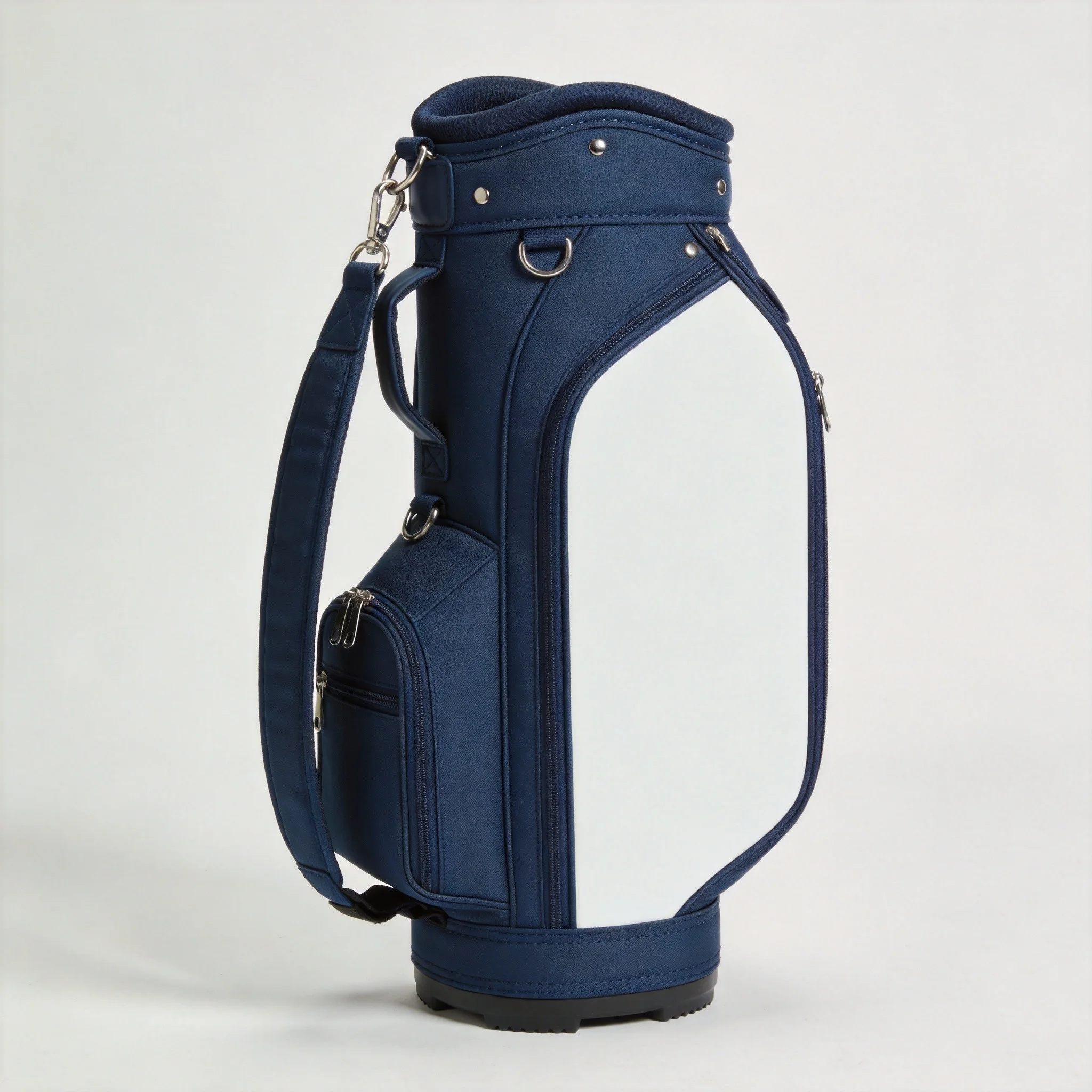
Common Retention Myths to Ignore
Several popular beliefs about cooler retention do not survive scrutiny, and acting on them wastes the cold you have. The first myth is that a zipped bag is automatically sealed — most cooler zips allow some air to pass, so a toggled or lidded closure, and closing the lid flap over the zip, matters more than a tight zip alone. The second is that ice always beats pre-chilled contents: in practice pre-chilled drinks plus a moderate ice pack retain cold for longer and avoid the soggy-bottom mess, because the bag is not fighting to chill warm liquid first.
A third myth is that more ice always means longer cold. Beyond a practical point, extra loose ice adds dead air volume and can bury the contents, making access slow and frequent; properly cold, tightly packed contents plus a couple of frozen packs usually beats a bag overloaded with loose ice. Let those myths go and your cooler will hold cold closer to its true spec. The cold drinks guide and ice bag vs cooler guide dig further into what actually moves retention.
Care That Protects Retention Season After Season
Retention is not permanent if the bag is neglected. A cooler that is stored compressed, folded under weight, or left with damp insulation loses the springiness of its foam core, and a bag with damp or flattened walls insulates less with each passing season. Airing it out fully after every use, storing it open and uncompressed in a cool, dark place, and never folding the insulated walls flat are simple habits that preserve the thermal core for years.
Leak-proofing care does double duty here: wiping down the liner, drying the seams and keeping moisture out of the foam means the insulation stays dry and effective. An insulated cooler well maintained at the start of the season performs at the same level at the end, whereas a neglected one gradually shortens its own cold window. The cooler cleaning and maintenance guide walks through the full routine, and the durable cooler guide explains which construction resists the wear that would otherwise shorten retention.
Frequently Asked Questions
- How long do golf ice bags keep drinks cold?
- A quality insulated ice bag keeps drinks cold for 8-12 hours under typical course conditions, and around 4-6 hours with thinner budget foam. Thicker 15-20 mm insulation, an insulated lid, pre-chilled contents and less opening push retention toward the longer end.
- What is the biggest factor in cold retention?
- Insulation thickness in the walls and lid is the dominant variable. A sealed, insulated lid matters more than most people expect because heat rises and a thin lid bleeds cold fast.
- Does pre-chilling really matter?
- Yes, a lot. Insulation holds cold rather than creates it, so a bag packed with warm drinks spends its insulation budget cooling them first. Pre-chilling drinks and the bag, plus ice packs, extends retention with no cost.
- Why does my cooler go warm faster on hot days?
- Higher ambient temperature steepens the temperature gradient pulling heat into the bag, and direct sun further heats the shell. Humidity also carries more heat inward, so damp heat is harder on retention than dry heat.
- Is an 8-12 hour claim realistic?
- Yes for a well-built bag under defined conditions — pre-chilled contents, minimal opening, reasonable ambient temperature. A bag rated that way will not match it if opened constantly on a 35°C course, so always check the stated conditions.
- How do I choose a cooler that lasts a full round?
- Choose 15-20 mm closed-cell insulation in walls and lid, a sealed leak-proof liner, and a snug closure. Pre-chill your contents, pack tight, keep it out of the sun and seal it after each reach-in.
- Does a bigger cooler hold colder for longer?
- Not necessarily. A large, loosely packed cooler has more air to warm and warms faster; a smaller bag packed tight with cold contents and little air retains cold more easily. Match capacity to your needs and pack it full.
- Is more ice always better?
- No. Beyond a practical amount, extra loose ice adds air volume and slows access. Pre-chilled drinks plus a couple of frozen packs usually beat a bag overloaded with loose ice.
- Can I extend retention during a long event?
- Yes. Keep the bag sealed between access, park it in shade, add a frozen pack mid-event if you can, and avoid opening it to root around — reach in, take what you need, and reseal quickly.
How long a golf ice bag retains cold comes down to three things: how it is built, how you pack it, and what the day serves up. With 12-20 mm closed-cell insulation, an insulated lid and a sealed liner, a quality bag holds cold for the 8-12 hour window that covers any full round; with smart pre-chilling, tight packing and disciplined closing, you get the most out of that window every time.
To source ice bags built and tested to a stated retention spec, contact QUANZHOU JUNYUAN BAGS at contact, service@junyuanbags.com, or WhatsApp +86 17750020688. Browse the build options via our golf cooler bags range and the custom solutions page.