How a Golf Ice Bag Keeps Drinks Cold on the Golf Course
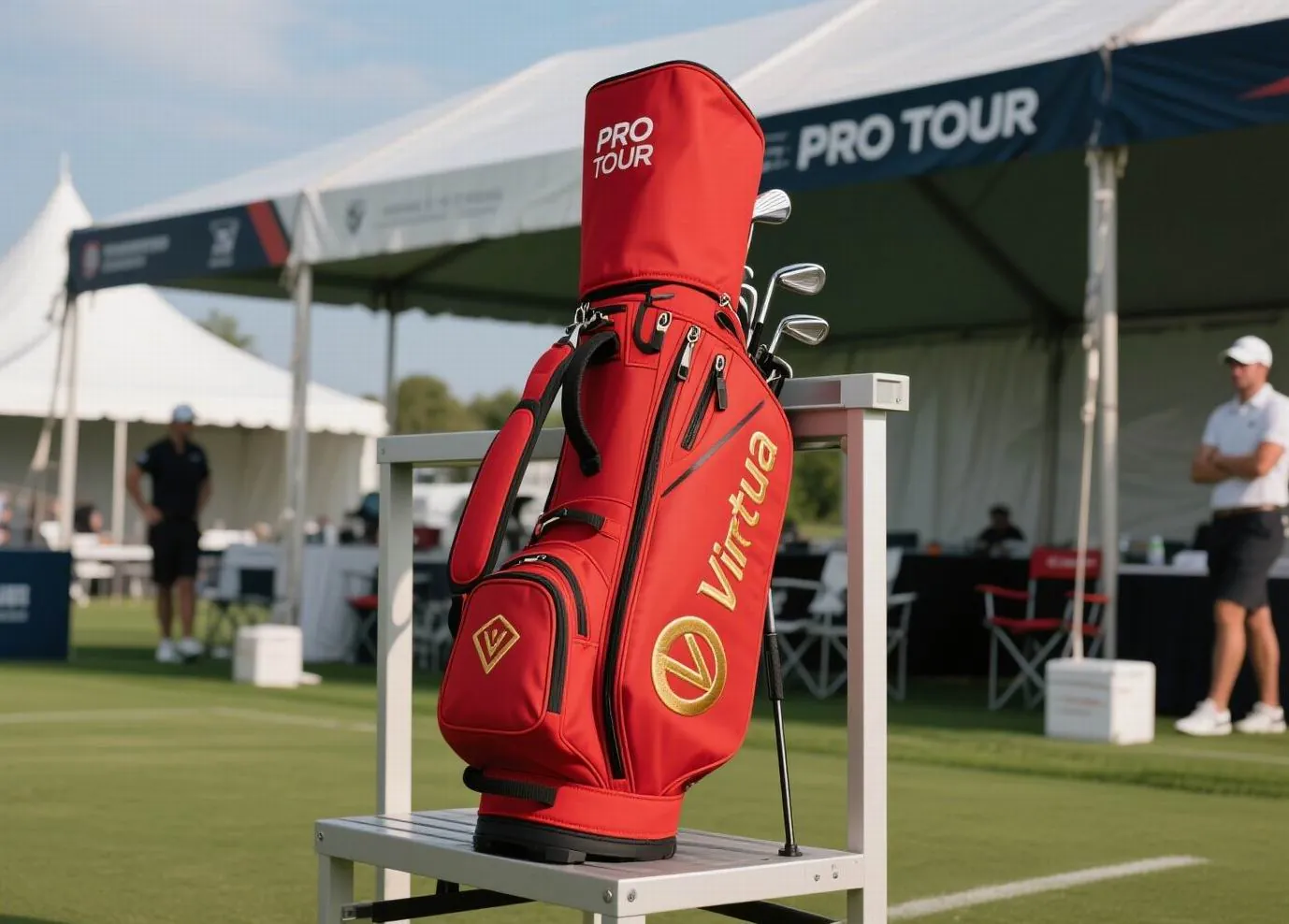
A golf ice bag keeps drinks cold by slowing heat transfer on three fronts at once: a foam insulation core resists conduction through the walls, a reflective liner blocks radiant heat, and a tight zipper limits warm-air exchange—together delivering a dependable 4-8 hours of chill on the course. But the bag is only half the equation; how you pack it, where you place it and how often you open it decide whether that natural cold lasts until the 19th hole. This guide explains the physics in plain terms, then gives practical packing, placement and care habits that help every golfer get a genuinely cold drink from the first tee to the clubhouse.
Unlike a powered refrigerator, a golf ice bag has no moving parts. It is a thermal box that slows the passage of heat. Understanding the three ways heat sneaks in—conduction, radiation and convection—lets you use the bag far more effectively than simply tossing in drinks and hoping for the best.
The Three Ways Heat Gets In
Heat enters any cold container by three routes. Conduction is heat moving through the bag's walls and liner, which the insulation foam is built to resist. Radiation is heat beaming in from sunlight or warm surfaces, which a reflective liner sends back outward. Convection is warm air flowing in through the opening, which a sealed zipper and a quick-open habit control.
Each heat path needs its own defense. That is why a good golf ice bag is not a single material but a layered structure—an outer shell, an insulation core and a reflective or leakproof liner—with a zipper engineered to keep the air seal tight between openings.
The Anatomy of an Insulated Bag
Looking inside a quality bag reveals the design. The outer layer is a durable, water-repellent fabric that shrugs off damp ground and cart surfaces. Beneath it sits the insulation core, usually food-grade PE or EPE foam of 10-20 mm, chosen for how well it resists conduction while staying light. On the inside, a reflective or wipe-clean liner completes the seal.
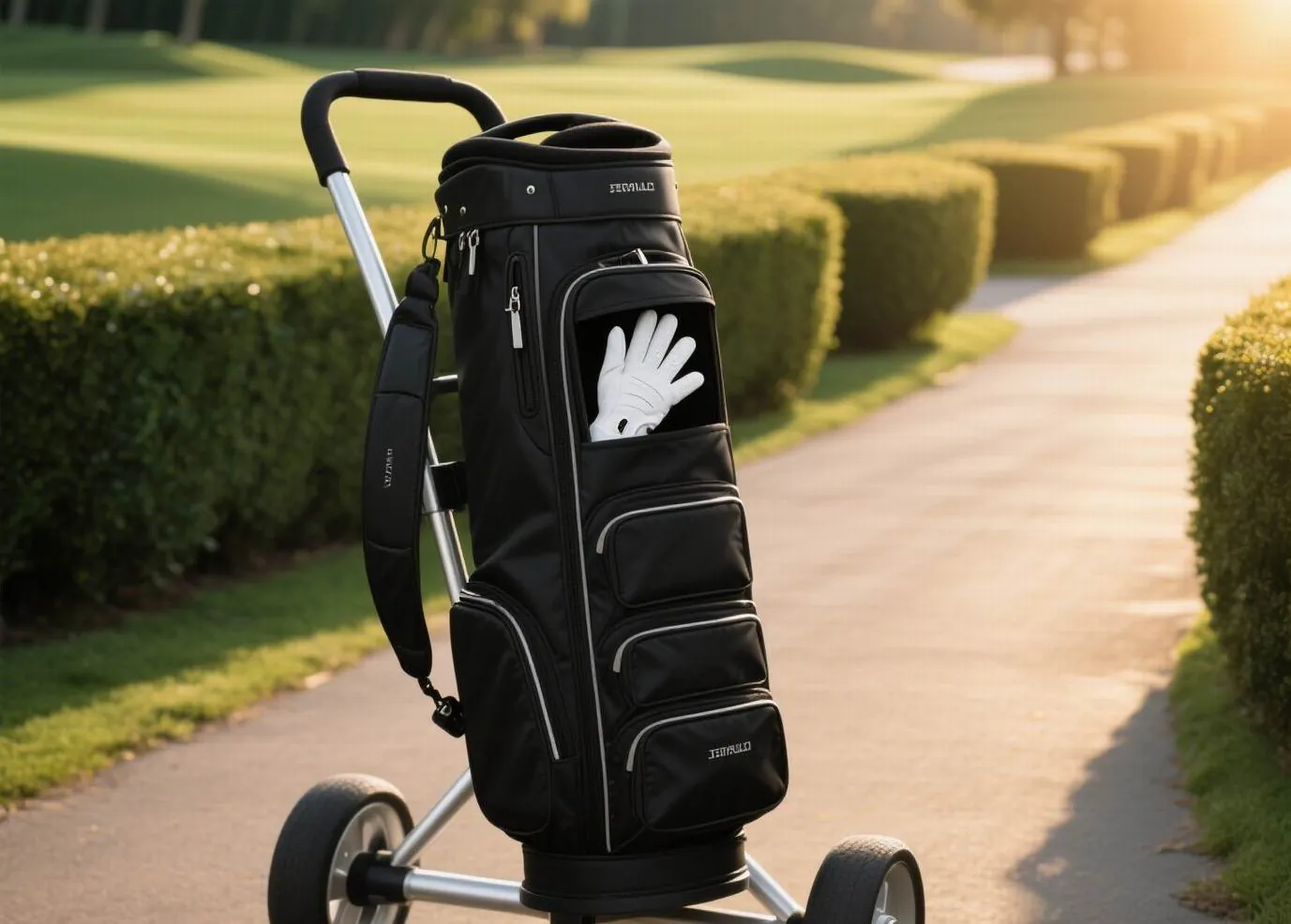
The thickness of the foam is the single biggest lever on retention. A thin promotional lining of 8-10 mm might manage a short period, while a 12-15 mm core covers the standard 4-6 hour day and a 15-20 mm core suits hotter climates or full-day events. Matching foam to your needs is the most important specification decision you will make.
Conduction: The Insulation Core in Action
Conduction is heat travelling through matter. In an uninsulated bag, warmth from the air and the cart would move straight through the wall to your drinks. The foam core slows this by trapping thousands of tiny air pockets, which are poor conductors of heat. The thicker and denser the foam, the slower heat pushes through.
This is why wall thickness matters so much and why a cheap bag with minimal padding disappoints. Every millimetre of good-quality foam extends the time before the contents warm up, so when a spec sheet lists insulation thickness, treat it as a direct promise about how long your drinks will stay cold.
For a rough benchmark: a lightly padded bag of around 8-10 mm may keep drinks cold for a couple of hours in summer, while a 12-15 mm build comfortably reaches the 4-6 hour mark and a 15-20 mm upgrade can push toward the full day. Use these landmarks to shop or spec with a clear expectation.
Radiation: Why the Reflective Liner Helps
Radiation is heat moving as infrared energy, especially from direct sunlight. A plain black or dark liner absorbs that energy and warms the contents. A silvered or reflective liner does the opposite—it turns a large share of that radiant heat back outward before it reaches your drinks.
On a bright summer course, a reflective liner combined with shade can stretch cold retention noticeably. It is a passive, inexpensive design feature that pays off every minute your bag sits in the sun between shots, which is why it is common on better-performing golf cooler bags.
Reflectiveness is not only about the liner colour but also the layer directly behind it. Some designs add a metallised foil or a radiant barrier between the foam and liner, which further cuts the radiative heat load. When you compare bags, ask whether the liner is reflective or merely lightly coloured, because the difference is real on a full day in the sun.
Convection: The Zipper and How You Use It
Convection is warm air flowing into the bag. Every time you open the zipper, a pocket of warm air enters and some cold escapes. A quality zipper that seals tightly between opens limits this, but your habits matter just as much: open quickly, grab what you need, and close promptly rather than leaving the bag agape while you chat.
For group sharing, keep the bag's mouth small and teach teammates to zip up after use. Over a full round those single quick-open habits compound, and a bag that is kept sealed earns noticeably longer cold than one that is left open in the sun between players.
For serious players, the zipper quality deserves real attention. A heavy-duty, weather-resistant zipper holds its seal far longer than a flimsy one, and it does not pop open under the weight of a full load when the bag is moved. This is one of the first places a cheaper bag visibly fails, so it is worth specifying a sturdy zipper on any custom build.
The same careful thinking applies to hardware placement. A zipper that runs smoothly around a curve, a seal that stays aligned under load, and a top opening that closes with a satisfying click are the differences between a bag you use happily and one you fight with. These are exactly the qualities a factory can refine for you in a custom run.
Spec Table: What Each Layer Does
The table summarizes the parts of a golf ice bag and how each one keeps drinks cold.
| Layer / Element | Role | How It Keeps Drinks Cold |
|---|---|---|
| Outer fabric | Protects the bag | Water-repellent shell cuts ambient heat and wear |
| Insulation foam | Blocks conduction | PE/EPE foam resists heat moving through walls |
| Reflective liner | Blocks radiation | Silvered inner face turns radiative heat back out |
| Zipper | Seals the opening | Reduces warm-air exchange when closed |
| Layers of foam | Tune the retention | 12-15 mm typical, 15-20 mm for hot climates |
Packing Order: Ice First, Pre-Chilled Drinks Against It
How you pack matters as much as the materials. Start with a solid base layer of ice, then place pre-chilled drinks standing against it so more of each can is in contact with ice, and fill the gaps with more ice between cans. This maximizes the surface area doing the cooling and minimizes pockets of warm air.
- Pre-chill everything: cold drinks and a cold bag start far ahead of room-temperature ones.
- Layer ice at the bottom: it cools from below and keeps the melt pooled at a drain point.
- Stand cans against the ice: more contact means faster and longer cooling.
- Top up between cans: small gaps of ice beat large gaps of warm air.
- Leave room for a lid: a full bag opens less and exchanges less air.
Pre-cooling the empty bag in a refrigerator overnight is a pro trick that adds meaningful cold life. An already-cold bag does not waste energy chilling its own walls, so every degree of starting temperature helps.
The same logic applies mid-round. If you keep a spare gel pack or a bag of ice in the freezer, dropping it in at the halfway house refreshes the cold without adding melt. A little planning turns a cooling curve that fades into one that is topped up exactly where it matters most.
Consider also keeping a separate small bottle with cold water tucked beside the drinks. That way, when you need an extra icy sip, you can reach a dedicated bottle without opening the main compartment and letting the warm air in, preserving the cold for the rest of the group for longer.
Ice Type: Cubes, Blocks or Packs
The form of ice changes how long it lasts. Crushed ice chills fast but melts quickly. Cubes last longer and are easier to pack around cans.
A useful packing order is gel pack at the base, a layer of cans, then a top layer of ice cubes poured over and around the gaps. Pouring the cubes in last both chills the drinks and fills the air pockets, which is the single most effective way to stretch the cold.
Large blocks melt slowest and suit full-day trips, while reusable gel or PCM packs add sustained cold without the mess of melting water. Each form has a trade-off between how fast it chills and how long it lasts, so a small mix often beats a single type.PCM packs in particular hold a nearly constant temperature as they change phase, which makes them excellent at keeping drinks at a steady serving temperature for the longest part of the round rather than swinging from too cold to lukewarm.
Many players combine approaches: a block or gel pack at the bottom for consistent cold, cubes packed around drinks for immediate chill, and a sealed bag to keep melt contained. The mix you choose should match how long you need the cold and how much weight you are prepared to carry. Whichever you pick, always plan to catch and drain the melt so it never soaks the liner or the cart.
Placement: Shade and Cart Position Matter
Where the bag sits is part of the system. Keep it shaded under a bag stand, in a cart's shadow or under a towel when parked, because direct sun adds radiant heat that the insulation must fight. A sunlit bag on a black cart top loses cold far faster than one tucked in shade.
On the cart, place the bag where it stays protected and out of the warmest spots, and keep it away from hot engine areas or dark metal panels that store heat. Small placement choices multiply the effect of every other feature and cost nothing to apply.
When parking between holes, even a five-second adjustment to tuck the bag into shade pays off across an entire round. Over several hours, direct sun can measurably shorten cold life, so treating shade as part of your routine is one of the highest-leverage, lowest-effort changes you can make to the system.
Habits That Extend Cold for a Full Round
Retention is won in the details. Open the bag quickly and close it fully, take drinks from the top rather than digging and stirring up warm air, and avoid leaving the bag in direct sun between holes. A shared group bag lasts longer when everyone treats the zipper as precious.
- Close the zipper completely after every grab.
- Take drinks from the top so warm air does not get pushed into the bottom.
- Spot the bag in shade whenever you park.
- Keep a small bag of ice or a gel pack to top up at the halfway house.
- Photograph retention on a normal day to learn your bag's honest range.
When to Upgrade: Climate, Round Length and Groups
If you play in a hot climate, walk a slow four-and-a-half-hour round under midday sun, or share one bag with a foursome, the standard 12-15 mm build may not be enough. Upgrade the foam to 15-20 mm, add a reflective liner and a leakproof seal, and choose a larger capacity so the ice-to-drink ratio stays favourable.
For a custom build, a factory can tune these features together: insulation thickness, liner type, zipper quality and capacity. That is why our golf cooler bags support specification choices, and why the insulated options page helps you match a build to your climate.
Caring for the Bag to Keep It Working
A bag that stays cold is a bag that is looked after. Rinse the liner after a humid round, dry it fully before storage to prevent mold, and store it partly open so the interior breathes. Check the zipper and seams seasonally, and replace a bag whose foam has softened or liner torn, because a damaged seal quietly cancels every advantage.
If you notice the bag sweating on its outer fabric or smelling musty, act on both: the moisture usually means the liner seal is failing, and the smell means trapped damp is breeding mold. Early care and a timely refresh keep the bag a joy to use rather than a reason for an early replacement.
Schedule the care as a small ritual—after a humid round, before the first big summer outing and once more before storage in autumn—so the honest 4-8 hour performance holds season after season.
Keep the instruction card or a simple care reminder tucked in the bag so the habit survives between seasons.
A well-maintained bag also presents well on the course and holds a better resale or hand-me-down value. The small routines that preserve a cooler cost minutes a season but keep the honest 4-8 hour performance intact for years, which is the real economy of good care.
Keep the bag out of direct sun when stored and avoid folding it with a wet liner sandwiched inside. These simple habits protect the insulation and liner so the bag keeps its honest 4-8 hour capability for many seasons rather than degrading after a single humid summer.
Realistic Expectations and Honest Claims
The most valuable habit is honesty about performance. Most well-built golf ice bags deliver 4-8 hours in reasonable conditions, and asking for more risks disappointment. When brands or factories quote retention, they should state the conditions, because ambient heat, opening frequency and ice volume all change the answer.
Another variable that rarely gets credit is how the bag sits in relation to the cart and the sun. Because the course changes constantly, treat retention as a range to manage actively: note what kind of round you have planned, and adjust the ice-to-drink ratio and placement accordingly rather than expecting every outing to match a single printed figure.
Some buyers assume a thicker bag is always better, but heavier insulation is a trade-off against weight and payload. On the course, a bag that is too heavy is a chore and discourages use, so the right answer is the thinnest reliable insulation for your conditions, not simply the thickest.
Set your expectations to the top of a realistic range by using pre-chilled drinks, generous ice and good habits, and you will consistently enjoy a cold drink late in the round. That is far more satisfying than chasing an exaggerated number that the bag cannot honestly deliver.
Building a Golf Ice Bag That Actually Stays Cold?
Tell us your climate, typical round length and how many share the bag, and we will recommend insulation thickness, liner and capacity, then return a spec sheet, sample plan and bulk quote.
Get a Cold-Performance Spec →Frequently Asked Questions
- How does a golf ice bag keep drinks cold without power?
- A golf ice bag works by slowing heat transfer: an insulating foam layer resists conduction, a thermal-reflective liner blocks radiant heat, and a sealed zipper limits airflow. Packing drinks against ice and minimizing how often the bag is opened stretches that natural cold for the typical 4-8 hour round.
- What is the best way to pack a golf ice bag for maximum cold?
- Add a generous layer of ice at the bottom, place pre-chilled drinks against it so more surface touches ice, top up with ice between cans, and open the bag only when needed. The more contact drinks have with ice and the less warm air admitted, the longer the bag stays cold.
- How long will drinks stay cold in a golf ice bag?
- Plan on 4-8 hours in typical summer conditions. Exact retention depends on insulation thickness, ambient temperature, how often the bag is opened and the ice-to-drink ratio. Pre-chilled drinks and a full ice layer extend toward the top of that range.
- Should I keep the bag in the shade on the course?
- Yes. Sunlight adds radiant heat that works against the insulation, so keeping the bag shaded on a cart or under the bag stand helps. Combined with a reflective liner, shade is one of the cheapest ways to stretch the bag's cold life.
- Does the bag need to be leakproof?
- Yes. A leakproof, wipe-clean liner protects your cart, trunk and shoes from ice melt and condensation, and it keeps the insulation dry so it continues to perform. Always confirm the liner is sealed when you buy or order a custom bag.
- Can I improve retention with a better liner or thicker insulation?
- Yes. Upgrading from an 8-10 mm to a 12-15 mm or 15-20 mm foam core, and choosing a thermal-reflective liner, measurably extends retention. A factory can build either into a custom golf ice bag to match your climate and the length of your round.
A golf ice bag keeps drinks cold by design—foam insulation blocks conduction, a reflective liner resists radiant heat and a sealed zipper limits airflow—delivering a dependable 4-8 hour chill. Packing pre-chilled drinks against generous ice, shading the bag and opening it quickly multiply that performance. With realistic expectations and simple habits, your bag will keep a cold drink ready from the first tee to the long walk home.
For custom builds and specification help, explore our golf cooler bags range, the OEM/ODM process guide, or contact the team at service@junyuanbags.com or +86 17750020688.