Golf Ice Bag vs Regular Cooler: Which Works Better?
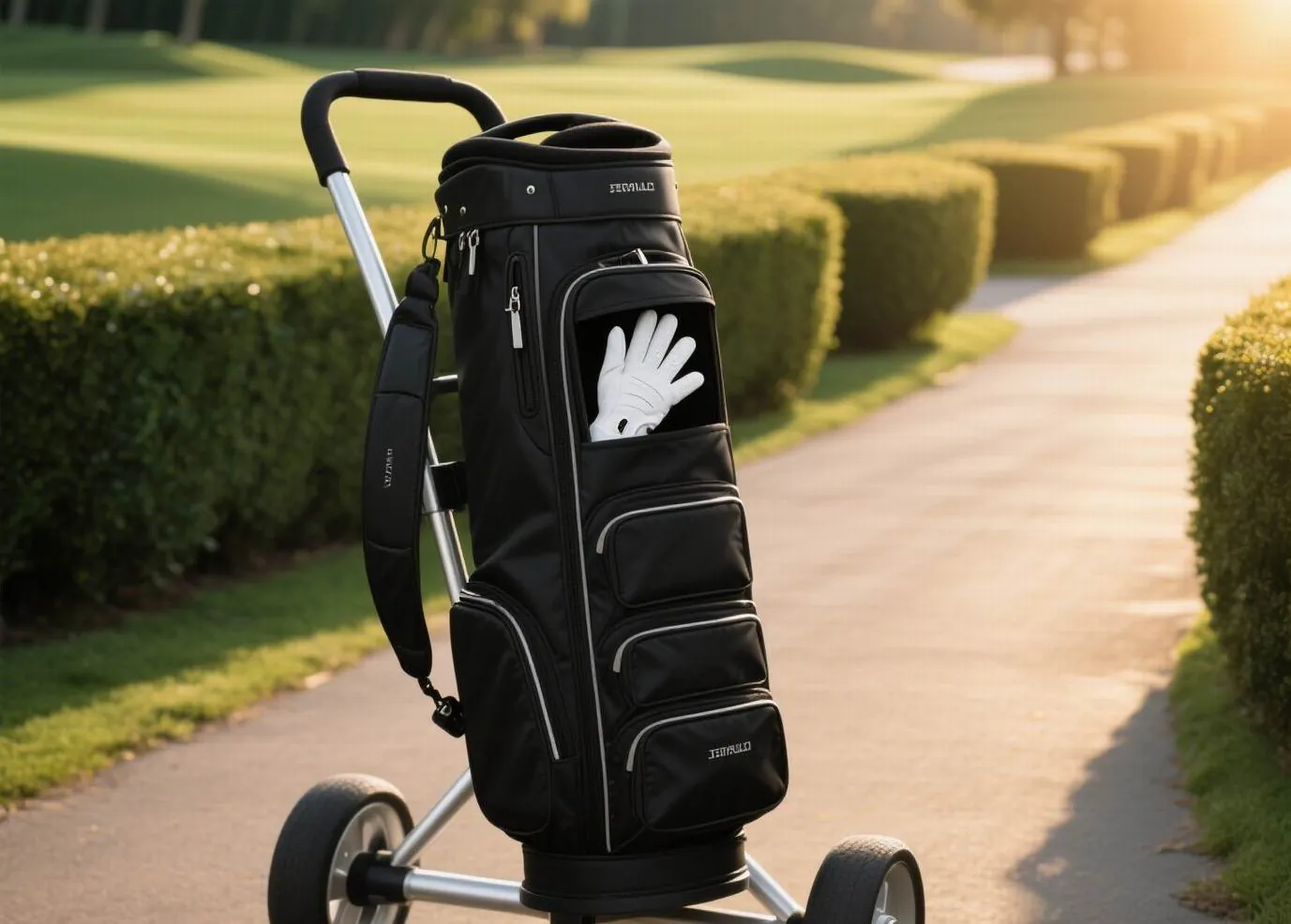
For on-course hydration the golf ice bag is almost always the better choice: it is lighter, easier to mount on a cart, quicker to access between shots, and cheaper per liter than a regular hard cooler, while retaining cold for a dependable 4-8 hour round versus a hard cooler's longer stationary shelf life. The comparison is not about which device is more impressive, but which fits the way you actually move around eighteen holes. This guide sets both against the same test—capacity, weight, cart fit, access, retention, durability and price—so you can choose the right tool for your game and know exactly what a factory-built golf cooler delivers.
Both products keep drinks cold, yet they are built for different lives. A hard cooler survives a family beach trip and holds ice out of the sun for a very long time. A golf ice bag is designed for the specific demands of a moving round: to sit on a cart without tipping, to be reached quickly, and to be carried without wrecking your shoulder. Understanding that starting point makes the rest of the comparison obvious.
Why the Golf Ice Bag Fits On-Course Life
The defining feature of a golf ice bag is how easily it lives on a cart. Purpose-built straps and a stable base keep it from swinging into your clubs or your line, and a short, wide mouth gives quick access without bending low. Because a round is a series of short stops, easy access matters more than raw volume.
Walkers and push-cart golfers benefit most. A soft bag is light enough to lift between the parking lot, the bag stand and the cart, and it does not punish your arms the way a hard box of ice does. For these players the golf ice bag is not simply nicer—it is the practical choice for a full day outside.
A lighter cooler also guards the quality of your round. Walking golfers who wrestle a heavy box through eighteen holes can feel the fatigue in their shoulders and swing late in the round, so the soft bag's weight advantage is not just comfort, it is a subtle performance ally for the last few holes.
Think too about the many short breaks of a round. Between tee shots, on the walk to the green and at the halfway house, golfers set the bag down and pick it up constantly. A soft bag settles without clattering, lifts without straining, and returns to the cart in a smooth motion that hard boxes rarely match.
Comparing Weight and Portability
Weight is where the soft bag runs away with the argument. Soft-sided foam and fabric weigh a fraction of rigid plastic or steel, so an empty golf ice bag is comfortable to manage and a full one remains carryable for short hops. Hard coolers win on bomb-proof rigidity but pay for it in every lift and every step.
Portability is not only about total weight, but balance and storage. A golf ice bag stores flatter when empty, sliding into a trunk or closet without owning space all year. A hard cooler is a permanent box that demands room even when it is empty, which is a real downside for golfers with tight garages or carts.
Travel is another story. A soft bag squeezes into a trunk corner, a boot or a travel case far more easily than a rigid cooler, which makes it a natural companion on golf trips, clinics and team outings where space is always at a premium.
Balance also differs once loaded. A soft bag keeps its center of gravity low and close, while a tall hard cooler can feel top-heavy on a cart. The bag sits where you set it and stays put through sharp turns, which is a quiet comfort you notice most on a busy back nine.
Access Between Shots Favors the Bag
During a round you open the cooler constantly—after a drive, between holes, on the turn. A ladle or latch lid on a hard cooler forces two hands and a careful lift every single time. A zip-open fabric bag delivers a smoothly coordinated grab that does not break your rhythm or make you fumble.
This convenience compounds over eighteen holes. Dozens of quick, low-friction openings keep players hydrated without pulling focus from the game, and they make a shared group bag genuinely pleasant to use. On the course, the gentler access of a soft bag is a daily comfort that is easy to underestimate on paper.
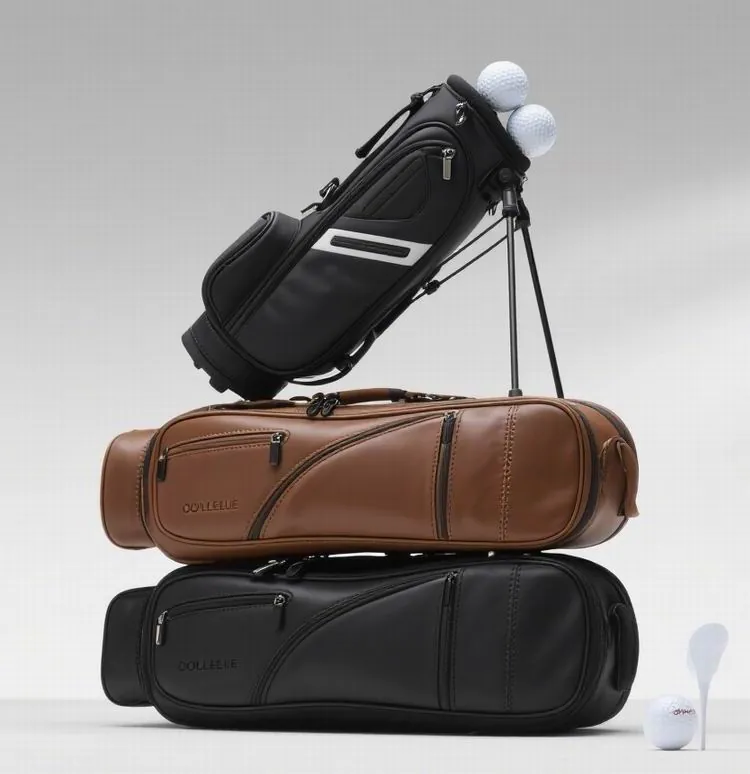
When the group shares one bag, quick access also keeps the line moving. Nobody waits while a thirsty player wrestles a latch lid, and the whole foursome stays hydrated with barely a pause, which keeps the social pace of the round relaxed and easy.
This matters even more on hot mornings when hydration is a genuine safety and performance concern. A cooler that is easy to open encourages everyone to drink regularly, which is the quiet, important job an on-course ice bag performs better than almost any other design.
Cold Retention: Honest Numbers on Both Sides
Let us be fair to both. A good hard cooler, left sealed out of the sun, can keep ice for twenty-four hours or more because thick, rigid walls and a tight gasket slow heat transfer superbly. A golf ice bag, built light for the course, realistically holds cold for around 4-8 hours in typical summer conditions.
Those numbers only matter in context. A round lasts around four to five hours; a typical day on the course spans well within the bag's 4-8 hour envelope. Unless you need to keep drinks cold all weekend, the hard cooler's longer shelf life buys you nothing you will use, while the bag's lightness and access keep paying every round. State retention honestly, choose what you need, and over-deliver on a sensible claim.
If a full-day chill is critical, some soft bags now add a thermal-reflective liner or a removable ice-pack channel that lifts retention toward the top of the range without the weight of a hard shell, bridging the two designs for the most demanding players.
Durraty: Different Kinds of Toughness
Hard coolers resist crushing and blunt impact; a baseball-bat swing or a hard drop will bounce off thick plastic and leave the contents safe. Golf ice bags answer with resilience of another kind: they absorb knocks, flex over bumps, and live in a trunk year-round without cracking. Neither is strictly better—they are tough in different directions.
A reality check on weight again: after the cooler is fully loaded, the soft bag's advantage narrows but does not vanish. The strap geometry carries the load closer to your body, so even a heavy soft bag feels more controlled than a hard box gripped under one arm, especially across the repeated short lifts of a round.
For the daily realities of golf, a quality soft bag handles carts, storage heat, sun and repeated opens for years with simple care, and its seams and zippers are the parts to keep an eye on. If you plan to use it as a rugged tailgate cooler too, a hard option may be justified; if it lives on the cart, the soft bag's bad-weather friendliness wins.
Price and Economy
Soft-sided bags cost less per liter because they use less rigid material and simpler molds. That makes the golf ice bag the economical route to reliable course cooling, and it is the reason most branded, give-away or resale cooler programs default to a soft bag.
Custom runs also favour the bag for speed. Printing, embroidery and patch application on fabric are quick and flexible, so a branded program can approve artwork, produce a sample and deliver a fleet faster than a hard-shell program that relies on molding, which keeps event and launch timelines intact.
A hard cooler tends to command a premium for engineering you may not use.There is also a hidden economy: a soft bag is easier to brand with embroidery, printing, silicone patches and zipper pulls, so a custom run keeps costs low while still looking premium. For teams, clubs and sponsors who need an affordable, impactful gift, the golf ice bag consistently delivers more value per dollar.
Spec Table: The Direct Comparison
The table below summarizes the head-to-head so you can scan the trade-offs at a glance.
| Criterion | Golf Ice Bag | Regular Hard Cooler |
|---|---|---|
| Weight | Light, soft-sided | Heavier, rigid walls |
| Cart mounting | Built-in straps, easy | Rotomolded cooler, awkward |
| Access on course | Quick zip opening | Latch and lid, slower |
| General cold retention | 4-8 hours typical | Up to 24+ hours stationary |
| Portability | Carry or strap | Handle/lift heavy |
| Storage when empty | Collapses fairly flat | Permanent box |
| Typical cost per liter | Lower | Higher |
Scan the row that matters most to you—access, weight or price—and make the call. Most players find the soft bag wins three or four rows that count.
When a Hard Cooler Still Makes Sense
Before you write off the hard cooler, note the cases where it wins. If a park barbecue, camping trip or boating day is the main job and golf is secondary, a hard cooler's shelf life and crush-proof body are genuinely valuable. Families that pack a cooler for a full day at an outdoor event, away from a cart, benefit from the longer hold.
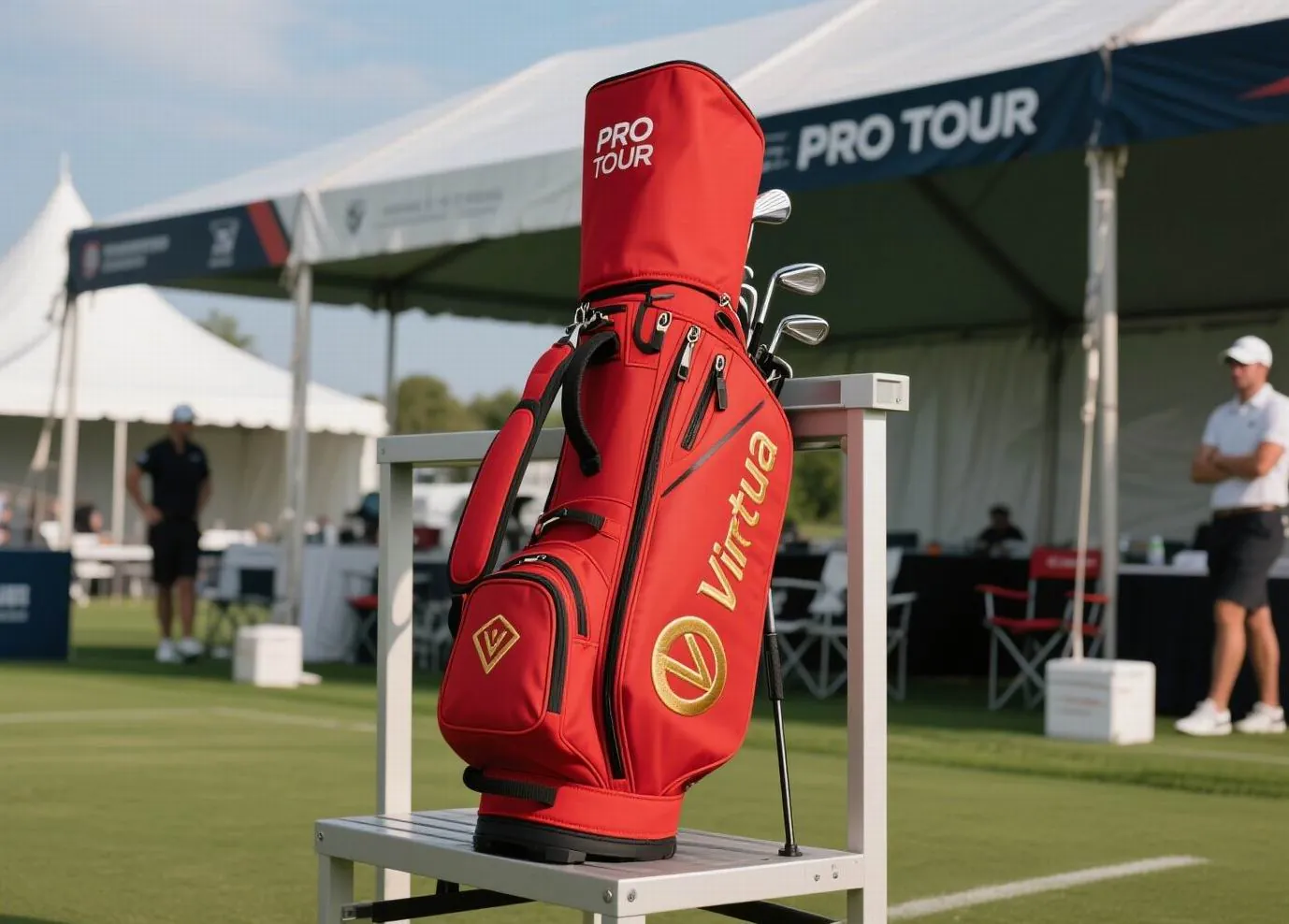
Tournament organizers who run long, multi-round events outdoors might also prefer a hard cooler that does not need constant ice top-ups, even if it is heavier to move between stations. In these use cases the trade-off flips, and the extra weight is justified by uninterrupted cold.
When the Golf Ice Bag Clearly Wins
For anything centered on the course—ride carts, push carts, walking, group play, corporate events and giveaways—the golf ice bag is the right tool. Its lightness, straps, access and price all align with how golfers actually drink during a round, and its soft body travels comfortably from car to clubhouse to cart.
For a majority of golfers, that combination is the deciding factor: you are buying a cooler primarily to serve the course, not the campsite, so choose the form that serves the course best, and keep the hard-shell option in your back pocket for the rare long picnic.
If you mostly play golf and occasionally tailgate, a soft bag with a reinforced base handles both well enough. Most players therefore land on the bag as their everyday hydration, keeping a hard cooler only for dedicated off-course camping or beach days.
Choosing by How You Play
- Ride a cart: a strap-friendly golf ice bag is quick to mount and access.
- Walk with a push cart: the lighter soft bag is far kinder to lift repeatedly.
- Play socially in a foursome: a 13-18 liter shared bag beats a box for group access.
- Camp or tailgate too: consider a hard cooler as a second, off-course unit.
- Need a budget branded gift: the soft bag keeps per-unit cost and lead time low.
What to Look For in a Golf Ice Bag
If you choose the bag, spend on the parts that matter: a leakproof liner, a smooth zipper, sufficient insulation and sturdy straps. At our factory a dependable spec is a food-grade PE foam of 12-15 mm, a wipe-clean liner, a 600D ripstop shell with a water-repellent coating and YKK-style zippers. That combination delivers the honest 4-8 hour retention without adding needless weight.
Add features to your routine—a valuables pocket for group play, a drainage pocket for condensation, a reinforced base for cart life. A well-chosen size and these small details turn a functional cooler into the piece you reach for every warm round.
Even small touches lift the experience: a bottle-securing pocket, an angled zipper you can open one-handed, and a loop for a glove or towel. These are the features golfers praise out loud, and they are exactly the details a good factory builds into a custom run from the first sample.
Because a golf ice bag is such an everyday, tactile product, the small design choices you make—how the strap feels, how fast the zip opens, where the bottle pocket sits—determine whether players actually reach for it round after round. That is the real advantage of a tailored build over a generic box.
Custom Options and Sourcing Both Types
If you want a tailored cooler or a branded run, a factory can build either form. Our standard offering starts at a 200-unit MOQ with a 100-unit test tier, completes sampling in 10-20 days and bulk in 45-60 days, and supports 200+ brands across 100+ countries. The 4,950 m² affiliated factory runs 7 lines with 126 sewing machines and 137 staff, producing up to 200,000 units a month, and passed an SGS factory audit in 2026-03.
Review our golf cooler bags range and insulated options for build choices, or our OEM/ODM services page to understand how a brand brief becomes a production bag. For volume and logistics on a fleet, the wholesale ordering section is the place to start.
Care Differences Between the Two
Maintenance differs by type. A hard cooler needs only an occasional rinse and a dry wipe, though sun and chemical cleaners can dull it over time. A soft bag asks for slightly more attention: rinse the liner after a humid round, dry it fully before storage and store it partly open so the lining breathes and stays free of mold.
For both, check zippers or gaskets seasonally and store out of direct sun when possible.
If the bag doubles for both course and tailgate duty, rinse the liner between uses and let it dry before the next round. Cross-contamination of smells or sticky residue is easy to avoid with a quick rinse, and it keeps the bag pleasant to share on every outing.
These small habits protect the investment and keep drinks cold when you need them, for whichever cooler you choose.Decided on a Golf Ice Bag for Your Crew?
Tell us your typical number of players, cart or carry routine, and branding needs, and we will return a spec sheet, sample plan and bulk quote. We support individual golfers, clubs and brands worldwide.
Get a Build and Quote →A Buyer’s Decision Rule for On-Course Cooling
There is no single right answer between a golf ice bag and a regular hard cooler; the right choice depends on how you actually use the item on the course. Choose the golf ice bag when access between shots matters: the soft, top-open design sits on the cart, lets you grab a can without stopping, and stows flat when empty. Choose a regular hard cooler when you need to keep drinks cold for hours in extreme heat or when you are walking a long course without a cart. Most regular golfers find the hybrid answer best: a soft ice bag for the round and a small hard cooler in the trunk for the drive home and the tailgate. Insulation thickness, zipper quality and the capacity of the liner decide how much of that convenience you genuinely experience.
Frequently Asked Questions
- Can a regular cooler replace a golf ice bag on the course?
- A regular cooler can carry cold drinks, but it is usually boxier, heavier, harder to mount on a ride or push cart, and slower to access between shots. Most golfers find a purpose-built golf ice bag easier to live with on the course, even if a hard cooler retains cold longer at the picnic table.
- Do golf ice bags retain cold as well as hard coolers?
- Not always equally at everything. A hard cooler with thick, rigid walls and a tight gasket can retain colder temperatures for longer in stationary use. A golf ice bag is softer and lighter, and holds cold for a dependable 4-8 hours in typical conditions, which covers most rounds, at the cost of shorter peak retention and easier portability.
- Which is lighter, a golf ice bag or a regular cooler?
- A golf ice bag is generally lighter because soft-sided insulation and fabric weigh less than rigid plastic or steel walls. This makes the bag easier to lift between cart and tee and easier to store when not in use, which is why walkers and push-cart players often favor the bag.
- Are golf ice bags waterproof?
- Quality golf ice bags use a leakproof internal liner and water-resistant outer fabric, so ice melt and condensation are managed inside. They are not fully submersible like many hard coolers, but they reliably keep your cart and trunk dry during a normal round.
- Which option is more affordable?
- Golf ice bags are usually the more affordable route to reliable cold for the course, because soft-sided construction uses less rigid material. Hard coolers tend to cost more per liter. For a branded or give-away cooler, an ice bag also stays within a promotional budget much more easily.
- Is a soft golf ice bag as durable as a hard cooler?
- A different kind of durable. Hard coolers resist impact and crushing but crack and dent; a well-made soft bag absorbs knocks, lives comfortably in a trunk and survives years of carts and storage with simple care. Choose based on whether you need bounce resistance or carry comfort.
The golf ice bag versus regular cooler question comes down to context. On the course, the soft bag's lightness, cart-friendly straps, quick access and lower cost make it the better everyday hydration tool, delivering a dependable 4-8 hour chill. Off the course, where stationary cold retention and crush-proof rigidity reign, a hard cooler holds its own. Match the tool to the activity, and you will be satisfied with either.
Many experienced players ultimately own both: a soft bag for the everyday round and a hard cooler tucked away for the occasional long outing. But if you buy only one and it is mostly for golf, the evidence points firmly to the golf ice bag as the better all-round companion.
For a full cooler catalog and custom options, browse our golf cooler bags range or the golf bag types guide, and reach the team at service@junyuanbags.com or +86 17750020688.
Whichever you pick, buy on the criteria that match your routine and spend on the parts that matter most: a honest retention claim, a leakproof liner, and a carrier that is genuinely comfortable to use all round.