Best Insulated Golf Ice Bag Options for Hot Climates

The best insulated golf ice bags for hot climates keep drinks and ice cold for 8-12 hours using thick closed-cell insulation in both walls and lid (often 15-20 mm), a sealed leak-proof interior, a heat-resistant or reflective outer shell, and a tight closure. In scorching conditions these features matter more than anywhere else, because a bag that merely looks insulated will lose its cold by the back nine. This guide, written from the factory floor of QUANZHOU JUNYUAN BAGS (founded 2014, 200+ brands, 100+ countries), details what to look for and how to source ice bags that genuinely perform in heat.
Why Heat Changes the Equation
A golf ice bag faces a fight against time and temperature in hot climates. Ambient air at 35°C and a sunlit cart push heat into the bag from every side, so retention in heat depends on both resisting that inflow and holding the cold already inside. The physics favors thickness: insulation performance scales with thickness, so hot-climate bags need beefier construction than a temperate-climate cooler. A lid that closes tightly and is insulated matters disproportionately because heat rises into the top.
The stakes are practical: a warm drink on the 15th hole in 38°C heat is a small misery, and a melted ice pack all but ruins a tournament day. Golfers in hot regions buy ice bags literally intending to rely on this, and resorts, ESPN zones and pro shops in warm markets stock them year-round. Understanding the physics lets you choose a bag that will actually deliver to the 19th hole, and we build hot-climate variants precisely around these principles.
Insulation: Thickness and Structure Win in Heat
Insulation decides performance. The gold standard for hot climates is high-density closed-cell foam, ideally 15-20 mm in the walls and lid. Closed-cell foam resists compression and moisture, so it insulates season after season rather than flattening and absorbing water. The lid must be insulated as heavily as the walls — a bag with a thin lid lets rising heat and ambient warmth undermine its walls in the sunniest scenario. Some premium ice bags add a heat-reflective or thermal layer inside the lid.
Because insulation is the whole job, buyers should demand a stated retention time under defined conditions, not a vague "stays cold" claim. We spec hot-climate ice bags with 18-20 mm wall/lid insulation and verify retention in a standard test with pre-chilled contents, minimal opening. Our insulation materials guide and cold retention guide detail the foam options and retention testing.
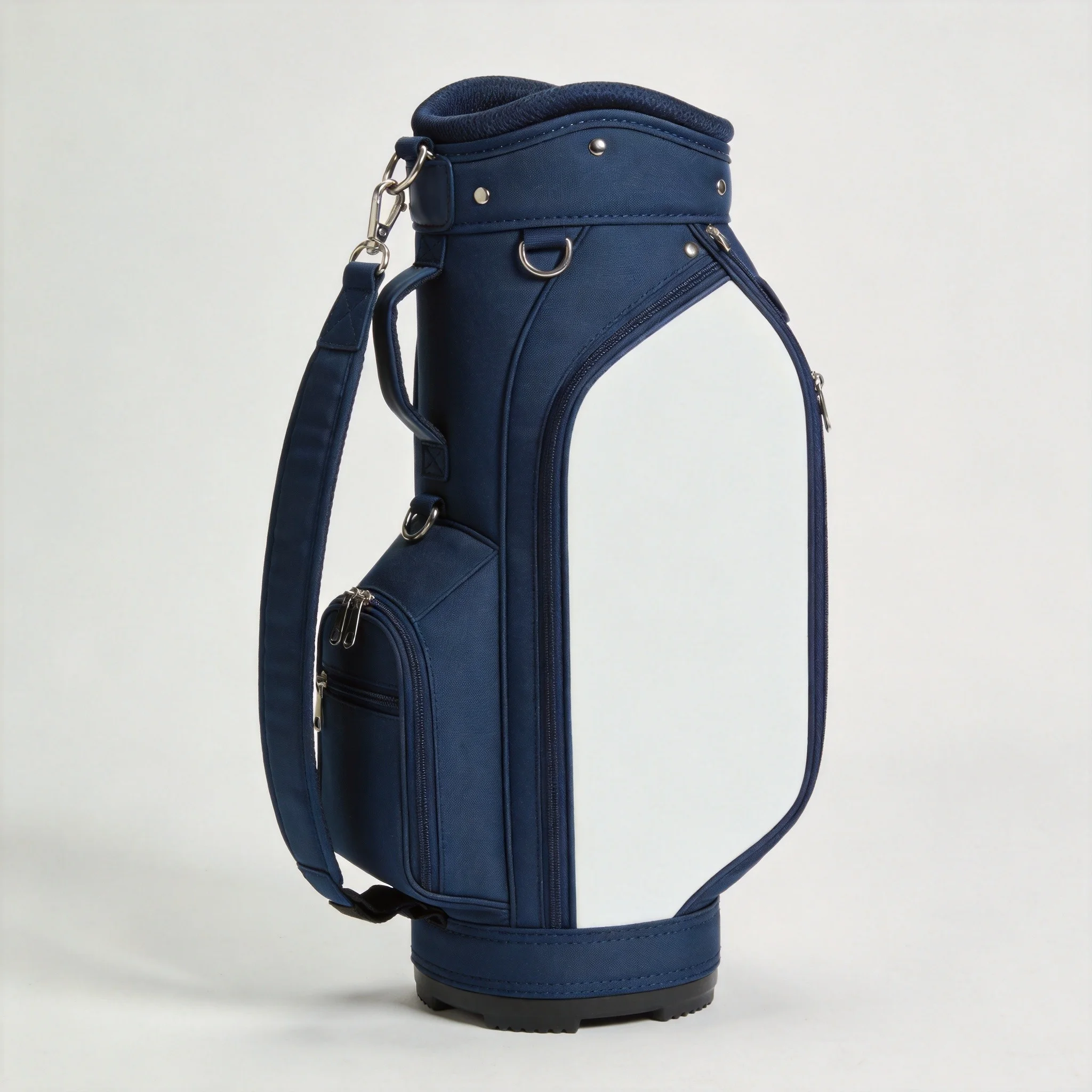
Leak-Proof and Sealed Interiors
An ice bag lives with melted ice and condensation, so a sealed interior is essential. The lining should be welded or fully sealed PE / coated nylon with sealed seams, containing liquid so it never soaks into the foam insulation — a soaked liner both stops insulating and starts smelling. "Leak-proof" is measured by an actual flood-seal test: the interior holds water without moisture reaching the shell. For hot climates, where ice is used heavily, this is non-negotiable.
We flood-test every hot-climate ice bag interior to confirm no moisture migrates to the insulation, and we choose linings that resist the repeated wet/dry cycles of high-ice use without delaminating. When you read a spec, look for "welded/sealed interior" plus evidence of leak testing, not just water-repellent marketing. Detailed guidance is in our leak-proof features guide and cleaning guide.
Heat-Resistant and Reflective Shells
In hot climates, what sits between a burning cart and your insulation matters. A heat-resistant, UV-stable shell — often with a reflective or light-colored outer layer that bounces solar radiation — reduces how much heat the bag absorbs, letting the insulation work more efficiently. A dark, thin shell in direct sun acts as a heat sponge and drains cold fast. Shells should also resist UV degradation, since a bag parked on a cart in tropical sun for a season will fade and grow brittle otherwise.
Good hot-climate ice bags pair a reflective or heat-resistant outer fabric with the thick insulation underneath, and a reinforced base to handle hot, wet ground. Colors and coatings serve a purpose here, not just looks. Our materials guide compares heat-resistant and reflective shell options, and the insulation materials guide covers the reflective liners used inside the lid.
Closure Design and Cold Retention
Closure is an overlooked lever in the heat. A zipper, when working, seals well; a roll-top or gusseted closure seals even tighter and avoids zipper failure with damp contents. In hot conditions a bag that is opened frequently bleeds cold, so a closure that stays shut and is quick to operate matters — golfers want easy access but not constant cold loss. A tight, well-sealing lid is one of the highest-value features for a hot-climate ice bag.
When evaluating, test the closure with the bag full and consider how often you reach in. If you will open it many times a round, a robust sealing closure that closes fully each time beats a flapping flap. For temperature management on course, our ice bag size guide and ice retention tips cover effective packing and use.
Comparison of Hot-Climate Ice Bag Options
| Option | Insulation | Retention (hot) | Best For | Shell |
|---|---|---|---|---|
| Standard insulated ice bag | 10-15 mm | 6-9 hr | Mild-to-warm climates | Water-repellent fabric |
| Hot-climate ice bag | 15-20 mm walls + lid | 8-12 hr | 30+C golf regions | Heat-resistant/reflective |
| Premium roll-top ice bag | 18-20 mm | 10-12 hr | All-day or group use in heat | Reinforced, heat-resistant |
Representative retention figures assume pre-chilled contents, quality closed-cell insulation and minimal opening in hot ambient conditions.
Capacity for Personal vs Group Play
Hot climates drive consumption, so capacity should be generous but matched to use. A personal hot-climate ice bag typically holds 12-20 cans (10-18 L) — enough for a long solo or pair round with heavy hydration. For a group, a 25-30+ can (20-25 L) bag or a bag with a large ice chamber keeps a foursome fed through a tournament day. Since warm weather leads to more drinks and more ice, err toward the upper end of your range without oversizing past your cart space.
Some golfers in heat want an ice bag with a dedicated large ice compartment and a separate dry zone so ice stays packed rather than melting against everything at once. This layout extends retention for full-day or group play and is worth seeking if you plan to rely on ice all day. For sizing logic, our ice bag size guide and the insulated cooler range show the capacity tiers.
Pre-Chill and Ice-Storage Best Practice
No ice bag creates cold alone; it merely holds what it is given. In hot climates the practice rules double: pre-chill the bag and contents before loading, and start with cold, not room-temperature, drinks plus ice or frozen packs. Warm drinks loaded into an insulated bag force the insulation to fight to cool them, wasting the ice budget; pre-chilled contents and frozen bottles keep everything cold far longer and reduce reliance on melting ice.
Use the right ice ratio: crushed ice chills fast, block or frozen-ice-packs last longer and melt slower — a key choice for a full day in 35°C heat. Keep the bag closed between holes and out of direct sun when possible; shade and a tight lid are effectively free extra insulation. Our ice retention techniques and temperature management guide detail the habits that make a good ice bag great in heat.
Sourcing Ice Bags for Hot-Climate Markets
Insulated ice bags are strong sellers to warm-climate regions, resorts, and tournament organizers, and a good fit for brands expanding into hydration/accessory cross-sells. Wholesale sourcing follows the standard model: a 200-piece MOQ per design and colorway, 100-piece test orders, sampling in 10-20 days, bulk production in 45-60 days. Hot-climate variants (thicker insulation, reflective shells, premium closures) cost a little more per unit than basic coolers, and that cost is worth it in the right market.
Because these bags often carry a pro-shop or resort logo, decoration quality and a clean branded panel matter commercially. Our OEM/ODM services and custom solutions manage branding workflow, and the cooler/ice bag lineup shows the construction tiers. The wholesale pricing guide breaks down cost levers: insulation thickness, shell type, closure and decoration.
Quality Control for Ice Bags
Hot-climate ice bags fail in specific ways: insulation that collapses, welds that delaminate under repeated wet/dry cycling, and shells that age under UV. At QUANZHOU JUNYUAN BAGS ice bags pass three-stage inspection plus hot-climate-specific checks — flood-seal leak testing, insulation thickness verification, retention validation against spec, closure-cycle and UV/stability checks on the shell. Our factory underwent independent SGS and Alibaba verification in 2026.
For a brand serving warm markets, insisting on retention and leak-test evidence from the supplier protects your reputation in the climate where the product is judged hardest. The audit questions and checklists we recommend are in our quality standards guide and manufacturer selection guide, and our heat performance guide dives deeper.
Caring for an Ice Bag in Hot Climates
After each hot-climate outing, empty the bag, wipe the interior dry with a mild cleaner, and leave it open to air before storing — a sealed damp bag is the fastest way to mildew an interior in tropical heat and humidity. Check the leak-proof interior seams on the schedule you use it and refresh the shell's water/heat protection when it thins. Store away from prolonged direct sun to protect UV-stability, and fluff/replace sagging insulation if the walls compress.
With light care, a good hot-climate ice bag serves many seasons. Our cooler care guide and heat performance guide cover the full maintenance routine for bagging longevity in hot conditions.
Seven Buying Rules for Hot-Climate Ice Bags
- Insulate thick and everywhere: 15-20 mm closed-cell foam in walls and lid is the hot-climate standard.
- Demand a sealed interior: welded seams that pass a flood-seal leak test.
- Use a heat-resistant/reflective shell: it reduces solar absorption so insulation works harder.
- Pre-chill contents and use frozen packs: insulation holds cold, it does not make it.
- Pick a tight, durable closure: a well-sealing lid prevents cold bleeding in the sun.
- Match capacity to heat consumption: err generous for groups and tournament days.
- Validate with a low-MOQ test order: confirm retention in your real climate before a larger run.
Finally, think about how the cooler earns its keep across a full season, not just one round. Insulation that holds ice to lunchtime will disappoint on a summer four-ball that stretches past six hours, so weigh hours-of-cold retention against interior volume honestly when you spec. A liner that accepts standard gel packs on one side and loose drinks on the other gives retailers a flexible selling point, while a stackable or strap-mount design lets players attach the cooler to stand or cart bags already in their set. Nail the retention-versus-capacity balance and you give your buyers a cooler that justifies its place on the bag every round, which in turn lifts reorder rates for the factory and keeps the line in production through the summer peak.
Frequently Asked Questions
- How long do insulated golf ice bags stay cold in hot weather?
- Quality bags keep contents cold for 8-12 hours in hot conditions when interiors are pre-chilled, insulation is thick (15-20 mm) and the bag is opened only when needed.
- What makes an ice bag work specifically in hot climates?
- Thick closed-cell insulation in walls and lid, a sealed leak-proof interior, a heat-resistant or reflective shell, and a tight closure. Pre-chilling contents and adding ice packs extends retention.
- Can I wholesale-source insulated golf ice bags?
- Yes. Standard MOQ is 200 pieces per colorway with 100-piece test orders, sampling in 10-20 days and bulk production in 45-60 days.
- Crushed ice or ice packs in a golf ice bag?
- Crushed ice chills fast but melts quicker; block ice or frozen ice packs last longer and melt slower — better for a full day in the heat.
- Are golf ice bags leak-proof?
- The best hot-climate ice bags are: a welded/sealed interior containing condensation and melted ice so moisture never reaches the insulation.
- What is the lead time for custom ice bags?
- Sampling typically takes 10-20 days; bulk production runs 45-60 days depending on insulation, shell and decoration.
- Do ice bags attach to carts?
- Yes, most have a handle, shoulder strap or cart loop. Confirm the size fits your cart basket or platform before buying.
Cart Mounting and Carrying in the Heat
In hot climates you want the ice bag close at hand all round, so how it moves matters. A secure cart mount — a sturdy handle, shoulder strap and a cart loop or hook — keeps the bag stable beside you on the cart instead of sliding or tipping onto the fairway. Balance matters with ice: a heavily loaded cooler is front-heavy, so a strap system that keeps the bag manageable when you do carry it, and a low centre of gravity that keeps it stable on the cart, are both useful in heat.
Where the bag sits is a temperature decision too: positioning it out of direct sun (in the cart's shade or under an umbrella) measurably reduces the heat load entering the shell and stretches cold. A bag with a wide, stable base and good strap options makes this positioning easy to manage between shots. Our portable ice bag mount guide and push cart compatibility guide cover the mounting options for carts and trolleys in detail.
Hydration and Tournament Use in Warm Climates
Beyond comfort, keeping cold drinks on course in heat is a genuine hydration and safety matter. Hot-climate play raises fluid needs substantially, and a functional ice bag lowers the barrier to hydrating regularly through the round. For tournament days in 35°C+ conditions, organizers and teams increasingly provide cold hydration at stations and in carts; a dependable ice bag that a player trusts keeps drinks palatable all day, which supports pacing and focus. Choosing an ice bag that stays truly cold is thus a health-adjacent choice, not just a convenience one.
Pair the ice bag with good heat-safety practice — pre-hydrate before you tee off, drink on a schedule rather than when thirsty, and keep ice packs ready. Public heat-safety guidance, such as the CDC's warm-weather guidance, reinforces why cold water on hand matters, and our ice bag size guide helps you carry enough for the heat. For course and tournament operators stocking ice bags, these are practical, responsible additions to a hot-climate operation.
Aesthetics and Branding for Warm-Market Coolers
An ice bag used all summer in hot markets is a highly visible, reusable item — exactly the surface resorts, clubs and sponsors want. Warm-climate resorts gift guests a branded cooler bag; tournament sponsors and corporate programs hand them out as premium, used-daily swag; pro shops sell them as high-margin sideline SKUs. Because they ride carts and go to the pool, the logo travels farther than almost any other golf accessory, and a heat-resistant shell keeps the branding from fading in strong sun.
Decoration durability is the key: UV-stable, colorfast print or embroidery that survives hot, wet outdoor use over a season. Because ice bags are often ordered as matched sets with other branded gear, a full program keeps a warm-market brand consistent. Our OEM/ODM services and custom solutions manage branded ice-bag programs, the wholesale section models multi-SKU warm-market runs, and the insulated cooler range shows the build tiers worth branding.
Comfort Features That Make Cold Easier
In the heat, small features make cold easier to preserve and use. An insulated lid you actually close between holes keeps cold in; a separate dry pocket or zipped liner keeps a phone, towel or keys off condensation; and an easy-access top opening keeps you from letting the whole bag air out every time you reach for a bottle. For groups, a bag with a defined ice chamber and a dry zone lets you reload ice without drenching the food, which is the difference between a tidy cooler and a soup by the back nine.
Insulated side handles, a stable base and a comfortable shoulder strap round out an ice bag that is pleasant to move from car to cart. These are not gimmicks; they directly reduce how often the cold escape route is opened and how much condensation you fight. When we design hot-climate ice bags, we spec these comfort elements as part of the build so the bag supports a long, hot day rather than undermining it. The feature set is detailed in our feature selection guide and the insulated cooler range.
Factory Verdict on Hot-Climate Ice Bags
From the production floor, the best insulated golf ice bags for hot climates are built around physics: thick closed-cell insulation in both walls and lid, a sealed leak-proof interior that survives heavy ice use, and a heat-resistant or reflective shell that keeps the sun from working against you. Backed by good pre-chill and ice habits, such a bag reliably keeps drinks cold from the first tee to the 19th hole — even when the mercury does not cooperate.
QUANZHOU JUNYUAN BAGS has manufactured insulated ice and cooler bags since founding in 2014, backed by a 200,000-piece monthly capacity and 7 production lines. Whether you need one reliable ice bag for your summer Saturdays or a branded program for a warm-climate market, reach us at contact, service@junyuanbags.com, or WhatsApp +86 17750020688.
Looking for a Reliable Manufacturing Partner?
From hot-climate ice bags and coolers to golf bags and travel covers, our team builds performance factory-direct. Test orders from 100 pieces, sampling 10-20 days, bulk in 45-60 days.
Request a Bulk Quote →Sources
- [USGA – Equipment Guidance](https://www.usga.org/)
- [CDC – Hydration and Staying Cool in Hot Weather](https://www.cdc.gov/extreme-heat/)
- [National Golf Foundation – Golf Participation Data](https://www.ngf.org/)
- [Golf Datatech – Bag Category Market Data](https://www.golfdatatech.com/)