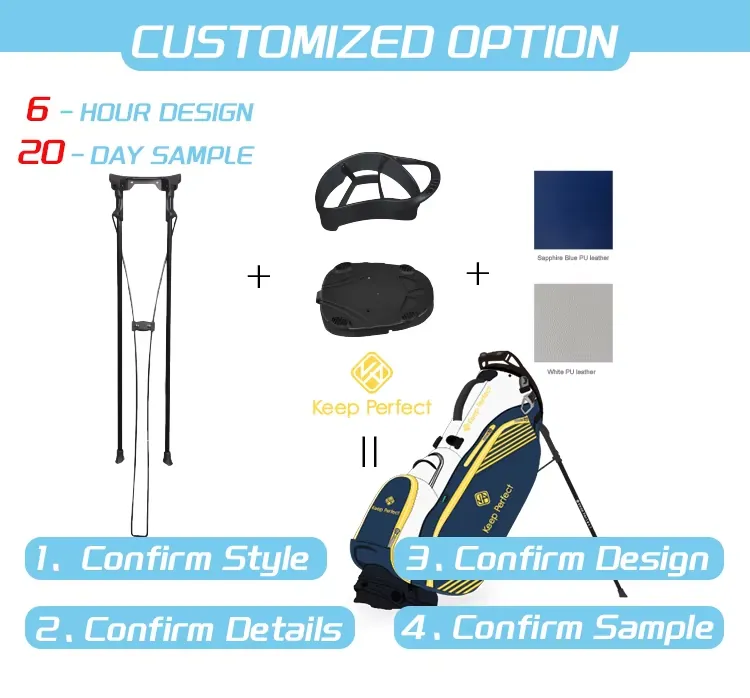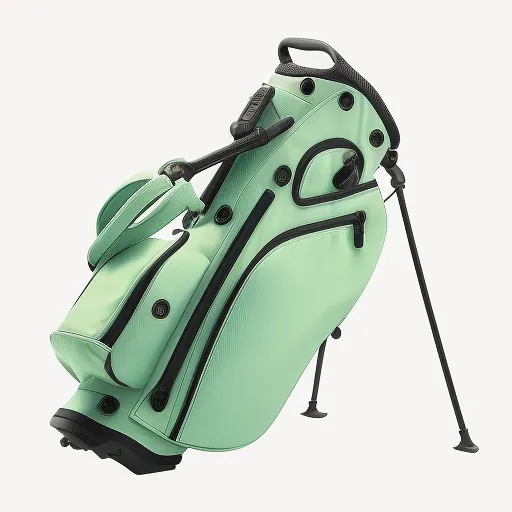
Waterproofing and weather protection in a golf bag is defined by measurable physical properties — water column rating, seam sealing method, IPX and IP6X ingress codes, and the drainage design — not by marketing phrases such as "water resistant". A bag that genuinely keeps clubs and electronics dry in heavy rain needs a laminated shell with sealed or taped seams, a drainable bottom, and weather-sealed closures, and a buyer should be able to see the test report that proves the rating. This guide breaks down the technologies, the specifications to ask for, and how to verify them before placing an order.
Weather protection is increasingly a decisive specification for golfers who play on exposed links courses, travel internationally, or store expensive equipment in humid climates. It is also a major factor in OEM demand: brands selling into rainy regions build waterproof construction into the spec rather than offering a cover as an afterthought. Understanding the difference between a coated shell, a laminated shell and a fully sealed bag tells you what you are really paying for.
1. From DWR Coating to Laminated Shell: The Protection Ladder
Weather protection exists on a ladder, starting with a DWR (durable water repellent) coating that simply makes water bead and roll off a fabric surface. That is the lightest and most economical option, but a coating wears down with use and laundering, so its protection fades and eventually needs refreshing. The next rung is a waterproof layer bonded or laminated into the construction, which keeps water out through the life of the shell rather than merely repelling it at the surface. At the top sit fully sealed constructions where seams are taped or welded and zippers are designed to resist water, closing the gaps that let moisture in over time. Choosing where on this ladder to build depends on the climate the bag must survive and the weight and cost the user will accept, with most practical bags living somewhere between a durable lamination and a seam-sealed build.
Weather protection exists on a spectrum, and it is essential to place any product on it accurately. At the bottom sits a DWR — durable water repellent — coating that makes water bead and run off the surface. This repels light rain and protects against spotting but is not waterproof. Next is a coated fabric, where a PU or PVC layer is applied to the reverse of the cloth; this resists water better but can stiffen and crack over time.
The most robust construction is lamination, where a waterproof film is bonded to the fabric so the shell itself is a barrier. A laminated fabric has a water column rating measured in millimetres: 10,000 mm means the fabric withstands a 10-metre column of water before leaking, and ratings of 10,000 mm or more are the accepted threshold for "waterproof" golf bags. Sealed or taped seams raise the effective performance because the biggest leak points in any bag are the seams.
Distinguish clearly between these tiers when reading specs. A bag described as "water-resistant" with a low water column and no seam sealing will fail in steady rain, while a fully laminated, seam-taped bag carries a genuine all-weather warrant.
2. Understanding IPX and IP Ratings
IP (Ingress Protection) ratings are defined by the international standard IEC 60529 and describe resistance to solids and liquids. The first digit covers solids (IP6X means fully dust-tight); the second covers water (IPX7 means protected against immersion up to 1 metre for 30 minutes, IPX8 against continuous immersion under conditions specified by the manufacturer, IPX6 against powerful water jets).
| Rating | Protection | Typical Golf Use |
|---|---|---|
| IPX4 | Splashing water, any direction | Standard zippered pockets in drizzle |
| IPX5 | Low-pressure water jets | Enhanced pocket closures |
| IPX6 | Powerful water jets | Most durable "weatherproof" shells |
| IPX7 | Immersion up to 1 m for 30 min | True waterproof compartments |
| IPX8 | Continuous immersion | Heavy-duty marine-grade spec |
It is important to note that IPX ratings test the closure and construction against water ingress, while water column rating tests the fabric itself. A genuinely waterproof golf bag combines both: a laminated shell of at least 10,000 mm and sealed/waterproof zippers, so neither the fabric nor the closures leak. Many manufacturers also subject bags to the ISO 811 hydrostatic head test for the fabric water column.
3. The Crucial Role of Seam Sealing
Seams are where sewing needles pierce the fabric film, and unsealed seams turn a waterproof shell into a water-retaining sponge. Three sealing methods are common: seam taping, where a waterproof tape is heat-bonded over the stitched seam; welded seams, where panels are joined by heat or radio-frequency welding with no needle holes; and bonded-internal-seam construction, where the seam is hidden and protected by design.
Welded seams offer the highest performance because they eliminate needle holes entirely, but they are more difficult to produce and repair. Seam-taped construction is the most common premium compromise: it is durable, production-efficient and repair-friendly. Whichever method is used, ask the factory to specify the seam-sealing method in the written spec and to include a water test of the seams in the inspection report.
4. Waterproof and Water-Resistant Zippers
Zippers are the second biggest source of water ingress after seams. Standard coil zips let water through; waterproof zippers use a gasket or coated tape to block it. For valuables, electronics and rangefinder pockets, a waterproof zip — or a water-resistant zip protected by a storm flap — is essential. Even on a bag with a laminated shell, an unprotected zipper pocket will soak a phone in a downpour.
Pay attention to the difference between a zip that is coated (delivering limited, short-term protection) and one that is truly waterproof with a sealing system rated and tested. Storm flaps over zippers add a second line of defence and are standard on the highest-rated bags. Zipper-cycle testing is a useful quality indicator: a premium waterproof bag should survive thousands of open-close cycles without failing or losing its seal.
5. Drainage Systems and the Bottom Line
No bag keeps every drop out forever, so the best waterproof designs plan for what happens if water gets in. A drainable bottom — usually one or more grommets or mesh panels at the base — lets moisture escape rather than pooling inside the bag. This is a defining feature of a purpose-built waterproof golf bag and distinguishes it from a bag that merely has a coated shell.
Drainage also prevents mildew and odour, which is a major consideration for bags stored in garages, cars and luggage holds in humid climates. Combined with a quick-dry lining and breathable interior panels, a drainable bottom means the bag returns to a usable, odour-free state faster after a wet round. When comparing specs, check that the bottom seam is sealed and that the drainage design does not compromise the overall waterproofing of the main compartments.
6. UV, Temperature and Environmental Protection
Weather protection is broader than rain. Prolonged UV exposure degrades nylon and polyester, fading colour and weakening the shell, so UV-stabilised yarns and coatings extend service life. Temperature extremes matter too: laminates and coatings must flex in the cold and resist hydrolysis in humid heat, which is why TPU laminates outperform PU in hot, humid export markets.
Dust and sand protection is significant for links and desert courses, and an IP6X dust-tight rating or sealed closures help keep particulate out of zippers and pockets. Humidity resistance protects electronics and slows corrosion of metal hardware. A genuinely "all-weather" bag integrates all of these protections rather than addressing rain alone.
For a deeper look at the material science behind these protections, see golf bag material technology and innovations and golf bag material science innovations.
7. Care and Maintenance That Preserves Protection
Even the best waterproof bag loses performance if it is not maintained. Machine-washing can crack coatings and puncture seams, so hand-wash with mild detergent and rinse thoroughly. Re-apply DWR refresh treatment as beading diminishes. Let the bag dry completely before storage to prevent mildew, and check zippers and drain grommets seasonally.
Avoid folding and storing a laminated bag under heavy load, as creasing can fatigue the film. Store in a cool, dry place away from direct sunlight. These habits materially extend the useful life of weather protection and are worth including in any after-sales guide for customers.
8. Verifying Weather Protection Before Production
Claims must be backed by physical evidence. Request and review the actual test report for water column rating, seam sealing, zipper-cycle performance and IP rating. Ask which testing method was used — ISO 811 for hydrostatic head, IEC 60529 for IP ratings — and whether a third-party body such as SGS performed the test. A credible manufacturer provides these documents as standard.
Order a production-matching sample and test it the way a customer would: drench it, inspect the seams, soak the zippers and check the drain. With a 10–20 day sampling period and 100-piece test-order entry, you can validate the waterproofing before committing to standard MOQ volumes of 200 pieces. For full production runs, schedule a third-party inspection such as the SGS check completed in March 2026 to verify consistency across units.
9. Choosing Between a Waterproof Bag and a Rain Cover
Not every player needs a fully waterproof bag. A high-quality rain cover is a lighter, cheaper way to protect a standard bag on occasional wet days, and it is removable when the sun returns. Frequent wet-climate players, course marshals, resort staff and those who walk exposed courses usually prefer the durability and complete protection of a fully sealed bag.
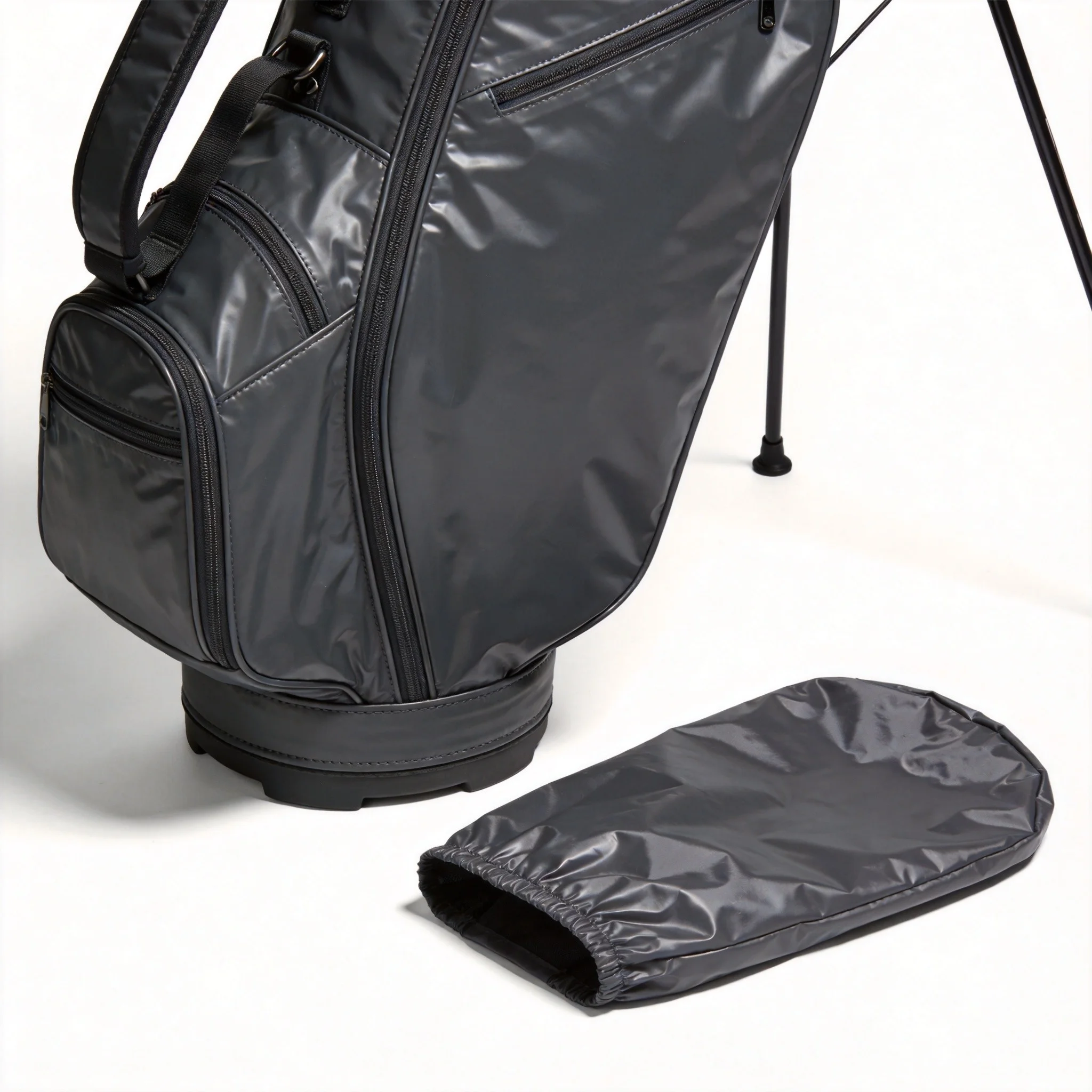
For the cover option, see golf bag rain covers and waterproof technology. For them, a cover is a backup rather than the primary system. Matching the right solution to the player's climate and usage avoids overspending on features that are never needed.
10. Full-Bag vs Compartment-Level Protection
Some bags waterproof the entire shell, while others target key compartments. A full waterproof warrant is ideal but adds weight and cost. A pragmatic design protects the electronics, valuables and rangefinder pockets to a high IPX rating while using a drainable, quick-dry construction elsewhere. Matching protection to content reduces cost without endangering the equipment that matters most.
When specifying, tell the factory exactly which compartments must be truly waterproof and which only need to be weather-resistant. This focused approach usually yields a lighter, cheaper bag that still meets the real-world protection requirements of most golfers.
10B. Common Specification Mistakes
Several recurring errors turn an otherwise well-engineered bag into one that leaks, and knowing them helps a buyer avoid them at spec stage. The first is treating "water resistant" as equal to "waterproof" in the product description or the warranty language, which invites costly returns when a customer reasonably expects full protection from a shower. The second is waterproofing the fabric but leaving ordinary coil zippers unprotected on the compartments that carry electronics and valuables — the very pockets that must stay dry.
A third common mistake is failing to specify the seam-sealing method, so the factory selects the cheapest unsealed construction and the shell leaks at every stitch line. A fourth is omitting a drainable bottom, which means the bag retains moisture and develops mildew and odour even when the shell itself performs well. Finally, buyers often accept a verbal claim or a marketing data sheet in place of a signed test report; without written evidence of water column, IPX and zipper-cycle performance, the specification is unverifiable and the warranty is weak. Write all of these requirements explicitly, test them on a production sample, and confirm them at final inspection.
11. Comparing Wet-Weather Fabrics for Golf Bag Shells
Choosing the right shell fabric is the foundation of any weather-protection strategy. Each material family balances water performance, weight, hand feel and cost, and the correct choice depends on the climate and price point you target. The table below summarises the common options from lightest to heaviest, so you can position your product accurately rather than defaulting to whichever fabric the factory has in stock.
| Shell Fabric | Typical Weight | Water Performance | Best Application |
|---|---|---|---|
| Lightweight Laminated Nylon | 120–180 GSM | 10,000+ mm sealed | Ultralight walking bags |
| Standard Laminated Polyester | 200–280 GSM | 10,000 mm sealed | Mid-range all-weather bags |
| Heavywear Nylon Shell | 250–350 GSM | 10,000 mm + reinforced | Tour and cart bags |
| Coated Polyester (non-laminate) | 200–300 GSM | Water-resistant only | Budget weather-adjacent bags |
Round the selection with the lining and hardware so the whole system performs together. A laminated shell with a mesh or quick-dry lining and waterproof zippers on critical pockets delivers the best real-world result; improve the shell alone and weak zippers or unsealed seams will still leak. Insist that the spec links shell, lining, closure and drainage decisions rather than treating weather protection as a single component choice.
12. Climate-Specific Specification Guidance
Rain intensity, temperature and humidity vary enormously by market, and the "right" specification therefore depends on where the product sells. In the UK, Ireland and northern Europe, steady cool rain dominates, favouring a fully laminated, seam-taped shell with good thermal flexibility and a drainable bottom. In Southeast Asia and the tropics, heat and RH above 80% favour TPU lamination and quick-dry linings to resist hydrolysis and mildew.
Desert and links markets such as the Middle East and parts of Australia prioritise dust-tight closures and UV-stabilised fabrics over rain protection, because sand and sun do more damage than downpours. For export brands selling into multiple regions, a modular material approach — one shell platform with climate-specific lining and hardware options — keeps inventory manageable while letting each market get the protection it actually needs.
China's Fujian manufacturing base, where QUANZHOU JUNYUAN BAGS operates QUANZHOU JUNYUAN BAGS, in business since 2014 with a founder who began in the trade in 2004, applies more than twenty years of production experience to weather protection engineering., routinely builds for all of these climate profiles, so a partner with that export reach can advise on regional defaults informed by real order history across 100+ countries.
13. Balancing Protection, Weight and Cost
Every layer of weather protection adds weight and cost, so the objective is to protect the right parts of the bag without paying for performance that is never used. The heaviest, most expensive elements — fully waterproof zips and welded seams — belong on the electronics and valuables pockets and the main club compartment where required. The remaining shell can often use a lighter lamination with a drainable, quick-dry culture.
Set the protection budget by asking who carries the bag and how. A walking golfer benefits from minimising weight even in a waterproof product, so a lightweight laminated option fits best. A cart user accepts extra weight in exchange for maximum robustness. Matching the protection tier to the user profile keeps the unit cost competitive without degrading the experience for the buyer who depends on the bag staying dry.
Frequently Asked Questions
- What water column rating makes a golf bag waterproof?
- A rating of 10,000 mm or higher, tested to ISO 811, is the accepted threshold for genuinely waterproof golf bag fabric. Ratings below that offer water resistance but will not withstand steady downpours.
- What is the difference between IPX6 and IPX7?
- IPX6 protects against powerful water jets, while IPX7 protects against immersion up to 1 metre for 30 minutes. IPX7 is generally the higher specification for bags claiming true waterproof protection, though both refer to the ingress protection standard IEC 60529.
- Do I need seam sealing even with a laminated shell?
- Yes. Sewn seams puncture the waterproof film, so unsealed seams leak even on laminated fabric. Seam taping or welding is required for a bag to be genuinely waterproof.
- Why is a drainable bottom important?
- It lets any water that enters escape instead of pooling, preventing interior damage, mildew and odour. It is a defining feature of a purpose-built waterproof golf bag.
- Is a waterproof zipper necessary on every pocket?
- Only on compartments that must stay dry — electronics, valuables and rangefinder pockets. Other pockets can use water-resistant zips with storm flaps or rely on the drainable construction.
- Can I wash a waterproof golf bag?
- Hand-wash with mild detergent and rinse thoroughly; avoid machine washing, which can crack coatings and damage seam tape. Refresh the DWR coating as beading diminishes and dry fully before storage.
14. Warranty and After-Sales Support for Weather Claims
Because waterproofing is a verifiable engineering promise, it is reasonable to back it with a meaningful warranty, and this is a differentiator in crowded markets. A clear warranty tells a buyer exactly how long the waterproof construction is guaranteed and under what conditions it is voided. Ask the factory to advise on realistic warranty periods based on their own durability testing rather than inheriting an arbitrary industry number.
Good after-sales support also protects the brand: provide a care card, make refresh DWR and replacement zippers available, and spell out the repair route for seam failure. When a waterproof bag is backed by test reports and a practical warranty, it justifies a higher sustainable price and builds the repeat-business loyalty that long-term OEM partnerships depend on. See how a manufacturer structures this in golf bag warranty and aftercare service.
Documenting weather claims honestly — including the difference between "waterproof" and "water resistant" — protects you from returns and chargebacks, and it aligns with the standards consumers increasingly read about before purchase.
Weather protection in a golf bag is a measurable engineering specification, not a slogan. By understanding water column rating, IPX codes, seam sealing and drainage, an OEM buyer can specify a product that honestly meets its claims and verify it with test data before mass production.
To specify or source waterproof and weather-protection golf bags, contact QUANZHOU JUNYUAN BAGS at service@junyuanbags.com or +86 17750020688. The manufacturer operates seven production lines with a team of 137 and monthly output of about 200,000 pieces, and supports standard MOQ of 200 with test orders from 100.
Related reading: the ultimate guide to waterproof golf bags, how waterproof bags perform in heavy rain and how to test waterproof quality.
In summary, the engineering is not complicated but it is specific. Confirm the water column rating of the shell, verify the seam-sealing method, choose waterproof or properly storm-flapped zippers for the pockets that matter, include a drainable bottom, and protect vulnerable compartments to a defined IPX rating. Written test evidence — ideally third-party such as SGS — turns every one of those claims from an assertion into a fact that buyers can rely on. When you apply this discipline across sampling, mid-production and final inspection, a waterproof golf bag stops being a marketing phrase and becomes a repeatable, inspectable, warrantable product that builds trust in any export market.