Ergonomic Golf Bag Design for Comfort and Performance in 2025
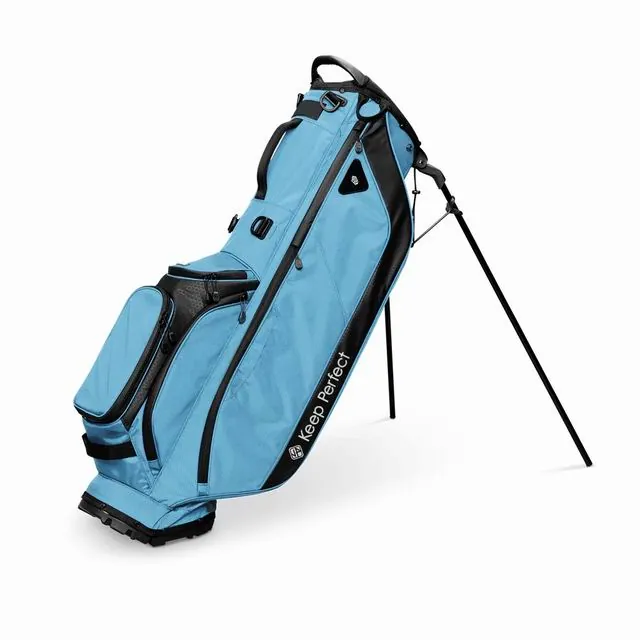
Ergonomic golf bag design improves both comfort and performance because a bag that is light, balanced, well-padded and stable costs you less energy and attention to carry, freeing both for your game. Fatigue from a heavy, unbalanced bag is real and accumulates - by the back nine it costs you shots and focus. In 2025 the best designs link comfort directly to performance through four principles: lightweight durable materials, engineering-led balance, contoured padded straps and full-length dividers that keep the load quiet and stable. This is the ergonomic design brief we apply at our affiliated factory, QUANZHOU JUNYUAN BAGS (founded 2014, our founder active in the industry since 2004), which designs and produces bags for 200+ brands across more than 100 countries.
Why Comfort Is a Performance Advantage
It is easy to think of a golf bag as a passive container, but how it carries you directly affects how you play. Golf is a game of concentration, rhythm and energy management, and a bag that tires you, annoys you or distracts you with discomfort steals all three. A comfortable, ergonomic bag removes those drains so your physical and mental resources go into the game.
The effect is most visible late in the round. Players with poorly designed bags fatigue into sloppier swings and lost focus on the back nine, while those with well-balanced bags stay fresher, sharper and more consistent. Over a full season, the cumulative effect of comfortable carrying is a measurable part of performance. For walkers especially, the bag is a factor in how well you play.
Performance also includes protecting your equipment. An ergonomically-designed bag with full-length dividers keeps clubs separate, quiet and undamaged, so your investment stays in condition. Comfort and performance together make the bag a true part of the game rather than a burden carried between shots.
Energy Conservation: The Core Link Between Comfort and Performance
The clearest link between comfort and performance is energy conservation. Every bit of weight you carry, every wobble you correct and every adjustment you make uses energy that cannot go into your swing. An ergonomic bag minimises all three, conserving your energy so it is available for the shots that matter, especially late in the round.
Walking a round of golf is real exercise, covering several kilometres, and a well-designed bag reduces its cost. Lighter weight, better balance and proper padding all lower the physical effort of each step, letting you walk in rhythm and arrive at your ball as fresh as the conditions allow. Energy saved across the round is energy available for concentration and control.
This is why weight, balance and padding are not just comfort features but performance features. Choosing a bag that conserves energy is one of the simplest ways to improve your golf without changing your swing. Our weight and portability analysis explains how much difference efficient design makes on a carried round.
Balance: The Design Principle That Saves the Most Energy
Of all ergonomic principles, balance does the most to conserve energy and preserve focus. A balanced bag keeps its load close to your back and near your centre of gravity, so it sits still and stable as you walk. A poorly balanced bag swings, tilts and pulls, and every instance costs a small correction from your core muscles, multiplying the effort of the whole round.
Correct balance is engineering: heavier parts placed low and near the back, a compact profile, and pockets routed so contents stay close to the body. The result is a bag that feels lighter than it weighs, letting you walk naturally instead of fighting the load. Balance is the invisible feature that does the most for performance.
Assessing balance requires actually carrying the loaded bag and walking with it, noticing how much it swings and how much you correct against it. A genuinely balanced bag centres itself with minimal effort, keeping your energy and attention on the game. For the deeper mechanics, see our full ergonomics guide.
Strap and Padding Design for Sustained Comfort
The strap system is your direct point of contact with the bag, and its design determines sustained comfort across the round. Contoured, padded dual straps spread the weight evenly across both shoulders and the upper back, eliminating the acute pressure points a single strap causes. The harness is adjustable so the bag rides at the right height, snug against the body.
Quality padding in the straps and back panel absorbs pressure and shock, staying comfortable even under a fully loaded bag. Dense, durable padding survives many rounds without flattening, so the comfort you feel on day one remains for the life of the bag. Together, the strap geometry and padding keep fatigue at bay so your focus stays on performance.
Proper adjustment is essential to realising this - a great strap system carries badly if it is not fitted to your body. Take the time to adjust it correctly, and revisit the fit when your load or physical condition changes. For step-by-step guidance, see our how to adjust stand bag straps guide.
Stability and Reduced Distraction
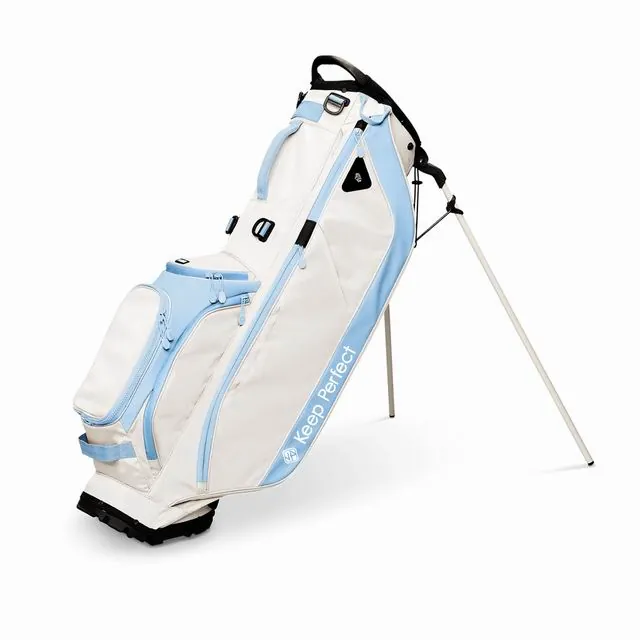
An ergonomic bag also reduces distraction, which is a quieter but genuine part of performance. A bag that clatters, shifts or constantly demands adjustment pulls your attention away from the game. A bag engineered for stability - through full-length dividers, secure construction and good balance - carries quietly and predictably, so your mind stays on your shot.
Full-length dividers are central to this: they stop clubs sliding, rattling and knocking with every step, keeping the load quiet and stable even on uneven ground. The fewer small interruptions and corrections your bag demands, the more consistently you stay in your rhythm and routine. Performance thrives on this calm, and a stable bag supports it.
For how dividers keep clubs stable and protected, see our divider comparison guide. Choosing the right configuration matters for both the quiet-carrying and the club-protection side of stability.
The 2025 Materials That Make Comfort Possible
Modern comfort is enabled by materials as much as by design. Lightweight yet durable fabrics, stronger frames and efficient fittings add minimal weight while keeping the bag robust, and this is what allows a bag to carry well over years. Advances in material science continue to push the balance between light weight and durability further in each generation.
Recycled and sustainable fabrics now match conventional strength, so comfort and durability do not have to come at an environmental price. When materials are chosen thoughtfully, a bag can be light, comfortable, durable and responsible all at once. For the science behind these materials, see our advanced golf bag materials guide.
Designing Comfort for Different Body Types
A key 2025 principle is that ergonomic bags are adjustable to suit different body types. Strap systems accommodate short, medium and long torso lengths, so whether the player is taller or shorter, the bag sits at the right height and distributes weight correctly. Padding placement and harness geometry are designed to fit a range of frames comfortably.
Adjustability matters because a bag that fits one person poorly may be uncomfortable even if technically well designed. A bag you can fit to your own body delivers the full ergonomic benefit. When choosing, confirm the strap system adjusts to your torso and that the bag rides comfortably at the setting you need.
Ergonomics and Long-Term Physical Health
Beyond comfort in a single round, ergonomic design supports long-term physical health for golfers who carry. A bag that spreads weight through padded dual straps, keeps the load balanced and stable, and sits correctly adjusted reduces the strain that could otherwise accumulate in the shoulders, neck and lower back over many rounds. Good ergonomics help you play comfortably for years and may help prevent discomfort from carrying.
This is especially relevant for players who walk regularly or who have existing considerations with their back or joints. An ergonomic bag - combined with sensible habits, like not overloading the bag and carrying only what you need - supports both performance today and the ability to keep enjoying the game long term.
| Ergonomic Principle | Comfort Effect | Performance Effect |
|---|---|---|
| Lightweight materials | Less load to carry | More energy for the back nine |
| Engineering balance | Stable, centred load | Less energy lost to correction |
| Padded dual straps | Less pressure and fatigue | Sustained focus and rhythm |
| Full-length dividers | Quiet, stable carry | Less distraction, consistent routine |
| Correct fit adjustment | Bags matches your body | Full ergonomic benefit realised |
Common Misconceptions That Hurt Performance
A damaging misconception is that comfort is an indulgence rather than a performance factor, so some players accept an uncomfortable bag. Another is treating weight as the only measure of comfort, when balance and padding matter just as much. A third is skimping on adjustment, so even a well-designed bag carries badly because it does not fit the player.
Correct each by treating ergonomics as part of your equipment and your game: choose a bag that is light, balanced and well-padded, assess comfort by carrying it loaded, and adjust it to fit your body. When the bag stops being a drain, your performance and enjoyment both improve. For how to evaluate comfort through construction, our quality standards guide explains what robust, comfortable construction looks like.
How Ergonomics and Performance Are Built Into Manufacturing
Ergonomic design and its performance benefits are realised during manufacturing, where materials, construction and quality control decide how well a bag carries. Straps must be sewn to hold a full load without slipping, frames balanced to sit correctly, padding durable enough to last, and barriers aligned so clubs stay protected. Every ergonomic claim depends on how well the design is built.
At our affiliated factory we produce ergonomically-designed bags across 7 production lines with 126 sewing machines and a team of 137 employees, to a monthly capacity of around 200,000 pieces, and every order passes a documented quality-control stage. We have also passed an SGS factory audit in March 2026. For how manufacturing realises comfort and quality, see our quality standards guide and OEM/ODM process guide.
Need a Bag Engineered for Comfort and Performance?
Choose ergonomic design built to conserve energy and focus on the course, customised to your brand. Standard 200-piece MOQ (test orders from 100 pieces), quality-assured production, sampling in 10-20 days and bulk delivery in 45-60 days. All orders are run through an SGS-audited affiliated factory in Quanzhou.
Explore Custom Golf Bags →Conclusion
Ergonomic golf bag design improves both comfort and performance because a bag that is light, balanced, well-padded and stable costs you less energy and attention than a poorly designed one. Judge a bag by the whole system - lightweight materials, balance, contoured padded straps, full-length dividers and correct fit - rather than any single feature, and buy from a manufacturer that builds these principles into construction. A comfortable bag conserves your energy, keeps you focused and lets you play your best from the first tee to the last.
Sources
Maintaining the Ergonomic Performance of Your Bag
The ergonomic and performance benefits of a well-designed bag are best preserved with simple maintenance. Keep the straps clean and free of grit, so padding stays effective and comfortable. Check the padding and harness regularly for wear, and keep the balance intact by not overloading or throwing the load unevenly. Store the bag so padding and dividers are not flattened under heavy items.
A bag that is kept in good condition carries as well at the end of its life as at the start, preserving both the comfort and the on-course performance that ergonomic design provides. This is one more reason that a well-built, well-maintained bag is a genuine long-term performance asset.
Comfort and Mental Focus on the Course
The link between ergonomics and performance is not only physical but mental. A bag that constantly demands adjustment, wobbles or digs into your shoulder steals attention between shots, breaking the quiet rhythm that good play depends on. A bag that carries effortlessly lets you stay in the present, focused on the shot rather than on your equipment. Preserving that mental focus is a genuine and underrated performance benefit.
When you reduce the physical distraction of carrying, you protect the calm and consistency that define solid golf. Viewed this way, an ergonomic bag is not a luxury but part of the equipment that supports good play. For golfers who value both comfort and performance, choosing a bag engineered to minimise distraction is a worthwhile part of the whole game.
An ergonomic bag is also a more efficient one for the practical demands of a round. Getting to the course, warming up on the range and moving between tees all involve handling the bag, and a comfortable, balanced bag makes every one of those interactions easier. The bag that is easy to pick up, carry and manage is the bag that fits smoothly into the whole experience of a day of golf, not just the walking in between shots.
For those who play frequently or walk long distances, the cumulative difference of an ergonomic bag is unmistakable across a season. The comfort and energy it preserves do not just improve a single round; they make it easier and more enjoyable to play consistently well over time. That long view is the strongest case for prioritising ergonomics as part of performance.
As ergonomic design has matured, it has also become price-accessible, so performance-focused comfort is no longer reserved for premium products. Advances in materials and construction methods have brought good ergonomics within reach across price segments, meaning every golfer can expect a bag that conserves energy and supports focus. Choosing with an eye to ergonomics is therefore a sensible investment at any budget.
The long-term value is clear: a comfortable bag used for years, preserving energy and protecting equipment each round, is a purchase that pays for itself many times over. When you weigh comfort and performance together, an ergonomic bag is one of the most dependable upgrades available to the golfer, at every level of the game.
Finally, it is worth repeating that comfort and performance are equal partners in a well-designed bag. A bag engineered to conserve energy does so through the same features that make it comfortable, so the golfer gains twice from one good decision. Whether the goal is a fresher back nine, better focus on each shot or simply a more pleasant afternoon on the course, choosing an ergonomic bag is a sound and rewarding investment in the game.
Viewing the bag as part of your performance setup changes how you choose it. Alongside clubs, shoes and ball, the bag quietly affects how fresh and focused you are on the course, so treating it with the same care as your other equipment is sensible. A bag that conserves energy and keeps you calm is, in a real sense, a piece of performance kit, and choosing it well rounds out the whole game.
Ergonomics also scales from the solo golfer to the full fleet, which is why the same design discipline appears in the way factories engineer cart bags at volume. QUANZHOU JUNYUAN BAGS builds ergonomic cart bags on a 4,950 m² affiliated manufacturer with 7 production lines, 126 sewing machines and 137 staff, verified by SGS in March 2026, with founder experience since 2004 and a company founded in 2014. It works within a conventional MOQ of 200 pcs (test order 100 pcs), sampling in 10-20 days and bulk production in 45-60 days, supporting 200+ brands across 100+ countries. When a course or club is outfitting a fleet, the same low-slung centre of gravity and even weight distribution that protect an individual golfer's back become a specification the factory can reproduce uniformly across every bag in the order.
Finally, connect ergonomics to the other decisions that shape a successful bag. The balance spec that keeps a cart bag level is the same principle that protects clubs inside it, so reading this guide alongside our cart bag weight and balance guide and our club protection guide gives one coherent comfort-and-durability brief. Whether you are designing a bag for yourself or specifying a fleet for a club, keeping comfort, balance and protection in a single specification produces equipment that performs everywhere the bag goes.
Frequently Asked Questions
- Does a comfortable golf bag actually improve performance?
- Yes. Carrying a poorly designed, heavy or unbalanced bag tires you out and diverts attention from your game. An ergonomic bag - light, balanced, well-padded and stable - reduces fatigue and distraction, conserving energy and focus for the back nine. Comfort and performance are directly linked.
- What makes a golf bag ergonomic for performance?
- An ergonomic bag spreads weight through padded dual straps, keeps the load balanced and close to your back, stabilises clubs with full-length dividers, and weighs as little as the design allows. These features lower the physical and mental cost of carrying, preserving comfort and focus across the round.
- How much does gauge of fatigue differ between a good and bad bag?
- The difference is real and accumulates. A well-balanced, well-padded bag lets you walk a round noticeably fresher than a heavy, poorly balanced one carrying the same clubs. Over a season and many rounds, the difference in fatigue, discomfort and focus compounds, which is why ergonomics is a performance factor.
- Should I prioritise comfort or performance features in a golf bag?
- Comfort and performance are the same goal in ergonomic design - the features that make a bag comfortable (balance, padding, light weight, stable dividers) are exactly the features that help you perform by conserving energy and focus. You should not have to choose between them.
- How does balance affect golf performance?
- Balance affects performance through energy and attention. A balanced bag stays centred and stable against your back, so you do not fight against a swinging or tilting load. That stability reduces physical effort and lets you walk in a natural rhythm, keeping more energy and focus for your shots.
- Do 2025 ergonomic designs help players who walk a lot?
- Yes, strongly. The trends in 2025 - lightweight durable materials, engineering-led balance, contoured straps and better padding - are designed precisely for walkers. They make long carried rounds easier, which protects both comfort and performance, especially for players who walk regularly.
- Can ergonomics reduce injury risk from carrying?
- Ergonomic design - padded dual straps, good balance, a snug fit and stable construction - reduces the strain of carrying a full set, which helps prevent shoulder, neck and back discomfort over time. By lowering strain and encouraging good posture, ergonomic bags support long-term physical health for walkers.
- Is there a downside to very lightweight bags?
- The only downside is if weight is cut by sacrificing durability or support. A bag too flimsy to hold its shape or protect clubs gives up protection for weight. Quality lightweight design cuts weight through clever materials and engineering while keeping strength - the goal is light but robust, not simply light.