Custom Golf Cooler Bags for Corporate Golf Events
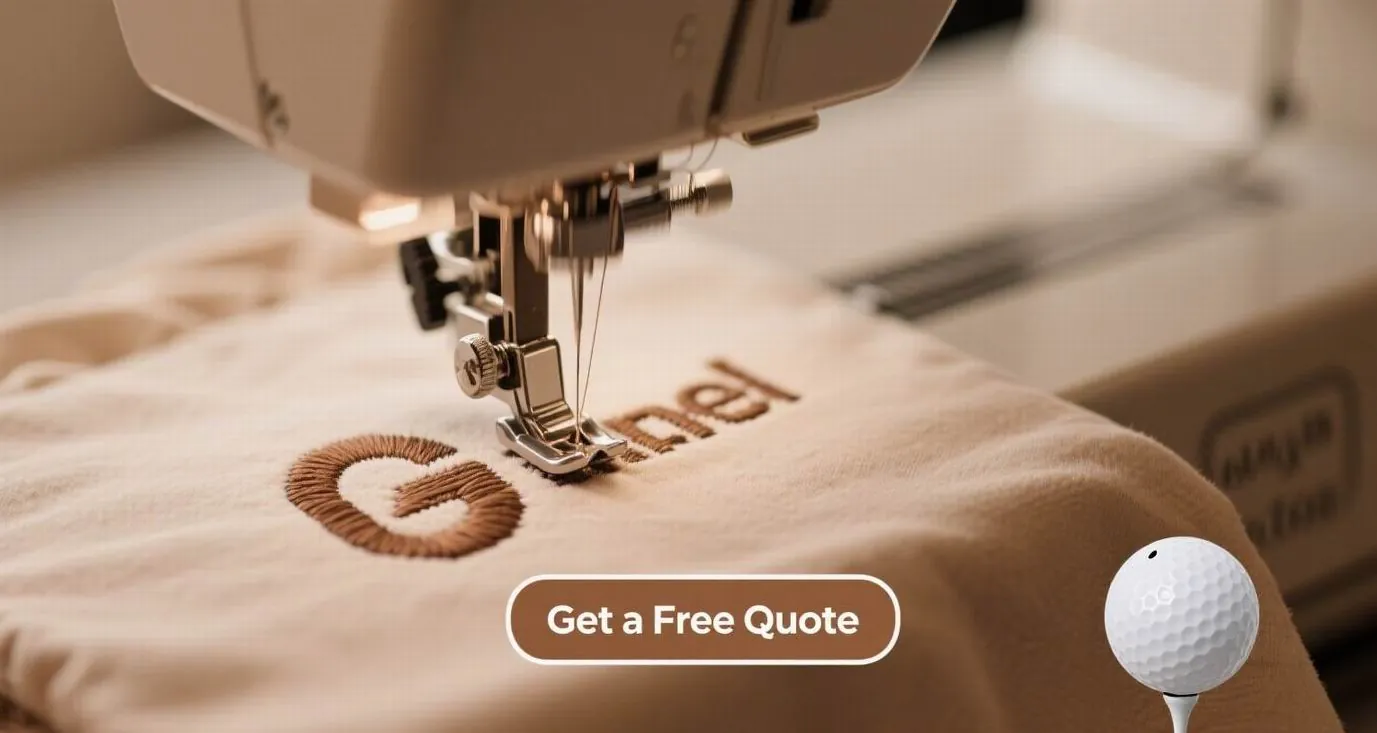
Corporate golf events pair best with custom cooler bags that are ordered at roughly one unit per player plus a 10-15 percent buffer, produced under a realistic 4-8 hour cold-retention promise, and completed in a 10-20 day sampling window followed by 45-60 days of bulk production. These three numbers—quantity planning, honest insulation claims and a workable timeline—are the difference between a gift that delights a field of players and a supply chain headache that arrives too late. This guide explains how to size the order, design the branding, choose materials, manage the sample and pack the giveaways so your event, sponsors and guests all come away looking good.
Corporate golf is as much about relationship-building as it is about the scorecard, and the bag someone carries home is the most persistent reminder of your hospitality. Unlike food or signage that disappears overnight, a well-made cooler bag sits on a desk, in a trunk or by the practice range for months, quietly carrying your logo into every conversation and future meeting.
Sizing Your Order Like an Event Planner
Under-ordering is the most common mistake, because no one wants to see a late-registered guest leave empty-handed. The reliable formula is one bag per confirmed player plus a 10-15 percent reserve covering staff, caddies, sponsors and unexpected adds. Some organizers also keep a few extra bags for hole sponsors who contribute prizes, which strengthens sponsor relations at almost no added cost. It is far cheaper to carry a handful of spare units than to explain to a valuable partner why no gift remains, so the reserve is a small insurance policy that pays for itself in goodwill.
At our factory the standard order tier starts at 200 units, with a 100-unit test tier, so most single-event fields fit comfortably within a standard run. For tournaments with 400 or more players, plan 300+ units and lock capacity early. If the same bag doubles as a retail or membership item after the event, you may order more up front and warehouse the surplus for future rounds or pro-shop sales.
Do not forget that quantities affect engineering. Extra volume lets a factory run more economical panel and print cutting, so a slightly larger order often buys you barely any extra per-unit cost while meaningfully lowering it. The reverse is also true: proving the design at the 100-unit tier first is a low-risk way to validate before a much larger commitment.
Designing Branding That Reads on the Course
Branding is the entire point of the bag, so give it as much thought as the structure. The front panel is your hero space, the side panels support secondary sponsors or a second company logo, and pockets allow a small print or a woven label for finer details. Colors should be high contrast and legible at a distance, because a bag sitting on a cart is read from across the fairway as much as from close up.
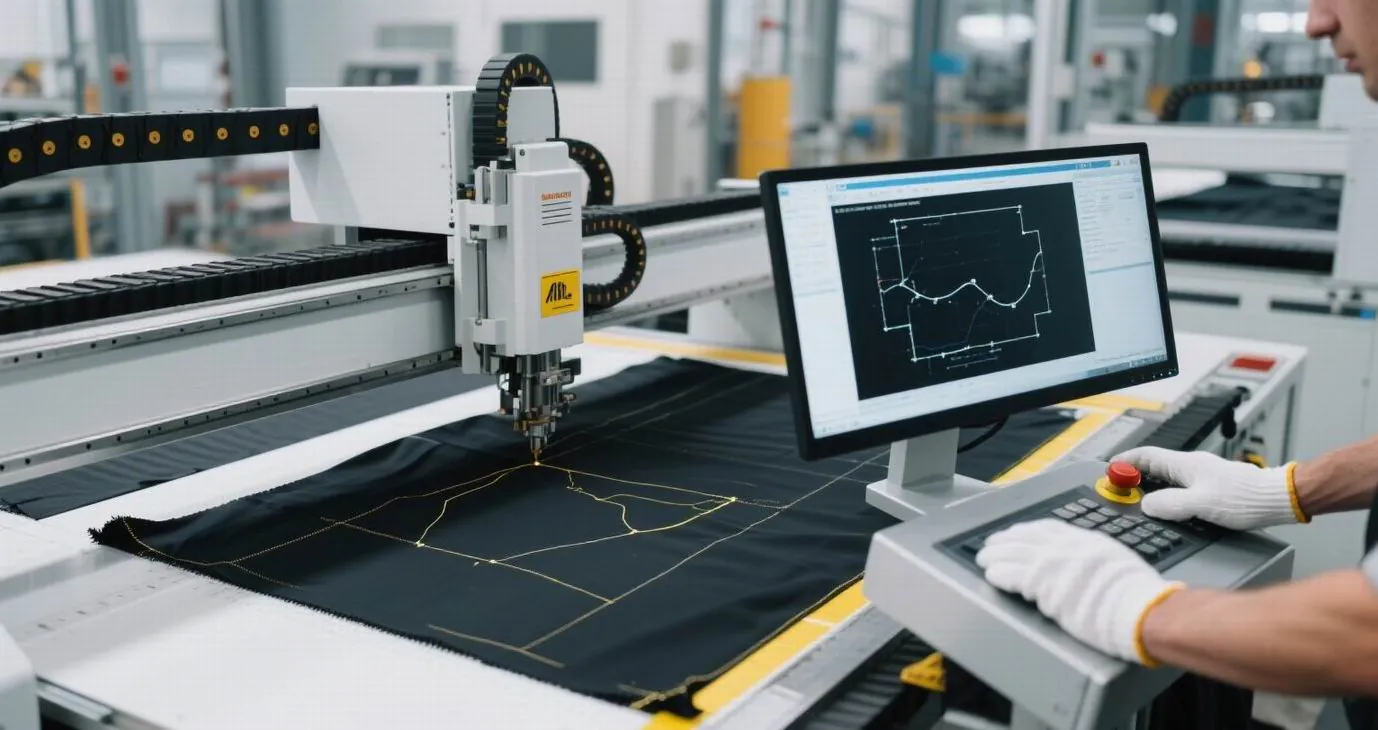
For multi-sponsor events, assign each partner a defined panel and agreed minimum logo size so no one is disappointed. A hierarchy card—title sponsor largest, co-sponsors medium, contributors smaller—keeps the design orderly and every contributor satisfied. Keep at least one clean area for the event name and date so the bag feels like a commemorative keepsake, not just a sponsor billboard.
Choosing Materials and Insulation for Guest Experience
Guests remember a bag that keeps drinks cold and never leaks. The insulation should be food-grade foam in a thickness matched to the retention you promise: a 12-15 mm PE foam core covers the common 4-6 hour jobs, while a 15-20 mm upgrade buys longer retention for hot-weather events in the South or summer. Pair it with a leakproof, wipe-clean liner so spilled drinks and condensation do not soak through to a guest's car interior.
The outer shell should handle a day of carts, trunks and damp ground. A 600D or 900D ripstop polyester with a water-repellent coating is a dependable specification, and sturdier zippers on the main compartment prevent ice-melt leaks at the seams. If your guests are commuting after the round, a comfortable grip handle and a shoulder or cart strap improve daily usability and earn longer shelf life.
Because the bag is a keepsake, small touches matter: a lined valuables pocket, an interior zip for keys, and a clean interior seam finish all read as quality even when guests are not looking for them. These details are also what recipients describe when they recommend your event to colleagues.
Cost Levers and Where to Spend
Three factors drive most of the cost: fabric quality, insulation thickness and branding complexity. Cutting the fabric grade saves money but shortens the useful life of the gift. Shaving insulation thickness reduces retention and invites complaints. Reducing print locations, on the other hand, trims cost with almost no guest-facing downside, so that is the lever to pull first when budgets are tight.
Prioritize spending on the visible and the reliable: a clean primary logo, a genuinely leakproof liner and smooth zippers. Economize on secondary prints, interior tags and packaging gloss. This ordering protects the two things guests actually judge a corporate gift by—how it looks and how well it works. Where the budget allows, spend a little more on the main zipper and the strap, because these are the parts guests touch every time they reach for a drink, and loose hardware is the fastest way to undermine an otherwise premium impression.
Spec Table: Planning an Event Cooler Bag
Use the table as a planning sheet to translate your field size into units and confirm the tier fits the standard MOQ.
| Planning Item | Small Event | Standard Event | Large Event |
|---|---|---|---|
| Approx. players | 30-60 | 60-150 | 150-400+ |
| Recommended units (with buffer) | 40-70 | 70-170 | 170-460 |
| Branding placement | 1 panel | Front + one side | Front + sides + pocket tags |
| Standard MOQ fit | 100-200 tier | 200 tier | 300+ tier |
| Sample window | 10-20 days (all events) | 10-20 days | 10-20 days |
| Bulk lead time | 45-60 days (all events) | 45-60 days | 45-60 days |
The Sample Stage Is Your Reputation Insurance
The 10-20 day sample is where you catch every mistake cheaply. Request one physical sample that carries the final artwork on the correct panels, with the real zippers and a fully assembled insulation panel. Stress-test it before approving: pack a generous amount of ice, time the retention, open and close the zipper repeatedly, and soak-test the liner for leaks.
- Verify color in real light: print and embroidery shift off-screen; approve under daylight, not under office fluorescents.
- Check logo scale: confirm the hero logo is dimensionally correct from arm's length.
- Test closures: a stiff or misaligned zipper is the fastest way to look cheap.
- Photograph the approved sample for an archival record the factory can match in bulk.
- Slide the sample into your luggage plan to check it packs and presents well for guest pickup.
Archive the approved sample and request that the bulk line uses the same pattern pieces and material swatches, which closes the gap between what you loved and what actually ships. A returned photo from the line with the approved sample side by side is a simple, powerful confirmation during first articles of bulk.
Timeline and Logistics for an Event Deadline
Work backward from the tee time. Bulk production occupies 45-60 days after sample approval; sampling needs its own 10-20 days. Then add customs, ocean or air freight and a few days for local delivery and unpacking. For overseas sourcing, begin roughly three months before the event to hold a comfortable buffer against a single correction or a delayed vessel.
Split shipping into batches if the event has multiple waves of guests. A first air-freighted batch can cover early registrants while the main ocean consignment covers the bulk. Communicate the event date to the factory in writing so production capacity and inspection are scheduled against it, and request loading photos at the port to confirm nothing is delayed or damaged in transit. An agreed cut-off for artwork changes protects the production schedule, and naming a single owner on both sides keeps decisions moving through the peak run.
Packaging That Feels Like a Gift, Not Merchandise
Presentation changes how the gift is received. Individual polybags are the economical default, but a printed card or a tissue-wrapped presentation lifts the perceived value dramatically at a modest cost. Event organizers frequently add a welcome card with the date, the event name and a thank-you line, turning a functional bag into a warm, memorable first impression.
If the bag is co-branded with a hospitality sponsor, coordinate the packaging color or included token with the sponsor's activation station so the handover feels designed. Small details—a ribbon, an embossed tag, a matching water bottle—make the unboxing part of the experience guests will mention in follow-up surveys.
Quality Control During a Tight Deadline
A corporate deadline leaves no room for a bad batch, so agree on inspection gates in writing. Incoming material verification, in-process checks during cutting and sewing, and a final AQL-based inspection before packing form a dependable three-stage line. In 2026-03 our affiliated factory passed an SGS factory audit, giving international planners a recognized baseline for consistency.
Add a random retention spot-check and verify that every liner is fully sealed. Inspect a few random units as they come off the line rather than only the packed cartons, because it is easier to correct a process error mid-run than to recall finished gifts.
Agree ahead of time on a reject threshold and a remediation path: how defective units are corrected, who pays for rework and how the final carton count is reconciled. A short written agreement on these points removes the guesswork that usually causes the most friction when a deadline is tight and a batch has come back from inspection.
Sourcing the Right Factory Partner
A cooler bag is a sewing-heavy, detailing-heavy product, so choose a factory that specializes in hard goods rather than general garments. Our affiliated factory was established in 2014, our founder entered the industry in 2004, and the facility operates 7 production lines with 126 sewing machines and 137 staff, producing up to 200,000 units a month for 200+ brands across 100+ countries. The 4,950 m² main factory is an allied partner we represent transparently, not as our own plant.
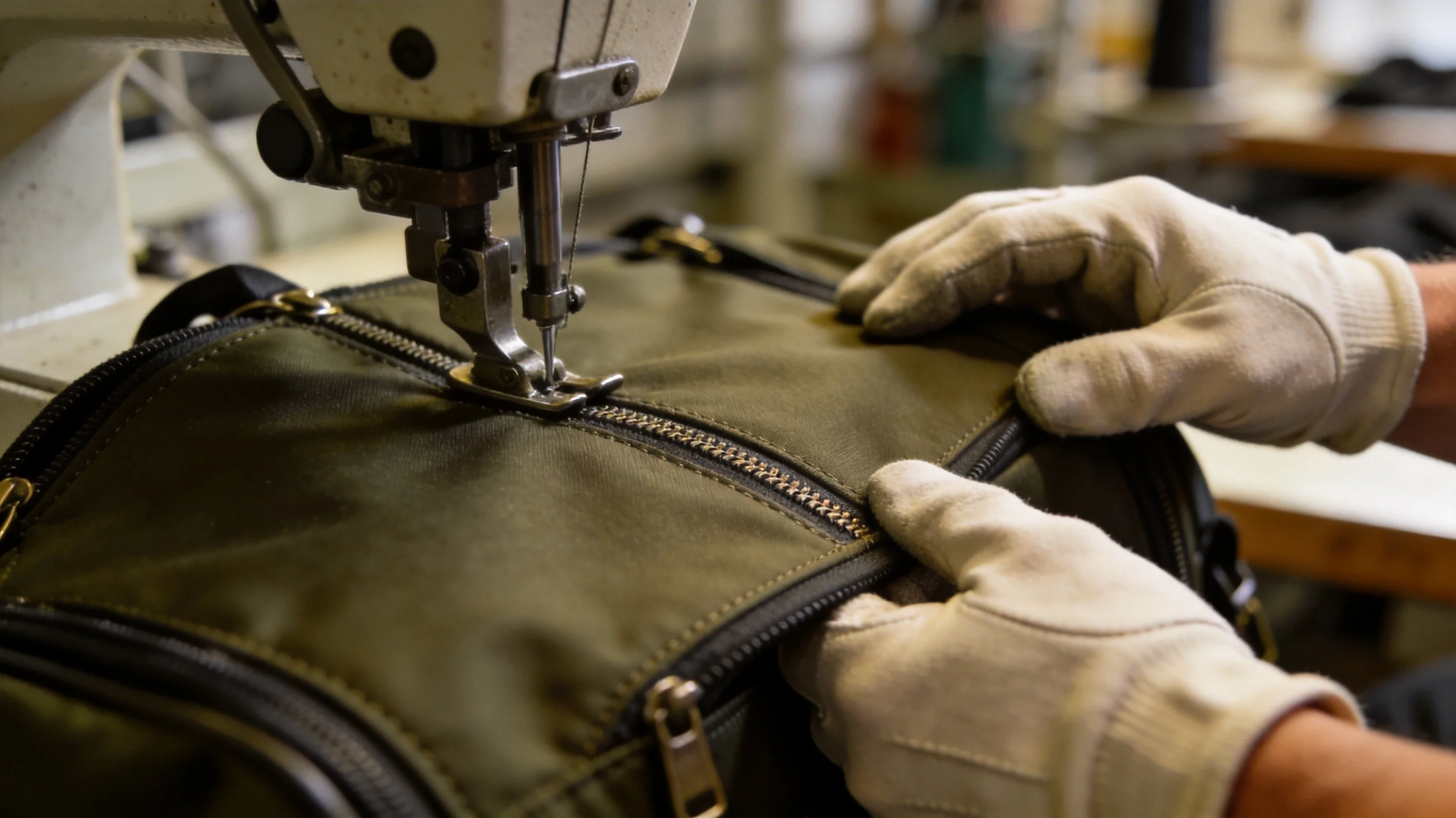
Review the partner's OEM/ODM services for how they translate a corporate brief into a reproducible bag, and their wholesale and volume channels for pricing and logistics. If you also want a fuller employee or client gift range, the golf bag types guide shows how cooler bags sit alongside travel, cart and staff bags in one coherent catalog.
Ask pointed questions before signing: what insulation and zipper brands they use, whether QC reports are shareable, and how they handle a late-correction round. The answers reveal how much of the event risk a partner is willing to manage. An ideal partner treats your event date as a commitment and builds buffer into their own schedule, not just into yours.
Making the Bag Work After the Event
The event is the delivery moment, but the bag keeps working for months. Encourage guests to use it by including a subtle, usable feature—a big comfortable strap, a sealed pocket for a phone, a hook for a cart—so the bag earns a place on their next weekend round. Follow-up photos or a soft social post showing guests with the bag reinforce the brand long after the trophy ceremony.
Many organizers expand the cooler bag from a tournament giveaway into a recurring annual item, a member welcome pack or a client-retention gift. Because the platform is repeatable, later runs are faster and cheaper, and the consistent design turns a one-day hospitality touchpoint into an enduring brand habit.
Think also about how the bag supports your follow-up relationship. A note on the interior, a printed care card, or a small QR tag linking to a thank-you page or a membership offer extends the touchpoint from the course into the guest's week. These soft but deliberate touches reinforce the hospitality long after the scorecards are filed away.
Engaging Players and Building Anticipation Before Tee Off
The cooler bag can do more than sit in a welcome pack. Announce the gift ahead of the event so guests look forward to it and arrive expecting a personalised experience. A short teaser email or a registration-page photo of the bag builds a sense of reward, and it gives sponsors a preview they can share on their own channels.
At the venue, stage the handover deliberately. A dedicated welcome station with the bags lined up, cards already inside and a staff member ready to hand each one across creates the first memorable impression. Photograph the station and encourage guests to use a dedicated event hashtag when they open the bag, which quietly generates social proof for every sponsor involved.
At the close of the day, send each sponsor a simple photo of their bag panel in situ. This tiny gesture not only proves the placement was delivered but gives sponsors ready-made assets for their own marketing, which makes them far more likely to repeat the buy next season.
- Pre-announce the gift to set expectations and reward early registration.
- Brand a welcome station and script a warm one-line handover.
- Offer a small hashtag or photo moment to spark organic sharing.
- Keep a handful of reserve bags on hand at the station for last-minute guests.
- Collect a photo of each sponsor's panel so post-event reporting is easy.
This turns a functional giveaway into an orchestrated hospitality moment, and it is the part of the programme that costs almost nothing but shapes how guests remember the whole day.
Measuring Hospitality ROI and Refining Future Events
After the event, ask a simple question: did the bag earn its place in your hospitality budget? Useful signals include how many guests mention the bag in the post-event survey, how many keep using it in later rounds, and whether sponsors renew with the same panel placement. Keeping a per-unit landed cost in view lets you compare the cooler bag against other gift items by cost per retained impression.
Save a master design file and the approved sample details for next year. Because the platform is already tooled, a repeat event order is faster and cheaper, and you can rotate the colorway, update the date tag and refresh a sponsor panel without re-engineering the whole bag. This repeatability is what turns a single tournament gift into a durable annual brand habit.
Finally, share the outcome with sponsors in a short report: units distributed, panels shown, social mentions and retained-use feedback. Transparent reporting builds goodwill and makes it easier to fund the same programme again, turning your cooler bag from a line item into a proven relationship asset.
Planning a Corporate Golf Event Gift?
Tell us your event date, expected field size and sponsor breakdown and we will return an order plan, sample timeline and bulk quote. We support event teams globally through the full OEM/ODM process.
Plan Your Event Gift →Team-Gift Logistics That Keep Your Event On Schedule
Corporate golf events run on a tight calendar, so treat your cooler bag order as a scheduling exercise from day one. Confirm the quantity and the personalisation format (printed logo, embroidery, or a patch) early, because each method has a different lead time and minimum order. For events with a fixed date, build in buffer time for sampling approval and the ocean or air transit lane, and clarify whether the bags ship assembled or flat-packed. If the gift is a team-branded item for a multi-location event, ask your factory to ship in labelled cartons by location so you can distribute to each course without re-sorting. A transparent timeline with named milestones is what keeps a branded gift from arriving a week after the event it was meant to celebrate.
Frequently Asked Questions
- How many custom golf cooler bags should a corporate event order?
- Order one bag per expected player plus a buffer of roughly 10-15 percent for staff, sponsors and last-minute guests. If the event hosts 100 players, plan for 110-115 units; and keep the 100-unit test tier and 200-unit standard tier in mind when you scale to larger fields.
- What is the typical lead time for corporate golf event cooler bags?
- A branded cooler bag normally takes 10-20 days for the physical sample and 45-60 days for bulk production after approval, before packing and shipping. Corporate planners should add a few weeks of shipping margin, so start the project around three months before the event date if overseas manufacturing is involved.
- Can event bags be co-branded with multiple sponsor logos?
- Yes. A cooler bag offers several branding panels, so a title sponsor can take the largest front panel while supporting sponsors use the side and pocket areas. This makes it an ideal hole-sponsor or goodie-bag item that gives each partner a clean, visible placement.
- Are corporate cooler bags delivered with individual packaging?
- Individual polybag or boxed packaging is available for corporate gifting. Many event organizers add a printed card, a small engraved token or a ribbon to make each bag feel like a personalized welcome gift rather than bulk merchandise.
- Should the bag match the event or the company brand?
- For sponsored salability keep the company identity dominant, but echo the event theme in the colorway and interior accents. A title sponsor logo large on the front plus a subtle event-date tag creates a premium keepsake that draws attention to both.
- What retention should an event cooler bag realistically promise?
- Plan around 4-8 hours in typical conditions. A bag that keeps drinks cold through the round satisfies the practical expectation, while an honest retention statement keeps your event brand credible when players compare notes at the 19th hole.
Custom golf cooler bags are the workhorse of corporate golf hospitality because they combine genuine utility, generous branding space and a long usable life. By sizing the order with a buffer, promising an honest 4-8 hour retention, managing the sample tightly and planning the calendar backward, event teams deliver a keepsake that serves guests for months and sponsors with clear, high-impact placement.
To explore a full event lineup, see our golf cooler bags range, the insulated cooler options, or connect with the team at service@junyuanbags.com or +86 17750020688.