How Factory-Made Golf Sunday Bags Ensure Consistency
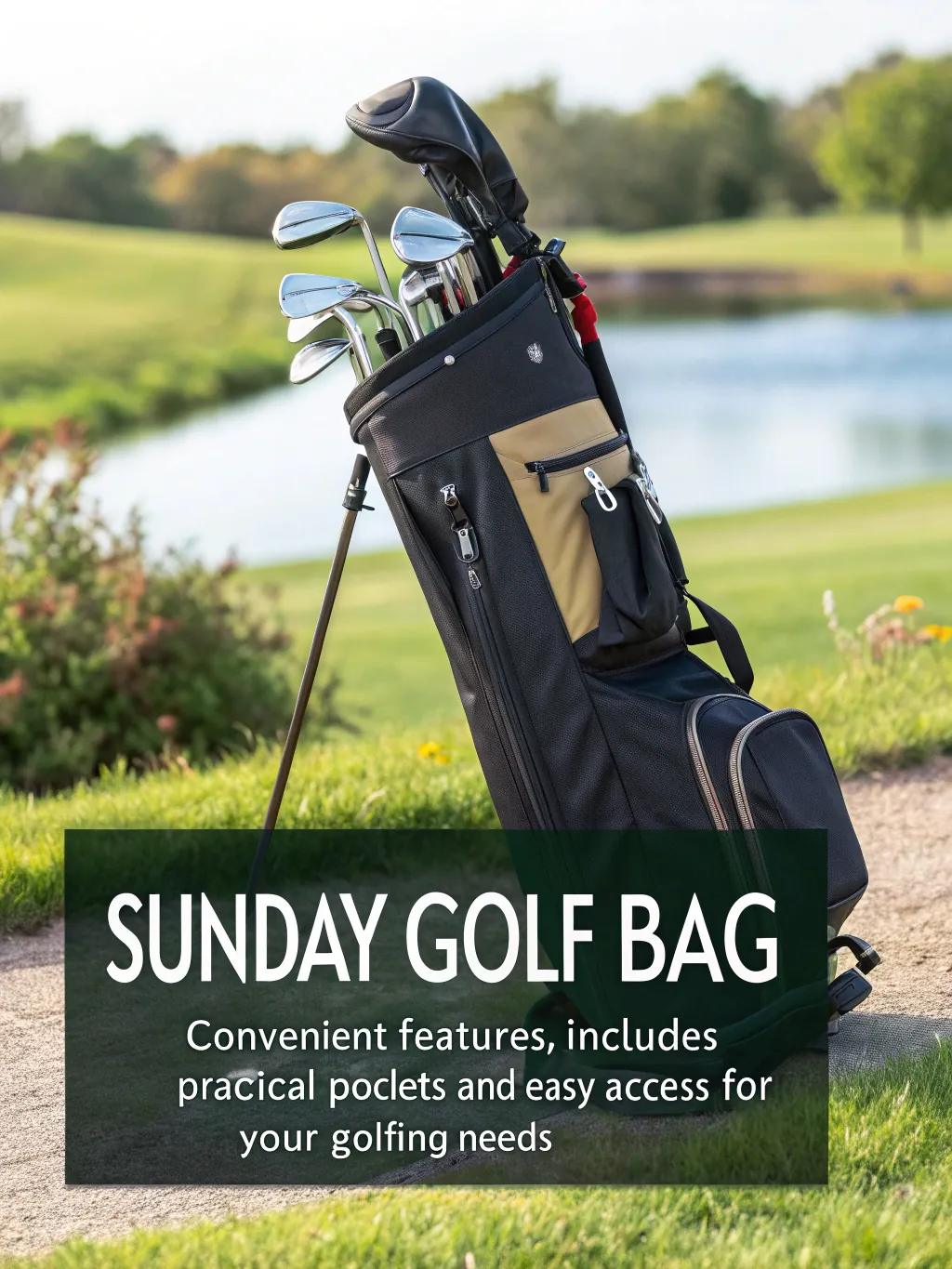
Factory-made golf sunday bags ensure consistency not through luck but through four repeatable controls: graded fabric lots, standardized hardware, documented patterns and a three-checkpoint QC ladder, which together mean the 200th unit of a run matches the sample you approved — a discipline applied across 7 production lines, 126 sewing machines and roughly 200,000 pieces of monthly capacity at QUANZHOU JUNYUAN BAGS. Consistency is the quiet reason one brand's sunday bag sells for years while another is returned after a season: it is not that one factory is luckier, it is that one has built a system where every seam allowance, every zipper pull and every strap junction is produced and inspected against the same written standard. This guide, written from the floor of a Quanzhou affiliated factory founded in 2014 (our founder entered the golf bag industry in 2004), explains exactly how that system works, what buyers should inspect, and how to verify consistency before committing to a bulk order.
Why Consistency Is the Currency of a Golf Sunday Bag
A sunday bag is a deceptively simple product — fewer clubs, fewer pockets, one strap — which makes inconsistency easy to hide and immediately obvious when it appears. A golf bag is carried, dropped, rained on and handed between players, and every batch of a branded program effectively advertises your company. If the first 50 bags have clean seams and the next 50 have crooked bar-tacks, recipients notice, the retailer notices, and the brand pays for it twice: once in returns and once in reputation.
Consistency also drives repurchase. Retailers and distributors reorder a product they trust to be identical to the last delivery; they stop buying one that arrives looking different. From the factory's perspective, uniformity reduces waste, stops rework and protects margin, so a disciplined factory pursues consistency because it is simply cheaper to make every bag the same way than to fix deviations after the fact. That alignment of commercial incentives is the real reason factory-made sunday bags hold a quality edge over loosely assembled alternatives — you can read more about how capacity and order flow interact in our manufacturer selection guide.
Control One: Graded Fabric and Material Lots
Consistency starts before a single stitch, in the fabric warehouse. The same pattern stitched in a lighter, stretchier fabric lot will fit differently than in a heavier, tighter lot, so a serious factory buys cloth in graded lots and records the lot reference against each production order. For a sunday bag, the durability-and-weight sweet spot is most often 600D polyester, with 420D nylon for a lighter feel and 840D for a tougher shell; whatever the grade, the key is that one batch of bags uses cloth from the same lot, not whatever roll is nearest the cutting table.
Colour fastness and weight testing also happen here. A factory pulls a swatch from each received lot and checks the declared denier and shade against the purchase spec, so the shell you see in the sample matches the shell that is cut for bulk. This is the same discipline our golf bag materials guide describes for choosing the right fabric grade in the first place — consistency is much easier when the material itself does not vary.
Control Two: Standardized Hardware and Trim
A sunday bag carries fewer components than a stand or cart bag, which makes hardware consistency both easier and more visible. The critical parts are the zippers on the main compartment and pockets, the single padded shoulder strap together with its junction, the top handle, and the buckles or webbing sliders. A reputable factory sources these from a short list of approved suppliers and traces each component lot, so a zipper that fails in a field test on Monday is not silently substituted with an inferior one on Tuesday to chase a discount.
Zippers deserve special emphasis because they are the most common failure point on any golf bag and the hardest to detect visually. Consistent factories specify a minimum zipper grade and run cycle tests on the main compartments, because a bag that looks perfect but whose zipper jams after thirty cycles is a bag that comes back. Webbing and thread are standardized too — a single-bar-tacked versus double-bar-tacked strap junction is a deliberate spec, not a line operator's choice. You can see how these trim decisions feed into overall durability in our durability and lifespan analysis.
Control Three: Documented Patterns and the Approved Sample
The approved physical sample is the single most important consistency document in a factory. Before bulk production begins, the factory builds a prototype from your design and spec sheet in roughly 10-20 days of sampling, and that approved sample — with written sign-off on dimensions, weight, pocket layout and decoration registration — becomes the baseline against which every production unit is compared. Skilled pattern-makers transfer the sample into a technical pattern pack that any operator can follow, so consistency does not depend on one person's memory.
This is also where the buyer's role matters. A disciplined sample review — measure the empty weight, check club capacity, test strap length, verify pockets and photograph in daylight — catches most inconsistencies before a single bulk unit is sewn. Changes requested after the sample add lead time, which is why locking the design properly the first time is the cheapest way to keep a run consistent. The full inquiry-to-delivery lifecycle, including where the sample sits in the sequence, is mapped in our bulk order process guide.
Control Four: Three-Checkpoint Quality Control
Consistency is enforced, not hoped for, at three checkpoints. The first is incoming material inspection, checking fabric weight, colour fastness and hardware against the spec before anything is cut. The second is in-line 100% inspection during sewing: every unit is checked for seam integrity, bar-tack placement, zipper operation and pocket alignment on the line, so a drifting operator or a worn needle is corrected within minutes rather than at the end of a ten-hour shift. The third is final AQL-based random inspection before packing, sampling a statistically valid number of units from each lot against a permitted defect level.
Factory self-inspection is good, but independent verification is better for a buyer who cannot stand on the line. In 2026-03, our affiliated Quanzhou factory underwent on-site SGS and Alibaba verification, giving brands a third-party confirmation that the capacity and QC described here actually exist. A buyer should always ask how many inspection checkpoints a candidate factory runs and whether it can produce a third-party audit, because that is often the fastest way to separate a consistent factory from a talkative one. Our quality standards guide details the inspection checklists to use on subcontract lots.
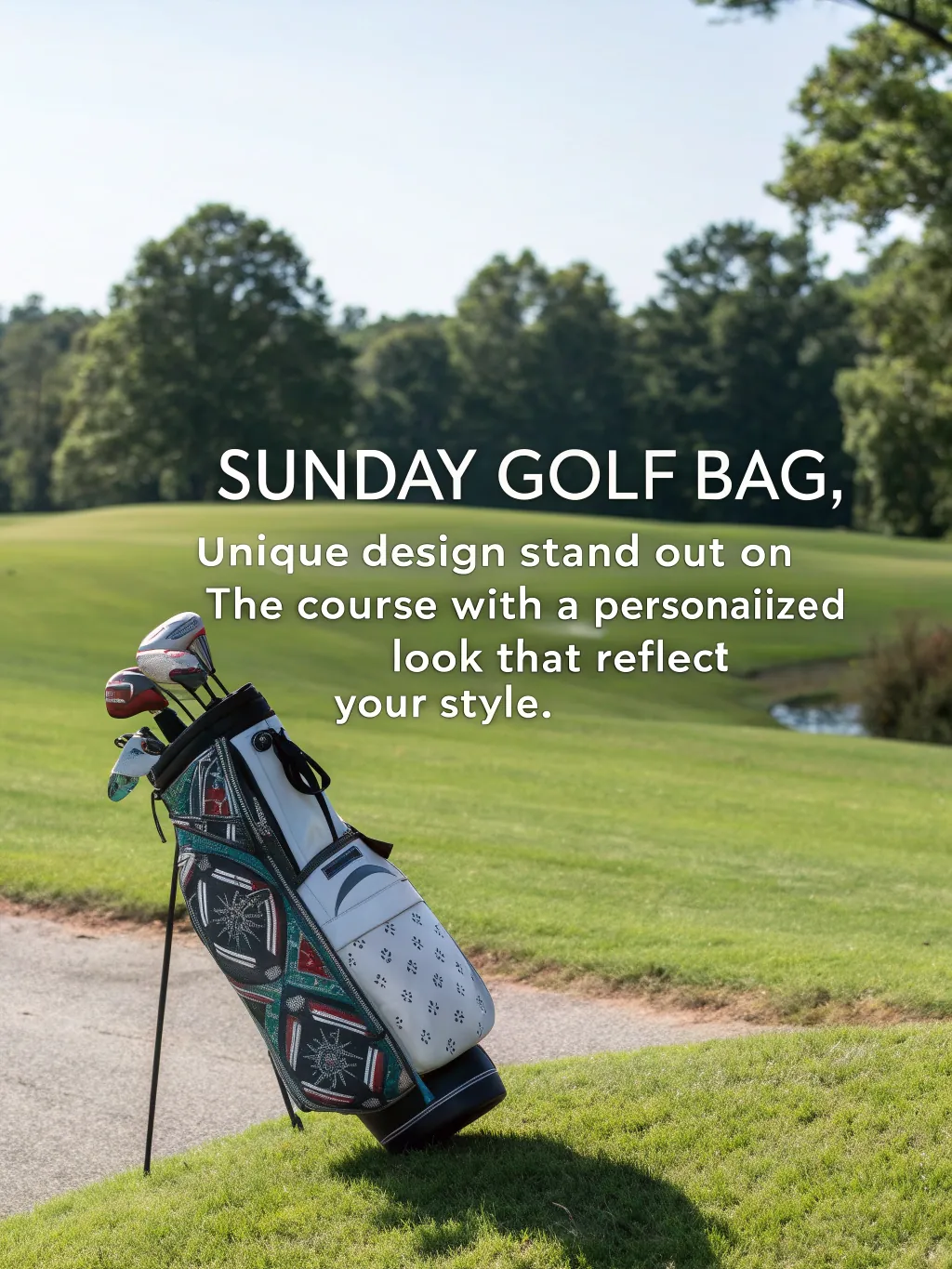
One Baseline, Every Unit
An approved sample plus documented patterns means each sunday bag in a run is compared with the same written standard, not an operator's memory.
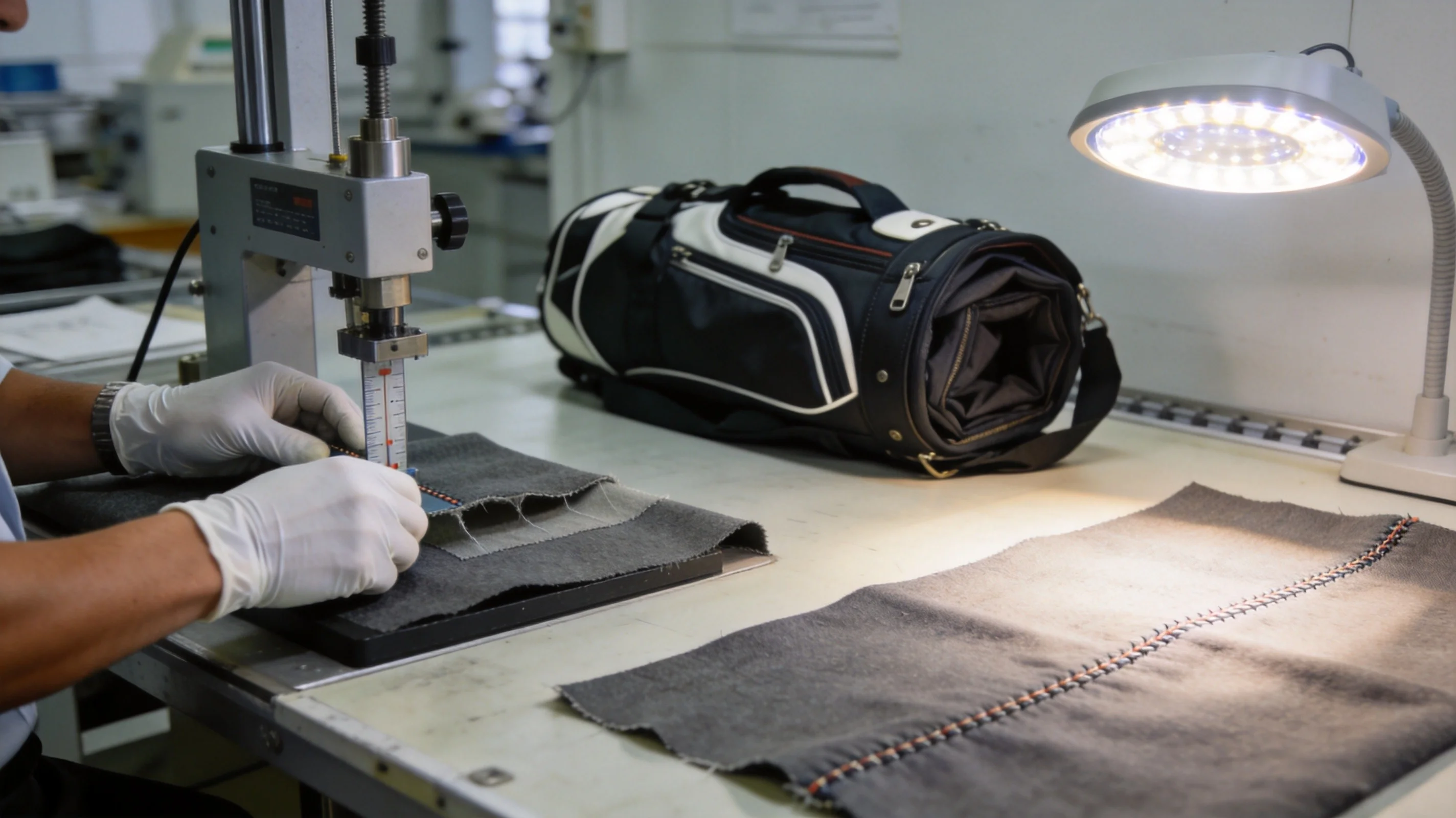
Three Checkpoints, Not One
Incoming material, in-line sewing and final AQL checks catch drift early, when it is cheap to correct and before it reaches your shelf.
How MOQ and Run Size Support Consistency
Minimum order quantities exist partly to make consistency possible. A consistent run needs consistent material purchasing: cutting the same fabric, running the same zippers and setting up the line for one design. That setup cost is only efficient at a minimum scale, which is why the standard custom sunday bag MOQ is 200 pieces per design and colorway, with test orders available from 100 pieces to validate a product before scaling. Below that size, a factory is patching together leftover materials and changeovers, and consistency is the first casualty.
For a buyer scaling a program, the practical implication is: plan your colors and designs so each SKU clears the 200-piece threshold, and combine related sunday bag styles in one order so shipping and QC setup are shared. Brands that standardize their sunday bag lineup on a few proven colorways get better per-unit cost and more repeatable quality than brands that reinvent the bag every quarter. Our wholesale pricing guide shows how MOQ tiers and repeat orders affect the landed-cost picture.
Consistent Customization: Logo and Decoration Registration
For a factory-made sunday bag, decoration is where consistency is most visible to the end user: a logo must land in the same place, at the same size, in the same shade on every unit. Consistent factories control this with a decoration template or jig, a registered design file placed identically on each panel, and a first-piece-of-run check before full decoration runs. Screen printing on a smooth front panel is the most repeatable method; embroidery and woven labels add a premium accent but need more careful tension and placement control across a run.
The other half of decoration consistency is color. Shell and logo colors are matched to a Pantone or PMS reference, and a factory checks the first samples under consistent lighting before committing the run. Because sunday bags spend years outdoors, buyers should also confirm colour fastness to UV and moisture so a consistent design does not fade unevenly. For the full range of marking methods and which fits a sunday bag best, our logo printing and embroidery guide is a practical reference.
Human skill is part of the system too. A consistent factory does not just instruct operators to "sew carefully"; it standardizes how a task is done through written work instructions, calibrated machine settings and periodic skill checks. A new operator sewing a strap junction is shown the approved specimen and measured against it, not left to approximate. When 126 sewing machines run across 7 production lines at our affiliated Quanzhou operation, that standardization of trained hands is what keeps the 900th bag as clean as the first of the day. It is a reminder that consistency is as much a training discipline as a QC one — the inspection ladder catches drift, but trained, repeatable technique prevents most of it from happening at all.
Consistency Across batches, Seasons and Reorders
The hardest consistency to achieve is not within one run but across reorders a year apart. Fabric lots change, suppliers change, a beloved zipper gets discontinued. A disciplined factory holds consistency across seasons by keeping a technical archive of every validated product — the pattern pack, material list, decoration file and the sealed approved sample or its digital record — so a reorder is rebuilt from the archive, not from memory. Responsibility for that archive should be a named function, because it is the difference between an identical restock and a "close enough" delivery.
Buyers can protect themselves by asking a factory to keep a sealed sample and agree in writing that a reorder will be matched to it. Many experienced factories, ours included, will also flag unavoidable substitutions (a discontinued fabric, a new zipper line) proactively and re-approve the change with the buyer before it reaches production. That transparency is what turns a single consistent batch into a consistently reliable brand. Our long-term partnership guide covers how buyers and factories lock this kind of continuity.
The Consistency Specification at a Glance
| Consistency Control | Standard Factory Practice | Buyer Verification | Failure if Skipped |
|---|---|---|---|
| Graded fabric lots | 600D/420D/840D purchased and tracked by lot | Request lot reference and swatch for your order | Shrinkage and shade drift within a run |
| Standardized hardware | Approved zipper/strap suppliers, cycle tested | Ask zipper grade and strap junction spec | Jamming zippers, snapped straps |
| Approved sample baseline | Technical pattern pack + sealed sample archive | Sign off sample; ask for sealed sample retention | Batch-to-batch and reorder drift |
| QC checkpoints | Incoming + 100% in-line + final AQL inspection | Ask for number of checkpoints and audit certs | Small defects shipped at scale |
| Independent verification | On-site SGS and Alibaba verification (2026-03) | Request third-party audit report | Unverifiable capacity and QC claims |
Standard consistency parameters at QUANZHOU JUNYUAN BAGS; exact practice varies by factory, and buyers should verify each checkpoint against their contract.
How Consistency Affects Price and Total Cost
Consistency costs money to build and saves money at scale. Graded fabric, standard-approved hardware, documented patterns and three QC checkpoints all carry a cost line, which is why inconsistently made bags are often cheaper per unit — the savings are carved out of material control and inspection. For a buyer, the relevant number is not unit price alone but total cost of ownership across returns, rework, freight on rejected goods and lost retail confidence.
A consistent factory quote should look slightly more deliberate than the cheapest alternative: line-item material, hardware, decoration and QC rather than a single lump sum. That transparency is itself a consistency signal, because a factory confident in its controls can explain them. When comparing suppliers, weigh a modestly higher per-unit quote against the risk and handling cost of a rejected batch; in our experience the consistent factory wins on delivered cost for anything above a small sample order. Our wholesale pricing negotiation guide walks through how to compare quotes on this basis.
What to Inspect Before You Commit to a Factory
You do not need to become a sewing expert to assess consistency, but you should know what to ask for. Four items separate a consistent factory from a talkative one. First, a decoration and fabric portfolio of real past orders, not renderings. Second, a named list of the fabric and zipper grades they work with by default. Third, a written description of their QC checkpoints — three is a reasonable minimum for a serious sunday bag program. Fourth, third-party verification, such as the on-site SGS and Alibaba audit our affiliated Quanzhou factory passed in 2026-03.
If the volume justifies it, ask for a video audit or visit: production-line discipline — order on the floor, documented specs at each station, trays moving at a consistent pace — is hard to fake and instantly visible. And regardless of visit or not, get the sampling-to-production calendar in writing, because a factory that plans the run in detail is far more likely to execute it consistently. A structured supplier check is precisely what our manufacturer selection guide is designed to help you run.
How Consistent Sunday Bags Fit a Broader Bag Program
Consistency compounds when a brand sources multiple bag types. If sunday, stand, cart and travel bags are all built to the same material, hardware and QC discipline, the entire lineup reads as one premium brand rather than a patchwork. This is why many labels run their sunday bag as the affordable entry point of a consistent family — a low-risk first order that establishes the relationship, the archive and the reorder trust before scaling to higher-cost products.
Because a sunday bag is simpler and uses less material, it is a fast, low-risk test of a factory's consistency system without the complexity of legs, full dividers or cart straps. Brands that validate consistency on a sunday bag then scale to stand and cart bags with confidence. Our golf bag types guide shows where each bag type sits in a coherent catalog, and our sunday carry bag page outlines the configurations a consistent factory can produce.
Frequently Asked Questions
- What makes factory-made golf sunday bags more consistent than manually produced bags?
- Factories combine graded fabric lots, standardized hardware, documented patterns and a three-checkpoint QC ladder, so every unit is built to the same approved baseline rather than an individual assembler's judgment.
- How does a factory hold consistent quality across different batches?
- By locking an approved physical sample as the baseline, purchasing consistent fabric rolls, calibrating sewing and bar-tack settings, and running AQL-based final inspection on every lot.
- How many sunday bags per design are needed for one consistent production run?
- The standard is 200 pieces per design and colorway, with test orders from 100 pieces — enough volume to justify consistent material purchasing and line setup.
- How long does sampling and bulk production take for a consistent custom sunday bag?
- Sampling takes 10-20 days to lock the design, after which bulk production runs 45-60 days. The approved sample becomes the consistency baseline for the run.
- Can a whitelabel buyer verify factory consistency before a large order?
- Yes. In 2026-03 our affiliated Quanzhou factory underwent on-site SGS and Alibaba verification, and buyers can review a decoration portfolio, fabric and zipper grades, and a written production calendar first.
- How can I contact the factory about a consistent custom sunday bag order?
- Email service@junyuanbags.com or call +86 17750020688 for a line-item quotation and a sampling-to-production calendar.
The Factory Verdict on Consistent Sunday Bag Production
Seen from the floor, consistency in factory-made golf sunday bags is a management system, not an accident. Graded fabric, standardized hardware, documented patterns and a three-checkpoint QC ladder — reinforced by independent verification like the on-site SGS and Alibaba audit our Quanzhou factory passed in 2026-03 — turn a simple carry bag into a reliably repeatable product. An approved sample, a 200-piece MOQ (100-piece test option) and sampling in 10-20 days with bulk in 45-60 days give buyers the controls they need to buy with confidence.
Whether you are launching a first sunday bag or rebuilding an inconsistent program, the discipline is the same: lock the sample, standardize materials, demand multiple inspection checkpoints and buy from a factory that can put its controls in writing. QUANZHOU JUNYUAN BAGS has built custom sunday bags since its 2014 founding, serving 200+ brands across 100+ countries from an affiliated 4,950㎡ Quanzhou factory with 7 production lines and 137 staff. Send your spec sheet to contact, service@junyuanbags.com, or call +86 17750020688.
Looking for a Consistent Manufacturing Partner?
Whether you need custom sunday bags, stand bags, cart bags or travel covers, our team is ready to bring your vision to life with factory-direct pricing. Test orders from 100 pieces, sampling in 10-20 days, bulk production in 45-60 days, with a documented QC system you can verify.
Request a Bulk Quote →