How Golf Stand Bags Improve Posture While Carrying Clubs
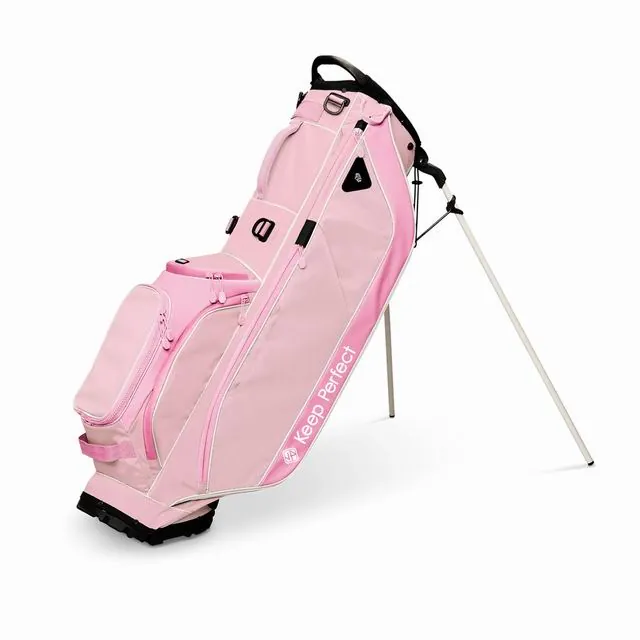
A well-designed golf stand bag improves posture while you carry clubs by spreading the load evenly across both shoulders with a balanced dual-strap system, keeping the centre of gravity low and close to the spine, and hugging the body with a breathable padded back panel — all of which help you stand tall with relaxed shoulders rather than slumping or leaning to one side across a long round. Posture is not fixed by a bag alone, but the right bag removes the biggest causes of bad carrying posture: an unbalanced load that tilts you, straps that pull on one shoulder, and a bag that sways with each stride. This guide from QUANZHOU JUNYUAN BAGS (founded 2014, serving 200+ brands across 100+ countries) explains how stand bag engineering supports a natural, upright carry.
How a Bag Shapes Your Posture
A golf bag exerts a constant pull on your body for the three to five hours you carry it, and that pull decides the shape of your spine during the round. Carry the load well-balanced and close to the body, and your torso stays long, your shoulders level and your neck relaxed. Carry the same load unbalanced, too high, or too far from your back, and your body compensates by hunching, leaning or twisting. This is not a subtle effect; accumulated over thousands of swings it influences how your back feels at the end of a season.
The reality of the swing adds to the pressure. During the address and the follow-through your spine rotates, and a bag that swings or wobbles on the shoulders forces the torso to work against the load just to keep balance. A bag that holds still and hangs true lets the spine do its job without wrestling a moving load. That is why the physical design of the bag — straps, centre of gravity, back panel and fit — does the real posture work, and a golfer's habit simply keeps it in line.
Your posture while carrying is a response to the bag on your body. If the load is uneven, your body leans and compensates; if the bag swings, you tighten; if it digs in, you hunch. A golf bag influences posture the same way a backpack does — through how it distributes weight, how it sits on the shoulders, and how stable it is as you walk. The better the bag keeps the load centred and close, the easier it is to stay upright and natural.
It helps to picture the opposite, because everybody recognizes it: a walker with a heavy bag on one shoulder leaning noticeably to that side, or a golfer hunched forward with a sagging single strap. These are not personalities; they are physics. The body is always negotiating with the load. When the load is balanced and close, the negotiation is easy and invisible. When it is unbalanced, distant or loose, the body throws visible, tiring compromises into every step. Posture is simply the visible record of how well that negotiation is going.
The chain is simple: balanced load → neutral spine → relaxed shoulders → comfortable, upright walk. When any link breaks — a heavy side, a loose swaying bag, a digging strap — the body compensates by leaning, hunching or tensing, and that compensation is fatigue and strain by the later holes. Understanding this is why a posture-friendly bag pays off all round, not just at the first tee. The ergonomics behind this are detailed in our ergonomics and comfort design guide and ergonomic benefits of high-end stand bags.
Balanced Dual Straps and a Neutral Spine
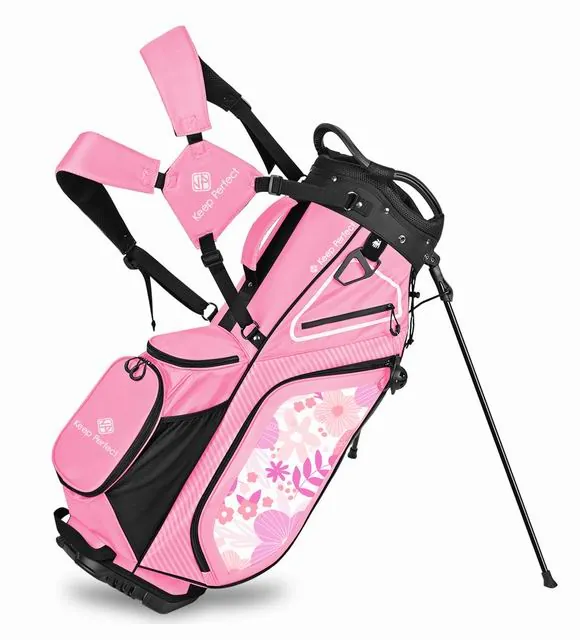
The single biggest posture factor is the strap system. A balanced dual-strap arrangement distributes the weight of the bag across both shoulders and the upper back, keeping the spine in a neutral, upright position instead of forcing you to lean to one side as a single-strap bag does. When the two straps pull evenly and the load hangs centered, your shoulders naturally sit level and your torso stays tall. It is the mechanical difference between carrying a bag properly and carrying it awkwardly.
The mechanics are worth spelling out. With a one-strap carry the whole weight hangs on one shoulder, and the natural response is to tip the head and torso toward the heavy side to keep your balance — a posture you hold for an entire round. With balanced straps, the force splits into two vertical vectors running down either side of the neck, so the spine stays the centre and neither shoulder has to carry or tilt for the weight. That is why a proper dual-strap bag changes not just comfort but the shape of the body holding it.
For the posture benefit to actually register, the straps must be adjusted to your body so the weight rides high and close, not low and away. Straps that are too loose let the bag drop and pull your shoulders forward; straps tuned snug keep the load against your back and your spine aligned. A breathable sternum strap or waist stabilizer, found on higher-end bags, further locks the bag in place so a good posture is maintained, not drifted. For the full carry mechanics, see strap design and carry comfort and weight distribution.
Low, Centred Centre of Gravity
A bag that keeps its weight low and centred close to the spine is genuinely easier to stand tall with. When the heaviest part of the load sits low in the bag and tight against your back, the bag's centre of gravity stays close to your body's own midline, so you do not have to lean back or sideways to balance it. This reduces the constant small corrections that a high, swinging load forces, and it is one of the quietest but most valuable posture benefits a premium bag provides.
Think of a farmer carrying a bucket at the end of a long pole: a weight near the body is easy to keep upright, while a weight held far out on the pole drags the whole frame off balance and pulls the back and core into constant compensating work. The same law governs a golf bag. A bag that holds the load low and tight to the spine is effectively doing that support for you, letting the stronger frame of the torso and hips carry it instead of the neck and mid-back.
Balance is not just about where the bag's hardware sits — it is about how the clubs and gear load in when you fill it. A bag with good internal structure keeps heavy items sitting where they should, low and stable, so the carried load behaves. The result is a bag that moves with you naturally, keeping your head and spine stacked rather than fighting your balance on every step. This weight-distribution principle runs through weight and portability and carry load guide.
Comfortable Fit Prevents the Hunch
A bag that fits properly against your back discourages the hunch that plagues so many walkers. When a bag is too wide, too high or sags away from the body, you instinctively round your shoulders and tilt forward to manage it — a posture that strains the neck and upper back. A snug, contoured back panel follows your spine and keeps the bag in place, so you can stand tall and let the bag hang comfortably rather than holding it up with your shoulders.
Size matching to your frame matters as much as the panel itself. A bag sized correctly to the golfer's back, with straps adjusted to height and shoulder width, is the difference between a natural carry and a compensating one. For shorter and taller golfers, this exact fit is why a "one size" bag so often leads to poor carrying posture; the guidance in our sizing and fit guide and choosing a walking bag helps you get the fit right.
Note also how the bag rides when your hands are free. When you strap in properly and the bag is sized to your torso, you should be able to walk with your hands relaxed at your sides. If you constantly reach back to steady the bag or push it into place, that is a signal the fit or the strap system is off, and the resulting one-sided tension is exactly the kind of load that quietly disturbs posture. A bag that sits true solves this at the source.
Posture Benefits Across Bag Types
Not every bag supports posture equally, which is why the choice of carry type matters. A compact Sunday bag may hold only a handful of clubs and be worn lightly, while a full-sized stand bag and a cart bag carry entirely different loads. Seeing them side by side clarifies where a posture-friendly build earns its value.
| Carry Type | Posture Impact | Best For |
|---|---|---|
| Single-strap carry | Leans spine, imbalances | Short, occasional carry |
| Basic dual strap | Improves balance | Occasional walkers |
| Balanced dual strap + sternum | Neutral spine, upright torso | Regular walking golfers |
| + waist/hip support | Transfers load to hips, less strain | Long rounds, older players |
Representative posture impact by carry configuration.
How the Right Bag Protects Your Back
The direct link between bag design and back health is why posture-friendly construction gets so much engineering attention. A bag that keeps the load centred and close to the spine reduces the twisting and leaning the lower back has to absorb, and a stable, non-swinging bag spares the core from constant corrective work. Over a day of walking this protection is easy to feel; over a season it shows up as less strain and more rounds you are happy to play.
Good posture is genuinely a back-health tool. Carrying an unbalanced bag regularly can reinforce muscle imbalance and nagging back strain; a balanced carry keeps the load on the stronger structures and the spine aligned, which reduces that strain. For golfers who walk a lot, this protection compounds over a season — the right bag keeps you playing rather than resting. Even a few rounds a month, multiplied by the years you play, makes the choice meaningful.
Beyond bags, posture while carrying is helped by a few habits: stand tall at the tee box when you put the bag on, tighten both straps before you start walking, and stay aware of any tendency to lean into the load. When your bag lets you walk naturally, these habits are easy to keep. The long-term perspective on this protection is explored in walking vs riding bag choice and ergonomic benefits.
Better Posture, Better Golf
Carrying posture is not just about avoiding ache; it feeds directly into how you swing. A neck and spine that stay long and relaxed through the walk arrive at each shot with more freedom of rotation, a more level shoulder line and better balance over the ball. Golfers who carry a bag that keeps them standing tall often report a more repeatable posture and less fatigue late in the round. When the body is comfortable, the swing does not have to fight tension that began on the previous fairway.
Posture matters for your game, not just your comfort. A golfer who stands tall and relaxed through a round keeps a more consistent swing, because fatigue does not drag down their setup and posture change from the practice swing to the seventieth. Conversely, a walker who spends the back nine hunched and compensating brings that tension into every shot. The fresh, upright carry that a good bag supports translates directly into steadier play and better scores for those who walk.
There is also a stamina benefit: a balanced carry uses less energy just standing and walking correctly, so more energy stays for the swing. For the walker who wants to play more rounds and recover faster, supporting posture with the right bag is one of the simplest gains available. The fatigue/performance link is expanded in stand vs Sunday bag practicality and lightweight carry features.
Sourcing Posture-Friendly Stand Bags
For brands, posture is a strong selling point that customers feel immediately in a lift test. A posture-friendly spec centres on the strap geometry, the back-panel shape and the balance point, all of which must be engineered at the pattern stage rather than added later. Standard factory terms apply: 200-piece MOQ per design and colorway, 100-piece test orders, sampling in 10-20 days and bulk in 45-60 days, with the fit and strap tune verified on a prototype before a large run.
At QUANZHOU JUNYUAN BAGS we have built balanced, comfortable carry bags since 2014 across 7 production lines. For range planning, see stand bag range and OEM/ODM services, and custom solutions for branding onto your posture-friendly build.
Frequently Asked Questions
- Can a golf stand bag actually improve posture?
- Yes, when well designed. A balanced dual-strap system with a centred, low load and snug back fit helps keep the spine natural and the torso upright, reducing the slouch and single-side lean of a poor carry.
- How do dual straps help posture?
- Balanced dual straps spread weight evenly across both shoulders, keeping the spine neutral instead of leaning to one side, and stop the bag from pulling the body out of alignment.
- What is the best posture for carrying a golf bag?
- Stand tall with shoulders relaxed and the load centred close to your back, use both straps, tighten them snugly, and walk naturally rather than leaning forward or slumping.
- Do stand bags protect your back?
- A well-designed, balanced, padded stand bag reduces the strain on the spine and back compared with an unbalanced single-strap carry, and protects you especially if you walk regularly.
- What does good posture do for your golf?
- Better posture keeps you fresher through the round, helps you avoid fatigue-related swing changes and reduces the risk of back, neck and shoulder strain, so you play better and longer.
- Can I source posture-friendly stand bags for a brand?
- Yes. Factories build balanced, posture-supporting stand bags at a 200-piece MOQ per colorway with 100-piece test orders, sampling in 10-20 days and bulk production in 45-60 days.
Habits That Reinforce Good Carrying Posture
A good bag supports posture, but your habits reinforce it. Put the bag on both straps before standing tall, so you do not start hunched; adjust the straps snugly so the load sits high and close to your back; and reset your posture at each tee box rather than letting it drift down a long walk. Keep heavy items low in the bag, and use the sternum or waist stabilizer if your bag has one, to hold the load still against you. These little routines, combined with a balanced bag, keep a good posture the default.
It is also worth checking your posture mid-round, especially after a long carry uphill or in heat. A five-second reset — shoulders back, chin level, weight settled — restores the natural frame that a good bag is designed to keep. Over a season, these small resets add measurable protection and comfort. The ergonomics and fit that make them easy are covered in ergonomics and comfort design and fit guide.
Plan the walk as well as the carry. On a long, hilly course, slow down slightly on the uphill sections and let your breathing settle rather than pushing into a hunched burst. Keep your non-dominant arm gently loose at your side so you do not build a one-sided carry pattern. If you walk with a range bag or practice bag, apply the same low-and-tight packing habit there, because the habits you rehearse in practice become the habits you keep on the course.
Finally, pay attention to the ground you cross. Uneven terrain, wet grass and cart-path curbs all change the way the bag sits on your back for a few steps. Allow your knees to act as shock absorbers on bumpy stretches, keep the bag's own centre of gravity aligned with yours, and reset after crossing. Used together, a balanced bag, thoughtful packing and a few watching habits turn good posture from an occasional intention into a consistent part of every round.
Factory Verdict: Posture Is Engineered, Then Maintained
Posture while carrying is not achieved by willpower alone — it is enabled by a bag that distributes weight evenly, keeps the load centred and low, fits snugly against the body and supports an upright torso. The balanced dual strap, low centre of gravity and contoured back panel are the engineered half; your posture habits are the maintained half, and together they keep you standing tall, comfortable and fresh over 18 holes and many seasons.
The standards behind those features matter. A properly padded strap, a centred harness layout and a back panel that follows the spine are choices a designer makes before a bag ever reaches a golfer, and they cannot be added later. That is why the most reliable way to guarantee posture-friendly construction is to source from a factory that builds carryable specs into the pattern and seam line from the first sample — and that verifies them through real walking tests, not just a spec sheet.
At QUANZHOU JUNYUAN BAGS we build the balanced, comfortable bags that make good posture effortless, since 2014. If you want a posture-friendly spec or a line for your brand, reach us at contact, service@junyuanbags.com, or WhatsApp +86 17750020688.
Stand Tall on Every Round
Prototype a balanced, posture-friendly stand bag. Test orders from 100 pieces, sampling 10-20 days, bulk production in 45-60 days.
Request a Bulk Quote →