How to Request Golf Bag Samples Before Placing a Bulk Order
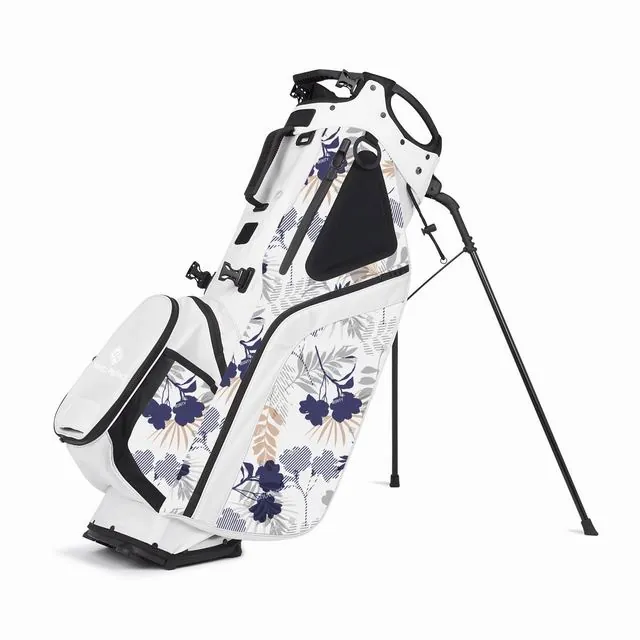
The right way to request golf bag samples before a bulk order is to send the factory a frozen, written specification with your target fabric, hardware, dimensions, branding placement and quantity, then evaluate the sample against that same written standard — not against memory or a competitor's bag. At QUANZHOU JUNYUAN BAGS, sampling typically takes 10–20 days and is followed by bulk production of 45–60 days across 7 production lines with 126 sewing machines; a 100-unit test order complements the 200-unit standard MOQ. A well-run sampling phase is your lowest-cost insurance, because it protects a bulk investment worth thousands before a single production run begins.
Why Sampling Is a Non-Negotiable Step
Every serious golf bag order should begin with a sample because the distance between a rendering and a physical product is where most quality surprises live. Stitch tension, zipper pull, stand hinge tolerance, pocket geometry and fabric hand cannot be judged from a mock-up. A physical sample converts your specification into a measurable object and gives both you and the factory an unambiguous reference for the bulk run. Skipping this step to save days almost always costs more in rework and dissatisfied distributors later.
Sampling is equally valuable for brand consistency. When you sell private-label or branded golf bags, the sample establishes the exact colour, weave, embroidery density and logo placement your customers will receive. A factory that can reproduce a sample faithfully at scale is demonstrating the discipline and process control you need for a lasting relationship. This is the foundation of how we work with 200+ brand partners serving 100+ countries from a facility verified by SGS and Alibaba in March 2026.
Prepare a Written, Unambiguous Specification
Your sample is only as good as your specification. Before you contact the factory, write down everything that matters: bag type and capacity, overall and internal dimensions, fabric and material with weight or denier, colour scheme with references, hardware (zippers, buckles, stand mechanism, straps, dividers), branding technique and placement, inside organisation, and any compliance or labelling requirements. Include your quality expectations for stitching, reinforcement and finish so the factory can price and build accurately from the start.
Reference materials make the brief even stronger. Attach colour chips, print a competitor's product photo you are benchmarking, or share a hand sketch. The more concrete the reference, the fewer rounds of sampling you need. A disciplined specification shortens the 10–20 day sampling window, reduces iterations and keeps costs predictable. Ambiguity is expensive; clarity is cheap reflection before production.
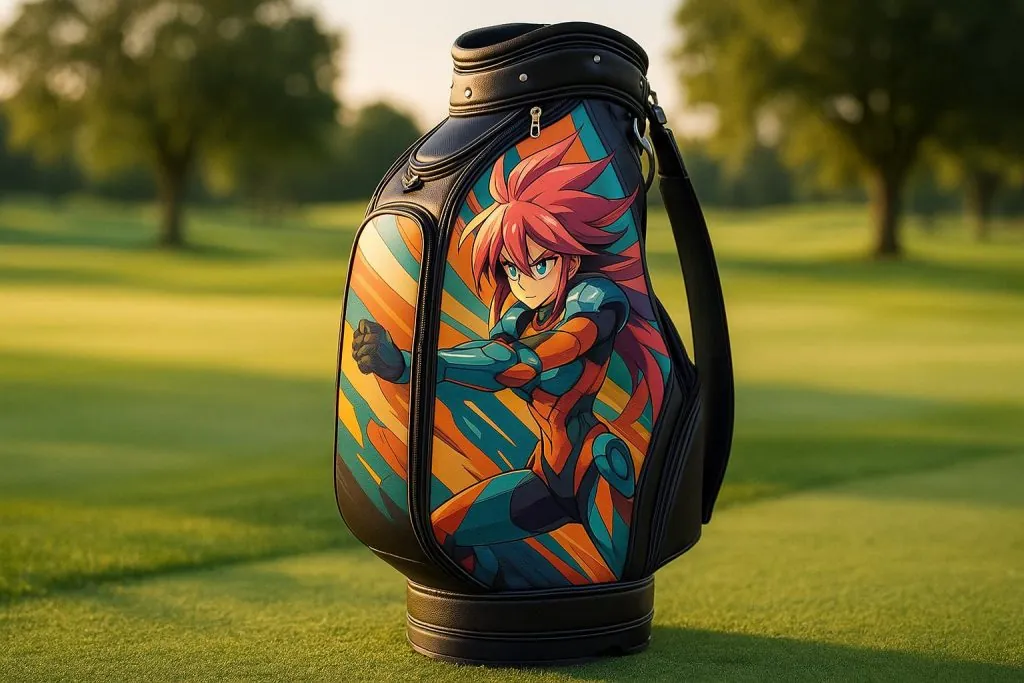
Lock the Artwork Early
Confirm logo vector files, placement and technique (embroidery or print) during sampling so branding is consistent in bulk.
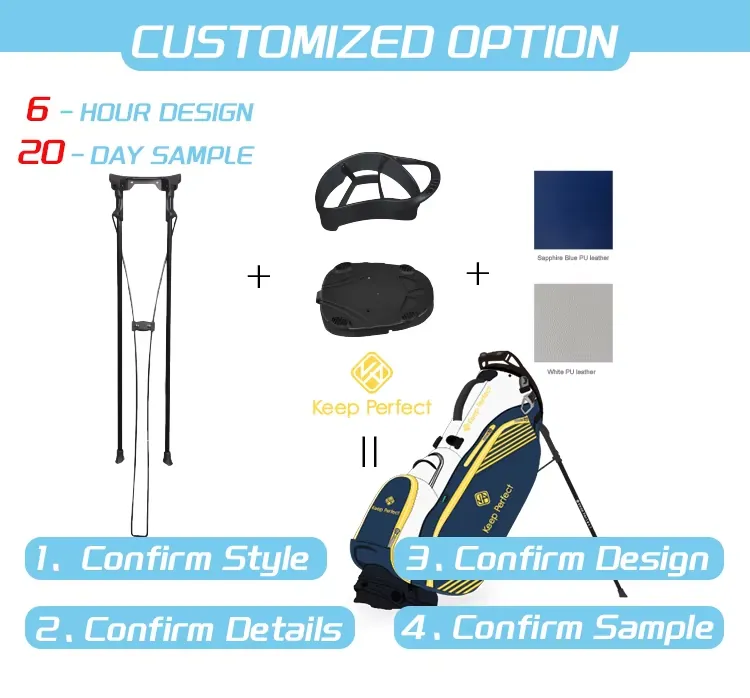
Measure Against the Spec
Evaluate the physical sample against the written specification, not against memory, to set the bulk quality standard.
Sample Types You Should Know
| Sample Type | Purpose | When to Use |
|---|---|---|
| Development / mock-up | Validate shape, layout and proportions | Early concept stage |
| Pre-production / sales sample | Confirm material, hardware, branding and finish | Before bulk commitment |
| Gold standard / frozen sample | Becomes the benchmark for the bulk run | Upon final approval |
Many buyers begin with a development sample to check the concept, then approve a pre-production sample as the bulk standard. Because every sample round consumes calendar days, combine both evaluations into as few iterations as possible by freezing your spec early. The frozen sample signature, copied back to the factory in writing, is what protects both parties when the bulk order is measured against it.
How to Ask for a Sample Clear
When you contact the factory, be direct and organised. Introduce yourself, state the bag type and quantity, attach the written specification and references, and ask specifically for what you want to see in a 10–20 day sampling window. Ask whether the sample is chargeable and how the cost is applied. Many factories, including ours, apply sample fees toward the final order, which is worth confirming in writing before you pay so there are no surprises.
Also confirm the sample's shipping method, cost and tracking. A single sample may travel by courier and reach you quickly, but the cost and speed matter less than the clear question of whether your satisfied sample becomes the bulk benchmark. State plainly that you will reference this sample against the production run, and ask the factory to keep records of the exact material and hardware used so nothing drifts.
Evaluating the Sample: A Practical Checklist
Put the sample through a structured set of checks rather than trusting first impressions. Verify the dimensions and capacity against your spec, test every zipper and closure, open and close the stand mechanism, weigh the bag, inspect stitching density and reinforcement at stress points, evaluate the fabric hand and waterproof coating if specified, and confirm branding placement, alignment and technique. Take photos from all angles and note which details meet, exceed or miss your expectations.
Record your findings in writing and share them with the factory. If the sample needs adjustment, specify the change precisely, for example "increase stitch density to 8 stitches per inch on the handle reinforcement" rather than "make it stronger." A factory that responds with a corrected sample and clean documentation is demonstrating the process control you want at scale. This evaluation discipline is exactly how our clients turn sampling into a reliable prelude to bulk.
Ready to Start With a Verified Sample?
Share your specification with our SGS- and Alibaba-verified facility in Quanzhou. We will advise on sampling (10–20 days), test orders from 100 units, and how sample costs apply toward your bulk order.
Request a Sample →From Sample Approval to Bulk Production
Once you approve the sample, the focus shifts to protecting that standard. Confirm the factory has the frozen sample and spec on file, identify the material and hardware team responsible, and agree on the quality-control gates during bulk production of 45–60 days. Establish how many units will be inspected, at which stages (incoming materials, sewing, finishing, packing) and what the rejection and rework tolerance is.
Aligning the bulk order to the sample also means locking the timeline: agree the production start week, the mid-production inspection point and the expected ready date so your freight and selling season stay on plan. A clear hand off from sample to bulk turns a good prototype into a repeatable product. This disciplined transition is why brands can scale from a 100-unit test to full 200+ PCS MOQ runs with confidence.
Related Guides to Read Next
Sampling sits within the full manufacturing journey. Review the steps on our sampling and OEM/ODM services pages, understand the broader workflow in the OEM/ODM process guide, and see how to validate quality in the quality standards guide. When choosing a supplier to sample from, our factory selection guide and the manufacturer selection guide are useful companions.
Common Sampling Mistakes to Avoid
A few errors undermine the whole purpose of sampling. Asking for a sample without a written spec produces a bag you cannot fairly judge. Approving on an unfinished development sample and expecting bulk-grade finish is unrealistic. Comparing samples from different factories without identical specifications is meaningless. And failing to freeze the sample signature makes the bulk run impossible to hold accountable. Each mistake costs time and confidence.
The counter-discipline is simple: write the spec, sample against it, evaluate systematically, request precise corrections, then freeze. When both you and the factory hold the same physical standard, forecasting, pricing and quality all become predictable. That predictability is the real deliverable of sampling, and it compounds across every order you place with a reliable partner.
The Different Types of Golf Bag Samples
Before you request a sample, understand which type you actually need. A stock or reference sample simply shows an existing production model, is usually quick and low-cost, and helps you evaluate the factory's general quality and finish. A proto or development sample reflects your custom specification with your chosen fabric, colours and branding, and is the closest preview of your bulk product. Choosing the right level saves both time and money while still giving you the confidence you need.
The sample's purpose should drive your request. If you are comparing factories, a reference sample across two or three suppliers is the efficient way to judge baseline quality. If you are preparing to place a bulk order or build a private-label range, a custom development sample is essential because it verifies that the factory can reproduce your exact spec — colours, seams, logos and hardware — at the standard bulk runs must match. Ask which type you are being sent and what it does and does not validate, so there is no ambiguity when you compare results.
Sampling itself is a window into how the factory will behave at scale. Note how promptly the factory quotes and delivers the sample, how clearly it communicates, and whether it flags any specification questions before sewing. These behaviours are early signals of communication quality in bulk production. Because sampling runs 10–20 days at our facility, a factory that is organised and responsive during sampling is far more likely to manage the 45–60 day bulk window reliably toward your launch date.
What a Good Sample Request Should Include
A precise request produces a better sample and a faster path to approval. Provide your bag type and dimensions, fabric with Pantone or colour references, the exact hardware and, where relevant, the logo file and branding placement. Fix these in writing and attach them to a short brief, so the factory and you share one unambiguous specification. Vague requests force assumptions, and each assumption is an opportunity for the sample to miss your expectation and the schedule to stretch.
Clarify the acceptance criteria before sewing as well. State which measurements, features and finish points are mandatory, and tell the factory how you will evaluate the sample. If you are testing waterproofing or specific construction details, say so, because a factory that knows the evaluation can build toward it. The higher the clarity, the more the sample becomes a reliable predictor of bulk yield rather than just a pretty prototype, which is what protects your capital when you move to the 200-unit MOQ.
Finally, confirm commercial terms for the sample upfront: the sample fee, whether it is refundable against a bulk order, the lead time and the shipping method. Sample fees are common and reasonable, and many factories offset them against the first order to demonstrate partnership. Getting these terms in writing before the sample is made avoids awkwardness later and keeps the relationship professional. The discipline you apply to sampling sets the tone for disciplined bulk production.
How to Evaluate the Sample Objectively
Evaluating a sample is more than eyeballing it; it is a structured check against your spec and your market. Measure critical dimensions against your written figures, inspect fabric and colour against the Pantone or sample referenced, and work the zippers, straps, dividers and any organisational features to confirm they function. For a sample you intend to scale, also check stitching consistency, seam reinforcement and finish tolerances, because these predict how uniform your entire bulk run will be.
Test the sample the way real golfers will, not just the way a reviewer would. If the bag will sit on a cart, confirm cart fit; if it will be carried, assess comfort and balance when loaded. If a waterproof or weather-resistant claim matters, subject the relevant seams and closures to a water test. This practical validation catches issues that a visual pass misses and links directly to the quality standards guidance in our resource library, so the approved sample genuinely stands for what customers receive.
Document the evaluation with photos, notes and, where useful, a short results table that tracks each point against the spec. Share the results with the factory so any required changes are specific and confirmable, and request a revised sample if anything material did not meet standard. Keeping the evaluation written and shared turns a one-off approval into a reference standard that anchors every future order and guards the consistency your brand promises.
Turn Sample Feedback Into Better Bulk Specs
The sample process should do more than approve a single product; it should harden your bulk specification. Capture every adjustment you make during sampling — the pocket placement that felt wrong, the strap tension that was off, the branding size you refined — and fold those changes into the written bulk brief. By the time you approve the final sample, your specification has been stress-tested against real feedback rather than shipped from an untested sketch. That refined spec is what the factory will follow across the 45–60 day bulk run and every reorder after.
A written change log between you and the factory keeps the improvements traceable. Record what changed, why, and when it was agreed, so there is no ambiguity about which version is current. This is especially important when multiple people or teams are involved, because memory drifts under the pressure of a shipping deadline. The discipline of documenting feedback now prevents the same corrections from recurring on the next batch, which is a quiet but powerful driver of lower waste and fewer returns.
Finally, use the sampling round to confirm that your target price is still realistic once you make your refinements. When a desired feature adds material or labour, understand its cost impact before you lock the spec, rather than after. Evaluating the sample alongside its cost lets you trade features against margin while they are still easy to change. Sampling that combines quality validation with cost reality produces a bulk specification that meets your market and your margin together.
Tying the Approved Sample Back to Bulk
The approved sample should not be a checked box that closes the chapter; it should be the anchor that keeps every bulk order consistent. When you place the bulk order, refer explicitly to the approved sample and its written specification, and confirm the factory builds to that reference rather than to memory or a newer, unapproved version. Any approved change should be documented and shared, so the sample remains the single, unambiguous standard every inspection gate checks against. This linking step is where sample quality becomes bulk quality.
Review the sample at the biting point of the full production run. Agree how many units are inspected, at which stages, and how deviations are treated, so that what you approved is what is actually shipped. A factory that reproduces the sample on a test order of 100 units, then on the 200-unit MOQ, is proving the process that will protect every future batch. Independent verification, such as the SGS and Alibaba audits completed in March 2026, adds confidence beyond the sample itself.
Finally, keep the connection alive across reorders. As your line repeats, reconfirm the sample reference and any refinements each time, so a fast-selling model does not slowly drift from the standard your customers approved. When sampling is fully wired back into bulk production, the sample becomes the foundation of consistent, dependable quality rather than a one-time milestone, and that consistency is exactly what builds trust with retailers and end customers.
Making Sample Requests Efficient for Repeat Runs
For repeat buyers, an efficient sample process saves time and keeps quality consistent. Build a library of your approved specifications and reference samples, so a reorder can be confirmed quickly rather than re-specified from scratch. When you adjust a colourway or feature on an existing model, request a focused revision sample rather than a full redevelopment, which shortens the 10–20 day window and holds cost down. A documented spec library is the foundation of fast, accurate repeat sampling.
Coordinate your sampling calendar with production so momentum is not lost. Time sample requests to clear the path for the 45–60 day bulk window, and confirm that approved samples feed directly into the next order without a pause. Because many factories (including ours) offset sample fees against a first bulk order, keep track of those credits so your repeat sampling remains economical. This link between sampling and production keeps a steady product pipeline flowing.
Finally, review your sample history periodically to refine your specs. Patterns in revisions — a recurring strap complaint, a colourway mismatch, a zip issue — point to improvements you should bake into the base spec so future samples start closer to final. Continuous refinement turns the sample process from a necessary step into a genuine product-quality engine. Efficient, documented, cross-linked sampling is how a mature buyer keeps bulk quality high and lead times dependable.
Frequently Asked Questions
- How long does golf bag sampling take?
- At QUANZHOU JUNYUAN BAGS sampling typically takes 10–20 days, depending on specification complexity and how quickly the design is frozen.
- Is the sample fee applicable to the bulk order?
- Many factories apply the sample fee toward the final order. Confirm this in writing before paying so you know whether the cost offsets your bulk invoice.
- Can I order a small test run before bulk production?
- Yes. A 100-unit test order complements the 200-unit standard MOQ, letting you validate quality in real production before committing to a larger run.
- What should I evaluate on a golf bag sample?
- Check dimensions, capacity, zippers, stand mechanism, weight, stitch density, fabric and coating, plus branding placement and finish, all against your written specification.
- How do I make the sample the bulk quality standard?
- Freeze the approved sample in writing, confirm the factory keeps it on file with your spec, and agree the quality-control gates for the 45–60 day bulk production.
- Why verify the factory before sampling?
- Independent verification (such as SGS and Alibaba, March 2026) confirms labour, materials and process controls are real, so your sample and bulk run come from a reliable source.
Sources
- SGS — independent inspection and factory verification services for pre-production quality assurance.
- Alibaba — supplier verification and cross-border sourcing platform references.
- ISO — international management-system and quality standards used in manufacturing and testing.
- USGA — golf equipment standards and conduct references for tour-conformity considerations.