Golf Bag Storage and Organization Systems in 2025: The Complete Guide
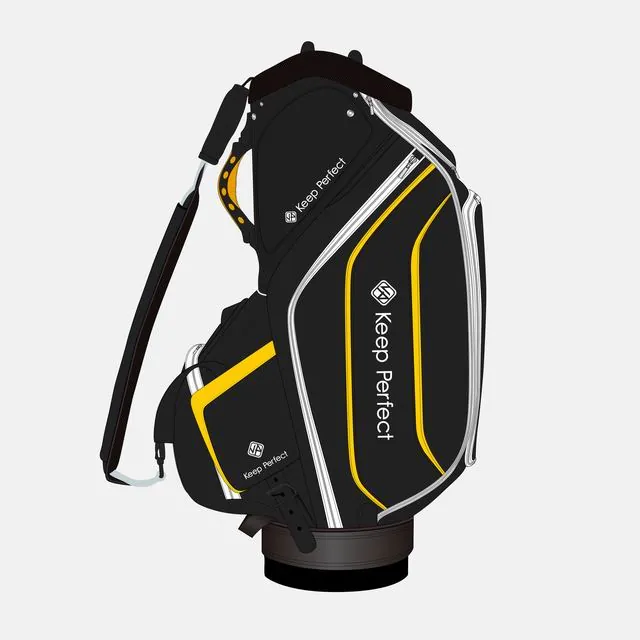
Organising your golf bag in 2025 comes down to three rules: use full-length dividers so clubs never grip each other, put frequently used items in quick-access top and hip pockets, and run a modular system - a permanent core of essentials plus removable season-specific pouches - so the bag stays lean, light and fast round after round. A well-organised bag is faster, lighter and protects your clubs better, which is exactly why we design bags for 200+ brands across more than 100 countries at our affiliated factory, QUANZHOU JUNYUAN BAGS (founded 2014, our founder active in the industry since 2004). This guide is the complete storage and organization system we build and recommend.
Why Golf Bag Organization Matters More in 2025
Golf bag organization is not about neatness for its own sake - it directly affects how fast you play and how well your clubs survive. A poorly organised bag means digging, wasted time, clattering clubs and damaged grips. A well-organised bag means you reach for the glove and have it, pull a club smoothly without it catching another, and finish your round in less time and with less frustration.
Modern bags have risen to meet this with better dividers, smarter pocket layouts and more purpose-built accessories. In 2025 the expectation is that a bag works as a system, not just a container. The best players treat their bag as a tool they optimise, and the organisation system is the part they refine continuously.
There is a protective payoff too. Organised clubs in full-length dividers collect less grass, grit and moisture, stay quieter and suffer less abrasion. Organised pockets mean nothing gets lost, buried or forgotten at the bottom of the bag. Good organization is half of good equipment care.
Start With the Dividers: The Foundation of Organization
The divider system is the structural heart of golf bag organization, because it controls how the clubs sit and how easily you pull them. Full-length dividers run all the way down the bag, separating each club or club group from its neighbours so they never grip each other, never rattle, and never damage their grips. This is the single most important organization feature in a modern bag.
The choice between 5-way, 14-way and other configurations is a trade-off between protection and flexibility. A 14-way top gives every club its own slot for maximum separation and protection, ideal for a cart bag with a full set. A 5-way top groups clubs into wider sections, which is lighter, easier for some players and more forgiving when you are in a hurry. Both can work well - the right choice follows how and where you play.
For deeper guidance on choosing between configurations, see our 14-way versus 5-way divider guide. Whichever you choose, keep the dividers intact - torn dividers allow clubs to fall together and destroy the whole organization system.
Designing the Pocket Layout for Speed
Pocket layout is the second pillar of organization, and the goal is speed through routing. Divide your pockets by frequency of use. Quick-access pockets near the top or hip hold the items you reach for every single round: the glove, tees, ball marker, a couple of balls and the repair tool. These never move, so you always know exactly where they are.
Deeper pockets hold the less frequently used items: extra balls, rain gear, rangefinder and accessories. A dedicated valuables pocket should hold wallet, keys, phone and watch, easy to close securely and out of the way of clutter. A cool or insulated pocket is valuable in summer for hydration. The routing principle is simple - put things where you actually reach for them and you will never dig through a deep pocket mid-round.
How much pocket capacity you need depends on how you play - minimalist players do fine with fewer pockets, while competitive and all-day players use everything available. The number of pockets matters less than their organisation; focused, well-routed pockets beat endless clutter. For a full breakdown of pocket design, see our golf bag compartment design guide.
The Modular Core-Plus-System Method
The most reliable way to keep a bag lean is the modular core-plus system. Keep a permanent core of the items you use every round - the glove, tees, marker, repair tool, a few balls and a towel - exactly where they always are. Around that core, add removable pouches for the things you carry only in certain conditions: a summer hydration pouch, a winter thermal pouch, a rain pouch for wet days.
At the end of every round, empty out anything you did not use and return it to the core set-up. Once a month, do a fuller pocket review and remove or relocate items that have drifted. This system takes minutes to maintain and keeps the bag light, fast and free of the clutter that accumulates round after round.
The core-plus method pairs naturally with our golf bag organization pro tips, which cover the finer routing habits pros use to keep every pocket earning its keep.
Organizing a Carry or Stand Bag for Walking
A carry bag demands organization that accounts for weight distribution and balance as well as speed. Heavy items - the water bottle, spare balls, rangefinder - belong low and close to your back, so the bag hugs your centre of gravity instead of swinging awkwardly. Light items go high. The items you reach for most sit in the hip pocket, within easy reach while the bag is on your back.
Full-length dividers matter even more when walking, because they stop clubs sliding and rattling with every step. Keep the bag balanced side to side so you do not work against a lopsided load all day, and route every pocket so you can reach what you need without setting the bag down and rummaging. Walking with a well-organised bag is dramatically easier than dragging a heavy, cluttered one.
For help balancing and packing a bag you carry, read our how to pack your golf bag properly guide, and for lighter bags in general see golf bag weight and portability.
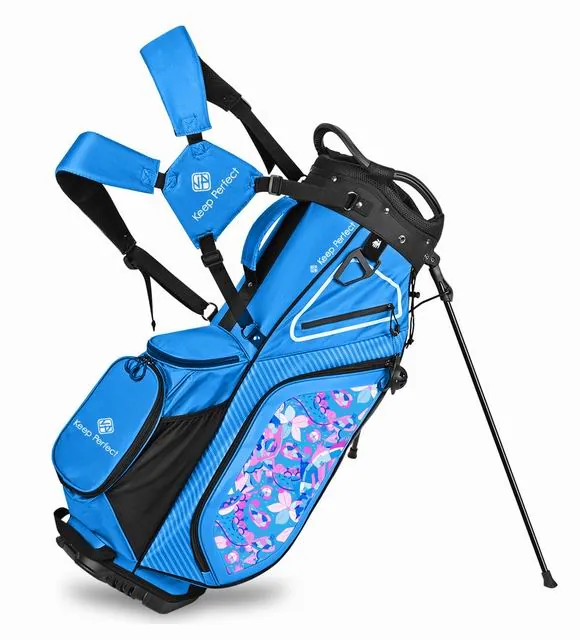
Organizing a Cart Bag for Maximum Convenience
On a cart bag, weight distribution matters less because the cart carries the load, so you can prioritise pure convenience. Use the 14-way full-length dividers to give every club its own slot for maximum protection and quickest retrieval on a cart. Arrange pockets so the items you need most - tees, markers, gloves - are on the side you reach from the cart.
A cart bag also has room for more storage because the cart holds the weight, so use the deeper pockets for range balls, extra clothing layers, rain gear and any accessories. Keep a cool pocket for hydration in summer and a valuables pocket that is easy to secure. The goal on a cart is effortless access with full club protection, and a well-laid-out cart bag delivers exactly that.
If you frequently switch between walking and riding, a cart-compatible stand bag gives you the best of both - our stand bag versus cart bag guide explains when each fits best.
The Right Accessories for a Tidy System
Purpose-built accessories turn a loose pile of gear into a organised system. Modular organizer pouches give small items a fixed home. Neoprene glove and tee holders keep them at hand. Magnetic ball markers stick to the bag where you need them. A towel clip keeps the towel dry and reachable, and an insulated cool pocket keeps drinks cold in summer.
The best accessories reduce clutter by giving everything a place, rather than adding more loose items to manage. Choose accessories that reinforce the core-plus system - attach the season-specific pouches only when relevant, and keep the permanent core minimal. Our golf bag accessories guide covers the attachments worth carrying.
Storing the Organised Bag Between Rounds
Organization does not end on the course. How you store the bag between rounds protects both the bag and the system you built. At the end of a session, shake out debris, wipe down the exterior, and leave the bag upright and supported. Check that valuables were emptied and that nothing damp stays sealed inside a pocket, because moisture breeds mildew and odour.
Between rounds, keep the core set-up intact so you never have to re-learn where things live, and set the bag up clean and ready so it is genuinely grab-and-go for the next round. For longer gaps, follow a proper storage routine - see our golf bag storage solutions for the full system at home and on the go.
| Zone | What Goes Here | Role |
|---|---|---|
| Quick-access top/hip pockets | Glove, tees, marker, repair tool, a few balls | Reach mid-round without digging |
| Deep storage pockets | Extra balls, rain gear, rangefinder, layers | Bulk and occasional-use items |
| Valuables pocket | Wallet, keys, phone, watch | Secure, out of the way of clutter |
| Cool / insulated pocket | Drinks, hydration in summer | Keep beverages cold on hot days |
Common Organization Mistakes to Avoid
The most common organization failures are familiar. Leaving clubs un-divided or letting dividers tear, so everything rattles and gripes together. Stuffing every pocket so nothing is quick-access. Burying valuables in a deep pocket where they can be forgotten or damaged. Carrying a heavy bag full of items you never use. And failing to clean out debris, so the bag accumulates grit that works its way into the system.
Each has a direct fix: keep dividers intact, route pockets by frequency of use, use a dedicated valuables pocket, run the core-plus system to keep the bag lean, and shake the bag out after rounds. Fix these habits and your bag will be lighter, faster and easier to use from the first tee to the last.
Choosing a Well-Organized Bag From the Start
The easiest way to have a well-organised bag is to choose one whose design supports organization from the factory. Look for full-length dividers, sensible pocket routing with quick-access and valuables pockets, a cool pocket for summer, and robust zippers and padded straps. When the architecture is right, keeping the bag organised becomes effortless rather than a constant fight.
At our affiliated factory we build bags across 7 production lines with 126 sewing machines and a team of 137 employees, to a monthly capacity of around 200,000 pieces, and every order passes a documented quality-control stage. That deliberate design is what makes our bags easy to organise and durable in storage. For what to look for in the construction, see our quality standards guide.
Need a Bag Designed to Stay Organised?
Choose bags with full-length dividers, smart pocket layouts and durable build, customised to your brand. Standard 200-piece MOQ (test orders from 100 pieces), quality-assured production, sampling in 10-20 days and bulk delivery in 45-60 days. All orders are run through an SGS-audited affiliated factory in Quanzhou.
Explore Custom Golf Bags →Conclusion
A well-organised golf bag is faster, lighter and better for your clubs. Build the system on three foundations: full-length dividers that separate clubs, pocket routing that puts frequently used items within instant reach, and a modular core-plus method that keeps the bag lean round after round. Choose a bag designed for organization, store it properly between rounds, and your bag will work as a system that lets you focus on your game.
Sources
Organizing for Seasonal and Travel Use
A strong organization system also adapts to how the bag is used across the year and on trips. In summer, route a cool pocket to the front for hydration. In winter, swap in a pouch for extra layers and hand warmers. When you travel, pack the bag so the modular system travels cleanly, and keep the core set-up intact so you never re-learn the layout. For travel specifically see our travel and airline guide.
Adjusting the organization by season, rather than leaving the same heavy layout all year, keeps the bag lean and appropriate to the conditions while protecting both the bag and its contents.
Signs It Is Time to Upgrade Your Bag's Organisation
Even a well-organised bag eventually needs upgrading, and there are clear signs. If dividers have torn so clubs rattle together, if zippers fail or pockets no longer close properly, or if the bag simply cannot hold everything you now carry organised, it is time to consider a newer bag. A bag designed with full-length dividers, a sensible pocket layout and a dedicated valuables pocket will make the effort you have invested in organising it genuinely worthwhile.
Upgrading is also a chance to adopt the latest organisation features, from modular pouches to better routing. Because organisation is so tied to construction, choosing a well-designed upgrade reinforces the system you have built rather than forcing you to fight against a poorly designed bag. When the bag's design and your habits align, the whole organisation system finally works the way it was meant to.
A well-organised bag also saves you money in small ways over time. When you can always find your tees, balls and tools, you lose fewer of them and replace them less often. When nothing is buried and forgotten in a deep pocket, you do not re-buy items you already own. And because an organised bag keeps clubs protected in dividers, it reduces the wear and damage that could shorten their life. Organisation is a genuine small economy as well as a convenience.
There is also a psychological benefit. A bag that is tidy and organised feels ready and professional, and carrying it adds a sense of preparation and calm to a round rather than a sense of clutter. Golfers who enjoy a well-arranged bag often find it part of the ritual of the game, setting a composed tone before the first tee. Comfort and calm on the course start with having your equipment in order.
For brands and retailers, organisation is also a selling feature worth making visible. A bag with a thoughtfully designed pocket layout, clear quick-access zones and a secure valuables pocket gives buyers genuine reasons to choose it, and communicating that design builds trust in the product. In the B2B context, matching these features to the target customer's habits helps a line perform in the market.
Because organisation is so tied to the bag's construction, a well-designed bag from a quality factory makes the benefit real rather than marketing only. This is one reason buyers value production partners that engineer detail into the design, so the good impression on the shelf is carried through every pocket club and every round of use.
Organisation systems keep improving because they directly improve the experience and pace of a round. As bags are engineered with better dividers and pocket layouts, the effect is felt at the bag: clubs are easier to pull, essentials are where you expect them and the round moves more smoothly. Adopting a well-designed, well-maintained organisation system is a simple and reliable way for any golfer to enjoy and play better.
Frequently Asked Questions
- What is the difference between 5-way, 14-way and full-length dividers?
- Full-length dividers run all the way down the bag, so clubs are separated top to bottom and never grip each other. A 14-way top gives every club its own slot, which maximizes separation and club protection. 5-way and 4-way tops group clubs into sections, which is lighter and often easier for players who like flexibility. The best choice depends on how many clubs you carry and how much protection you want.
- Where should the most frequently used items go in a golf bag?
- Put items you reach for most - gloves, tees, ball marker, a couple of balls, repair tool - in quick-access pockets near the top or the hip area. Deeper, harder-to-reach pockets are for less-used items like extra balls, valuables and rain gear. Route the bag so you never dig through a deep pocket mid-round.
- How do I keep my golf bag from getting cluttered?
- Run a modular system: a permanent core of the items you use every round plus removable pouches for season-specific gear. At the end of each round, empty out anything you did not use. A monthly pocket review that moves or removes unused items keeps the bag lean, lighter and faster.
- What should be in the valuables pocket of a golf bag?
- Keep valuables - wallet, keys, phone, watch - in a dedicated valuables pocket that is easy to close securely and hard for clutter to reach. A waterproof or zipped valuables pocket protects them from moisture and keeps them out of the way. Never bury valuables in a deep pocket you might empty unexpectedly.
- Are full-length dividers worth the extra weight?
- For most players, yes. Full-length dividers prevent clubs from gripping each other, protect grips from damage, and keep clubs quieter and easier to pull, which speeds up your round. The small weight cost is easily repaid in club protection and convenience, especially on a cart bag.
- How many pockets should a good golf bag have?
- A well-organised bag typically has between 5 and 12 pockets, arranged for quick access. It needs at least one valuables pocket, a couple of quick-access pockets, a deep storage pocket and, ideally, a cool pocket for drinks in summer. More pockets only help if they are organised; focused pockets beat endless clutter.
- How do I organise a golf bag when walking?
- When walking with a carry bag, prioritise weight distribution and quick access. Keep heavy items low and near your back, light items high, and the items you reach for most in the hip pocket. Use the full-length dividers to keep clubs separate so nothing rattles or slides while you walk.
- What golf bag accessories help with organisation?
- Purpose-built accessories - modular organizer pouches, neoprene gloves and tee holders, magnetic ball markers, insulated cool pockets and towel clips - help keep items in their place. The best accessories reduce clutter by giving every item a home, rather than adding more loose gear to manage.