Golf Bag Storage Solutions: At Home and On the Go
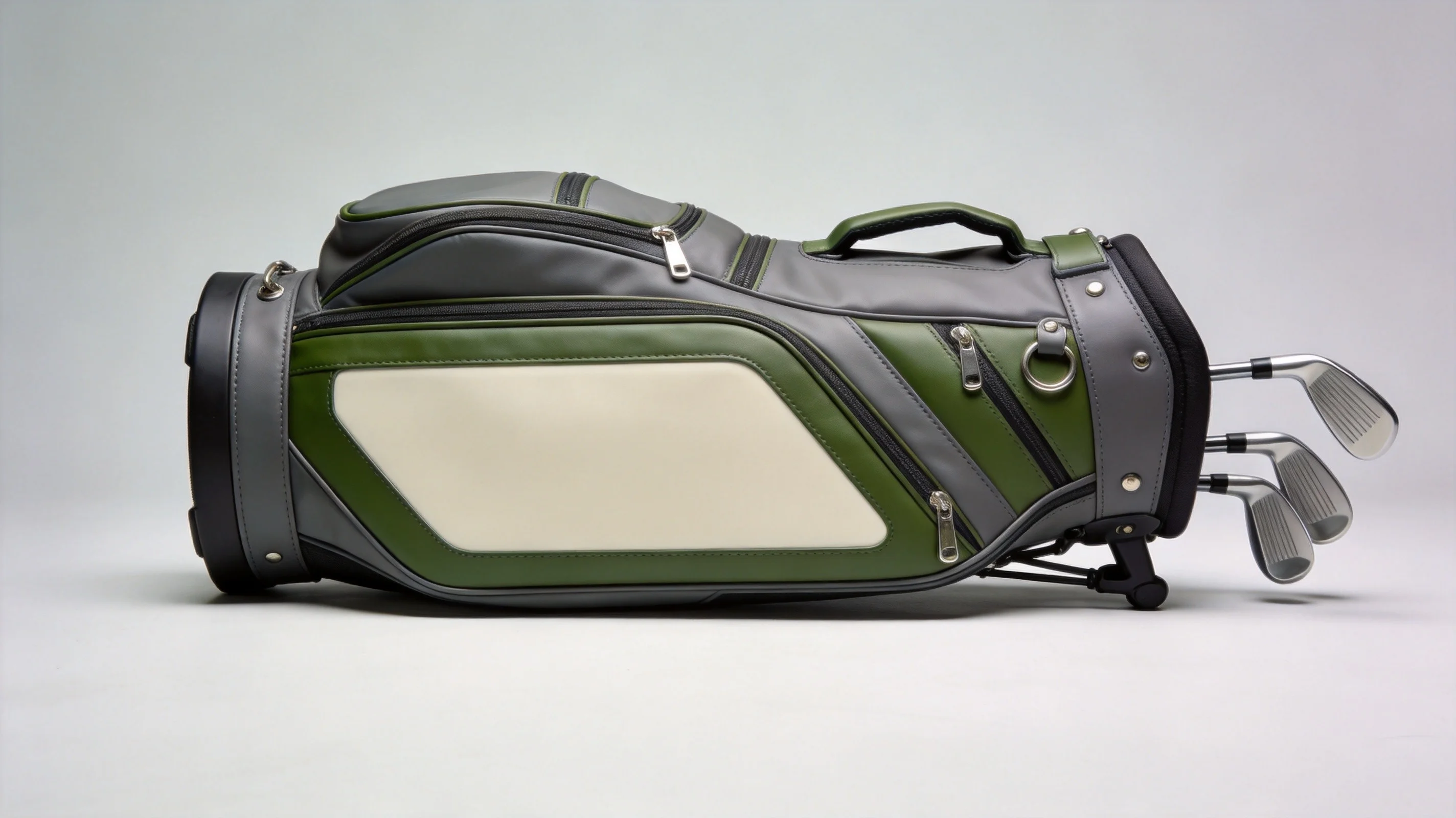
The best golf bag storage is upright, dry and protected: keep the bag fully upright and supported on its base - never hanging only from a handle - emptied of heavy items, in a dry room with stable temperature away from direct sun, with a breathable cover for winter, and pack it in a quality travel cover on the go; proper storage prevents the warping, fading, mildew and flattened padding that ruin bags left badly handled. This guide covers home and travel storage so your bags - and your investment - stay in top condition, drawing on how we build and protect bags at our affiliated factory, QUANZHOU JUNYUAN BAGS.
Why Storage Matters as Much as Cleaning
Cleaning keeps a bag looking good, but storage determines how much it degrades between rounds. A bag stored badly can be damaged more by months in a garage or closet than by years of normal play: repeated hanging by a handle distorts the frame, damp spaces breed mildew, hot rooms fade and crack the fabric, and heavy items stacked on top flatten dividers and padding. Storage is the quiet half of maintenance.
Get storage right and you preserve the work your cleaning does. A bag that is dried, emptied and stored upright and supported between rounds is already well on its way to a long life before the seasonal deep clean even starts. This is why storage deserves the same deliberate attention as any cleaning technique.
Storage also protects the small functional details that make a bag pleasant to use. A bag stored harnessed and crumpled can come back with a flattened divider that no longer separates clubs cleanly, or a strap twisted into a permanent curve. Proper storage keeps every component in the position it was designed for, so when you return to the bag, everything works exactly as it should and nothing needs to be coaxed back into shape.
The Golden Rules of Home Storage
A few simple rules cover nearly all home storage scenarios. Store the bag fully upright and supported on its base, never hanging only from a handle, which stresses the handle and distorts the bag over time. Empty it of heavy items and valuables to reduce stress, and keep it in a dry room with stable temperature away from direct sun, which fades and degrades materials.
Avoid the two worst storage environments: damp basements and hot attics. Damp promotes mildew and rusty hardware, while heat fades colours and cracks coatings. A utility room, hallway cupboard or bedroom closet at a stable, dry temperature is ideal. For extra protection, use a breathable cover that lets moisture escape while shielding the bag from dust and light.
The golden rules are easy to state and equally easy to let slip, which is why they are best made ambient rather than remembered. A hook placed at the right height, a rack that naturally holds each bag upright, and a designated dry spot mean the correct storage is the easy default. When the arrangement of the space does the remembering for you, the golden rules are followed without effort every single time, and that consistency is what protects the bag.
The golden rules begin with a choice of location that most owners make without realising its importance. A spot that is dry, cool and shaded beats a convenient spot that is damp or sun-baked, and choosing the better environment once saves years of gradual damage. Because the location decision is made so rarely and shapes everything that follows, it is worth giving it real thought rather than defaulting to whatever space is free.
The golden rules also extend to how you handle other gear stored nearby, since a tidy, dry storage area protects every piece of equipment in it. Keeping the storage space dry and free of the clutter that can press on or drip onto the bag helps the whole setup, not just one bag. A clean, well-organised place to rest the bag is itself a form of protection, one that quietly supports all the individual care habits and keeps them easy to follow.
Storage Racks, Hooks and Stands
Dedicated storage hardware helps keep multiple bags upright and protected. A golf bag storage rack or stand holds each bag upright on its base, which is exactly the position that protects the frame and padding, and it keeps bags from toppling into each other. If you use hooks or wall mounts, use wide supports that spread the load under the bag rather than a thin handle hook, which concentrates stress.
When arranging a rack, leave enough space that bags do not press against each other and flatten pockets or padding, and keep the area dry and ventilated. A well-set-up storage space makes correct storage the easy default, which is the real point: good setup means the right storage happens without effort every time. For organising accessories and pockets before storage, see our organisation pro tips.
Whichever hardware you choose, the test is whether it keeps the bag upright, supported and unstressed. A rack the bag simply drops into passes the test because it takes no care to use it correctly. By contrast, a crowded wall of hooks invites the bad habit of hanging bags by their top handles and of bags pressing against each other. Choosing hardware that makes correct storage automatic is the quiet win that protects every bag in the home.
Width and spacing matter as much as the rack itself. Bags stored too closely press against each other, flattening pockets and scuffing panels, while a well-spaced rack lets each bag rest freely. If space is tight, staggering bags or alternating their positions can help. The goal is a layout where every bag stands upright and unsupported, and taking the trouble to arrange it once makes the well-stored state the automatic outcome for years.
Storing for Winter and Long Idle Periods
Winter and long idle periods are when a bag faces its longest uninterrupted storage, so do it correctly. Clean and dry the bag fully first, empty every pocket, and treat zippers and hardware so they are in good condition when you resume. Then store the bag upright and supported in a cool, dry, well-ventilated space with a breathable cover, away from damp and direct sun.
Avoid compressing the bag under other items that flatten dividers and padding, and check it a couple of times during a long idle to confirm no moisture or pests have settled. Before the new season, do a full inspection and deep clean so the bag is dry, lubricated and ready. Proper storage between seasons is half the battle for a bag that lasts the better part of a decade.
A long idle also calls for a check on the bag's companions, not just the bag itself. Pests are attracted to the organic residue a bag can carry, so a thoroughly cleaned and aired bag left in a dry space is far less inviting. Before storing, confirm there are no leftover wrappers, tees with moisture or food debris that could draw damage. A clean, dry, empty bag is simply not an attractive place for pests, and that is the best prevention.
During a very long idle, it is worth checking the bag more than once, even if briefly. A quick glance mid-season confirms the storage space is staying dry, that no weight has been dropped on the bag and that the covers are doing their job. This small periodic check turns a winter of blind storage into a supervised one, and it means any unexpected problem - damp, a shifting load, a curious pet - is caught while still easy to correct.

Storing on the Go and Between Rounds
Between rounds, the rules are the same but lighter: keep the bag upright and supported, wipe off moisture and debris after a wet or dirty round, and do not leave it in a hot car boot for long, which stresses materials and fades fabric. If you store it in a locker, keep it upright and ventilated rather than left damp and sealed.
On the course, setting the bag down on its base rather than letting it topple and avoiding dragging it by its dividers also reduces wear. The same principles that protect a bag at home - upright, supported, dry, not crushed - apply wherever the bag rests between uses. Small consistent care at the course protects the bag exactly where it works hardest.
For the locker or boot of the away traveller, the same principles apply with even more discipline, because space is tighter and conditions vary more. Keeping the bag upright where possible, off the floor of a damp boot, and clear of shifting cargo protects it during transit and idle periods alike. A little care in how the bag travels and waits makes a boots-and-lockers routine as protective as the best home setup.
Between rounds at the course, taking ten seconds to set the bag down deliberately on its base, rather than letting it drop or lean against a rough surface, prevents the small scuffs and stresses that add up over a season. Like correct home storage, this is a habit made easy by the right conditions and an awareness of how the bag is handled. When the bag is treated gently and stored well wherever it rests, its good condition is preserved from one session to the next without any extra effort.
Protecting the Base, Dividers and Padding
Storage directly affects the parts that wear first. The base benefits from resting on a clean, dry surface rather than a damp floor, and from not being dragged. Dividers and padding stay healthy when the bag is stored upright and not compressed under heavy items, which flattens them and reduces the club protection and comfort they provide.
Before long storage, check the base for cracks from ground contact and the padding for flattening, and address either before it worsens. Because these components carry your clubs and your comfort, protecting them through careful storage is one of the highest-value habits in golf bag care. See what robust construction should look like in our quality standards guide.
The base of a bag repays one more deliberate habit: setting it down on its base rather than letting it fall or dropping onto corners. A base that comes down squarely takes the impact evenly, while a corner-first landing concentrates force on a single point and starts the first crack that then spreads with every round. Gentle, even handling of the base is a small behavioural change with a large effect on the bag's structural life.
Protecting these load-bearing parts also means catching signs of wear before they spread. A base that has developed a faint hairline crack, or padding that has begun to flatten in one spot, is worth addressing at the earliest sign rather than waiting through more season. Reacting to these early signals, alongside upright storage, keeps the bag's core components healthy and avoids the far larger and costlier repairs that come later.
Travel Storage: Cases and Protection
On the go, protection is everything. Use a quality travel cover or case, distribute and protect the clubs inside so they do not shift, and pack the bag so it is not crushed flat under heavy luggage. After each journey, clean and air the travel bag, and store its wheels and handles clean and free of debris for the next trip. For full guidance on travelling with a bag, see our airline travel protection guide and how to extend a travel bag's life.
Travel storage is about preventing both crush damage and moisture. Air and dry a travel bag after every trip before storing it, so it is fresh and ready for the next adventure, and keep it in the upright, dry, protected conditions that apply at home. A travel case looked after properly protects your clubs and lasts for many journeys.
The way you unpack after a trip also protects the travel bag for the next one. Remove the clubs, air out the case fully to release any condensation from the flight, and wipe the wheels and handles before storing. This post-trip service takes minutes but keeps the travel case fresh, free of grime and ready, so the protective gear that guards your clubs on every journey is itself always in the condition that protects it best.
Far the most care of a travel setup goes into the clubs, but the travel bag itself rewards a quick habit of protection before every journey: pack the bag so nothing sharp or heavy rests directly against the frame or the structure it depends on, and ensure the whole case sits balanced. A travel bag that returns from a trip intact is one that has been packed as carefully for its own sake as for the clubs it guards, and that care keeps it ready for every trip to come.
| Storage Scenario | Do | Avoid |
|---|---|---|
| Home, between rounds | Upright, supported, emptied, dry | Hanging by handle, damp room |
| Winter / long idle | Clean & dry, breathable cover, ventilated | Hot attic, damp shed, compression |
| Multiple bags | Storage rack / stand, wide supports | Pressing together, thin hook |
| On the go / travel | Quality cover, protect clubs, air after trip | Crushing flat, storing damp |
Common Storage Mistakes to Avoid
The most damaging storage mistakes are well known: storing a damp bag, which sends it toward mildew; hanging a fully loaded bag by a handle, which stresses the structure; keeping it in a car boot or shed with fluctuating temperature and moisture; and stacking heavy items on top, which flattens dividers and padding. Each of these is easily avoided with a better default.
Replace them with good habits: always dry before storing, always store upright and supported, choose a stable, dry environment, and never compress the bag under other items. When storage is set up correctly, the right behaviour happens automatically, which is the most reliable way to protect your bag's long-term condition.
Some storage mistakes are also born of good intentions, such as covering a bag with something non-breathable to protect it from dust, only to trap moisture beneath. Breathability is why the advice is to use a breathable cover or to store the bag uncovered rather than sealed in plastic. Choosing a cover that protects from dust and light while letting moisture escape keeps the bag both clean and dry, which is precisely the balance correct storage aims for.
Buying a Bag That Stores Well
Finally, some bags simply store better than others. A bag with a solid, flat base sits upright more reliably, robust components resist the small stresses of storage, and quality fabrics and coatings resist fading and moisture when stored correctly. Choosing a well-built bag from the start makes every storage habit more effective and gives the bag the best possible long-term foundation.
At QUANZHOU JUNYUAN BAGS, we build the full bag range across 7 production lines with 126 sewing machines and a 137-person team to about 200,000 pieces a month, quality-checked before shipping. For more on storage and seasonal routines see our seasonal storage guide, and to browse bags built to store and travel well, explore the product range.
Finally, storage-friendly construction also simplifies travel and keeps the bag looking new. A bag with clean lines, a flat base and fabrics that resist creasing and fading stores more compactly and emerges ready to play rather than rumpled. When a bag is pleasant to store and easy to keep, you actually reach for the good habit more often. Choosing with storage in mind is the quiet way to make a well-kept bag the effortless, lasting choice.
When you choose with storage in mind, small construction details decide how easily a bag lives at home. A base with a slightly reinforced or flat bottom stands reliably rather than tipping, sturdy handles survive a hook without stress, and fabrics that resist creasing come back from storage ready to play. These storage-friendly details are easy to overlook in a showroom but make every day of ownership simpler, and they compound into a bag that is effortless to keep well.
Need a Bag That Stores and Travels Well?
Choose a bag built with a solid base, robust hardware and quality fabric, customised to your brand. Standard 200-piece MOQ, sampling in 10-20 days, bulk delivery in 45-60 days.
Explore Custom Golf Bags →Conclusion
Golf bag storage is the quiet half of maintenance that prevents the greatest amount of slow damage. Store your bag upright, dry and protected at home - on its base, never hanging by a handle, in a stable, dry room away from sun - use a breathable cover for winter, avoid damp and heat, and pack it in a quality cover with protected clubs on the go. Combine these habits with a well-built bag, and your golf bag will stay in top condition, ready for the course every round it is called on.
Sources
Frequently Asked Questions
- How should I store my golf bag at home?
- Store it fully upright and supported on its base - never hanging only from a handle - emptied of heavy items, in a dry room with stable temperature away from direct sun. Use a breathable cover for extra protection and avoid damp basements and hot attics.
- Should I store a golf bag with clubs in it?
- It is fine to store the bag assembled, but keep it upright and supported and avoid overloading it. Remove heavy accessories and valuables, and never hang a loaded bag by its handle, which stresses the handle and distorts the bag.
- How do I store a golf bag for winter?
- Clean and dry the bag fully first, empty every pocket, then store it upright and supported in a cool, dry, well-ventilated space with a breathable cover. Avoid compressing it under other items that flatten dividers and padding.
- What is the best way to store a bag on the go or while travelling?
- Pack it in a quality travel cover, distribute and protect the clubs, keep the bag from being crushed flat, and air and dry it after each journey. Store travel bags with wheels and handles clean and free of debris for the next trip.
- Why is my stored golf bag getting mildew?
- Mildew is caused by trapped moisture. Always dry the bag fully before storage, store it in a dry, ventilated space rather than a damp basement or shed, and avoid sealing a damp bag, which traps the moisture that supports mildew.