How to Extend the Life of a Golf Travel Bag
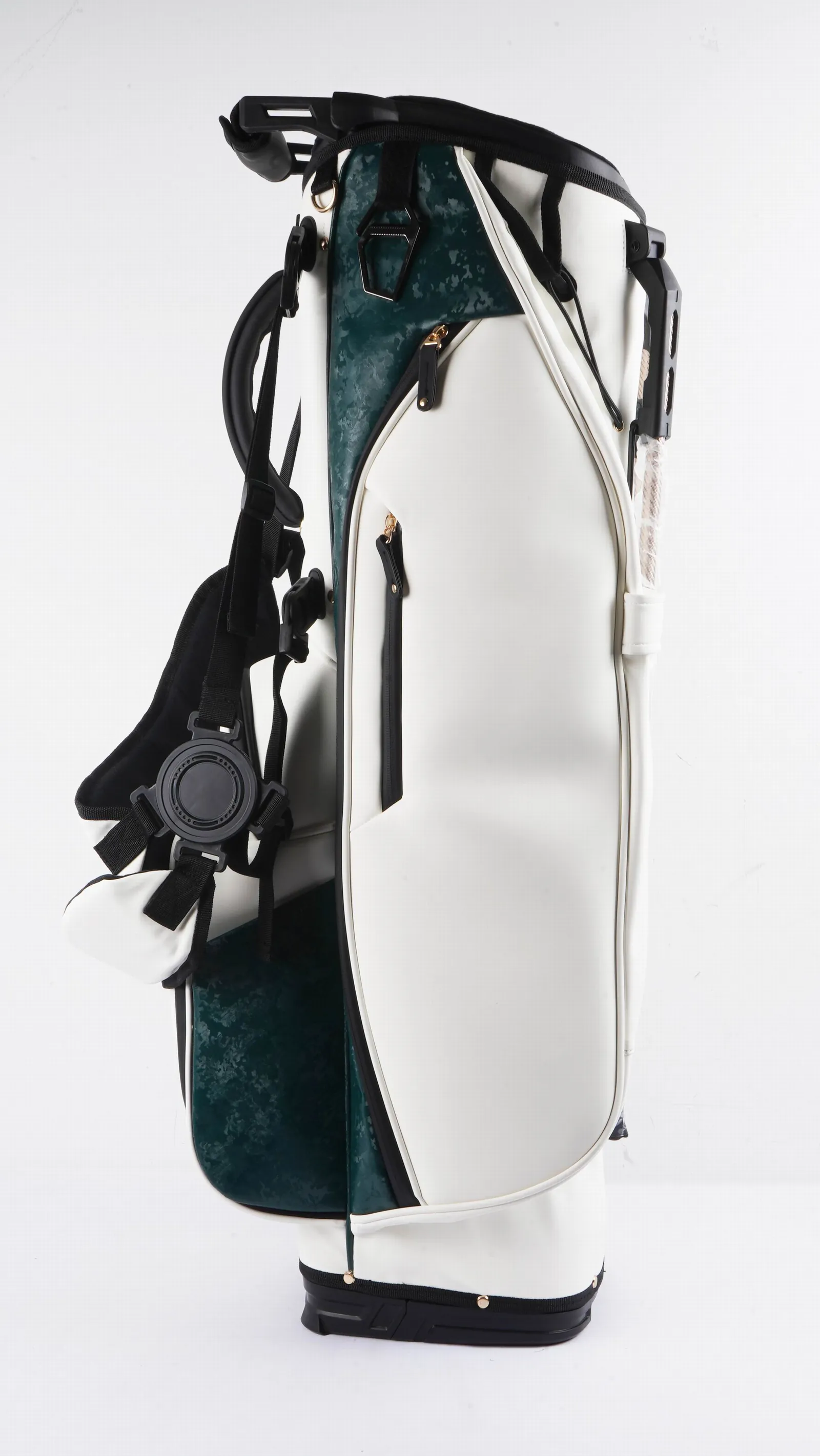
Extend the life of a golf travel bag by rotating through four habits: protect it in transit and storage, distribute weight so stressed seams are not over-strained, clean it correctly and reapply protection, and repair minor damage before it spreads. A well-cared-for travel bag consistently outlasts a neglected one, often by seasons rather than weeks. At QUANZHOU JUNYUAN BAGS our travel bags are built on a 7-line, 126-sewing-machine facility with 137 staff, up to 200,000 units a month, sampling 10–20 days and bulk 45–60 days — durable construction that rewards simple, routine care.
Start With Transport and Storage Discipline
Most travel-bag wear happens on the way to and from the course, so how you move and store the bag has an outsized effect on its life. When you travel, cushion the bag against your airline's handling, distribute weight evenly inside so one side is not overloaded, and protect the wheels and base which absorb most of the impact. Proper loading, as our packing and travel guide explains, keeps stress off the seams and hardware that are hardest to repair.
Storage is the quieter killer. Storing a travel bag in a damp, cramped or sun-exposed spot lets moisture, mildew and UV degrade the fabric, zips and coatings. Keep it dry, ventilated and out of direct sun, and avoid stacking heavy items on top so the shape and frames stay true. The same discipline that protects any durable textile, such as that covered in our care guide, protects your travel bag between trips.
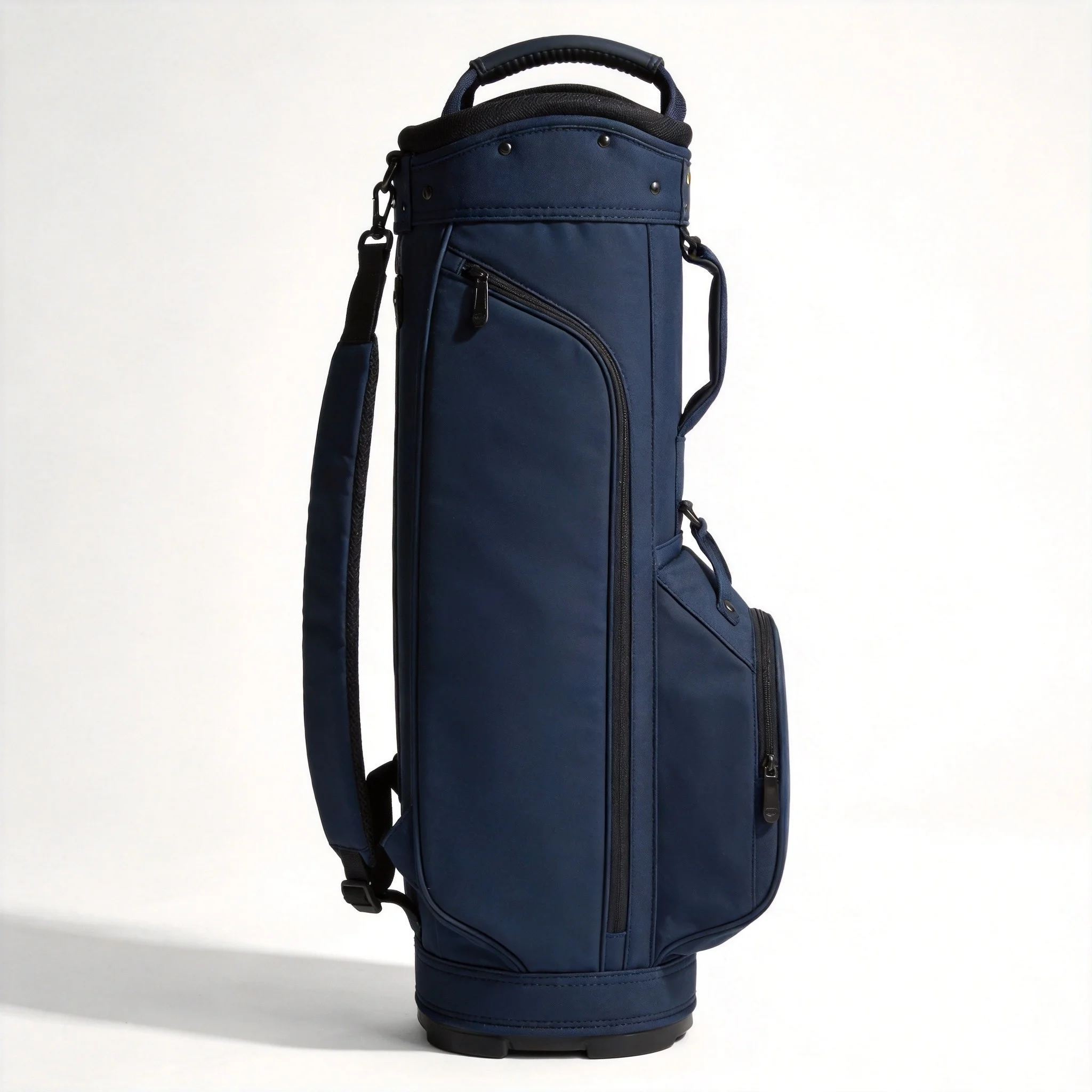
Smart Transport
Distribute weight, cushion against handling and protect wheels and base to keep stress off seams and frames.
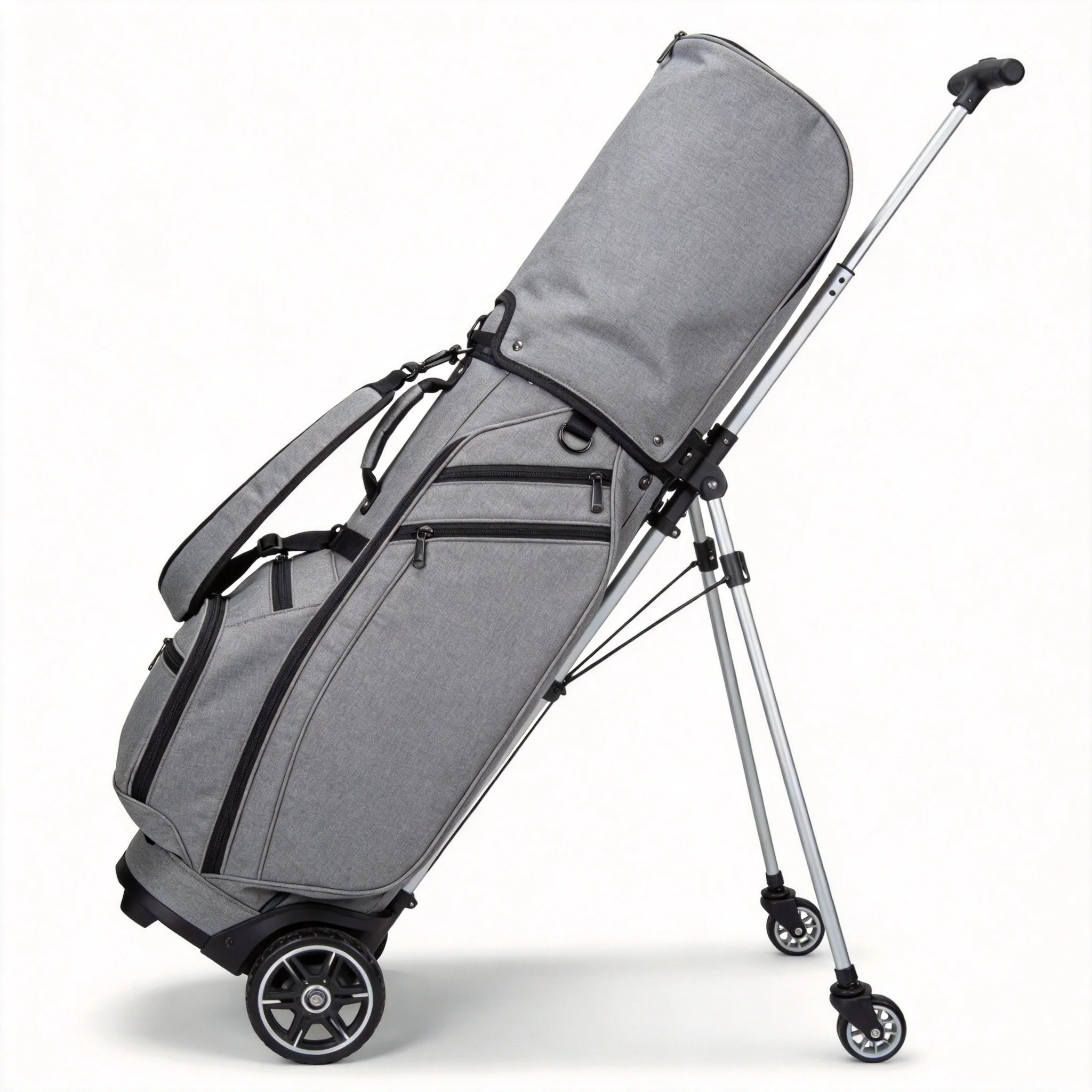
Hardware Upkeep
Regular checks of wheels, zips and straps catch minor wear before it becomes expensive damage.
Distribute Weight to Protect Stress Points
A travel bag carries your clubs, shoes and extras, and how that weight is arranged determines which seams and panels bear the load. Pack heavier, rigid items low and centred, cushion clubs at the head, and avoid overstuffing which strains zips and stretches panels. Balanced packing keeps the bag's shape and prevents the uneven tension that tears seams or bends frames over time.
Weight distribution also protects your clubs and the bag together. When the bag is balanced it places less strain on the handle, straps and base, which are among the most demanding parts of the design. Following the packing logic your manufacturer intends, and keeping within sensible weight, extends both the bag's fabric life and its structural integrity. A travel bag that is packed well travels more often without failing.
Support Stressed Seams and Hardware
Seams and hardware take the real punishment in a travel bag. Reinforce the areas you know carry load — the handles, base and zip openings — by using them as intended and avoiding levering forces. Carry, rather than drag, where possible to spare the wheels, and lift by the reinforced handle rather than the fabric. Understanding which seams are load-bearing lets you treat the bag in a way that dramatically slows wear.
Hardware check-ups are part of the habit. Inspect zips for rough teeth, straps for fraying and wheels for loose fittings after each trip, and fix small issues before they escalate. A stiff or misaligned zip handled early is a trivial fix; left alone it can tear the surrounding fabric and ruin a whole panel. Attending to stress points routinely is the cheapest, most effective way to add seasons to a travel bag's life.
Wash and Care Correctly
| Care Task | Best Practice | Why It Helps |
|---|---|---|
| Cleaning | Spot-clean with mild detergent | Avoids harsh chemicals and preserves fabric |
| Drying | Air-dry fully before storing | Prevents mildew and coating degradation |
| Protection | Reapply DWR or fabric protection | Restores water shedding over time |
| Storage | Dry, ventilated, out of sun | Slows UV and moisture damage |
Clean a travel bag the way you would any technical textile: spot-clean with mild, non-abrasive detergent, avoid machine harshness and aggressive chemicals, and always dry it fully before storage. Standing damp is the fastest way to breed mildew and weaken fabric and coatings. Correct washing preserves the fabric's finish and the coated layer that sheds water and dirt.
Protection is part of care. Over time, fabric treatments and water-repellent coatings naturally wear, so reapplying a suitable DWR or fabric protector restores their performance and shields the bag against dirt and moisture. Paired with gentle cleaning and full drying, this protection regime keeps the bag looking and performing like new for far longer. Care, rather than replacement, is the habit that makes a durable travel bag last.
Make Your Travel Bag Last Longer.
Protect it in transit, distribute weight, clean carefully and repair small damage early. For durable travel bags built on a verified 7-line facility, explore our travel protection options or ask about construction that rewards routine care.
See Travel Protection →Repair Minor Damage Before It Spreads
Addressing small problems quickly is the single biggest lever on a travel bag's lifespan. A loose stitch, a stiff zip, a worn wheel or a scuff that is starting to show — fixed early, these are cheap and easy; ignored, they grow into panel tears, broken closures or failed frames that end the bag's life. Keep a simple repair habit after each trip, checking the obvious stress points and fixing what you notice.
Some repairs are best left to professionals or handled with the right kit, especially around waterproof seams and structural hardware. If the bag is under warranty or the damage is structural, ask the manufacturer before attempting a fix. Early, correct repair preserves value far better than waiting for a catastrophic failure, and it keeps a quality-built bag usable season after season.
Related Guides to Read Next
Extend the life of your gear with our resources. The travel covers page shows durable options, our materials guide explains what the fabric endures, and the quality standards guide frames what to inspect. Review factory-direct access and read testing waterproof quality for keeping protective finishes in good order.
Adopt a Pre- and Post-Trip Routine
The easiest way to extend a travel bag's life is to build maintenance into your travel routine. Before each trip, check zips, straps and wheels, make sure the bag is packed in a balanced way, and confirm it will be handled sensibly. After each trip, inspect the stress points, spot-clean what needs it, dry the bag fully and store it correctly. A few minutes per trip converts to far longer useful life.
A routine turns care from an occasional chore into a dependable habit that protects your investment. Because the bag is used exactly where the damage happens — airports, carts, storage — consistent attention at those moments prevents problems at their source. Over two or three years of regular travel, a bag cared for this way will typically outlast one that is cleaned only when visibly dirty and repaired only when broken.
Common Care Mistakes to Avoid
Well-meaning owners shorten a bag's life with a few habits. Machine washing or using harsh chemicals strips coatings and damages seams. Storing the bag damp lets mildew weaken fabric and zips. Dragging the bag instead of lifting repeatedly stresses the wheels and base. And ignoring minor damage lets small tears and stiff zips grow into failures that end the bag's life prematurely.
The reliable habits are the mirror image of these mistakes: spot-clean gently, dry fully, lift rather than drag, protect wheels and base, and repair small issues early. Combine careful transport with balanced packing and correct storage, and a durable golf travel bag becomes a long-lived workhorse. Care is the multiplier that turns good manufacturing into a bag you can rely on for years of travel.
Choose a Durable Bag to Start With
The best way to extend a travel bag's life is to begin with one built to last. Look for heavy-duty, abrasion-resistant fabric, reinforced seams at load-bearing points and robust wheels, handles and zips, because these determine how the bag survives the punishment of air travel. A thoughtfully constructed bag, like those built across our 126-sewing-machine line at QUANZHOU JUNYUAN BAGS, starts itself at an advantage and rewards the care you invest for years.
Consider the trade-off between soft and wheeled or structured designs for your travel pattern. Frequent-hard-knock air travel favours sturdy construction and protective structure, while occasional road trips may use a softer, more packable bag that is simpler to store. Matching the bag to how you travel means you are not over-working a design against the wrong conditions, which is itself a form of extending its life. Choose the construction that suits the journeys you actually take.
Finally, buy from a source whose quality you can verify. A factory that documents its materials, shows the construction details and is independently verified, such as one audited by SGS and Alibaba in March 2026, gives you confidence the bag is worth the care its maintenance routine asks of you. Starting with a durable, honestly specified product is the single largest factor in how many seasons it will serve you.
Protect the Bag Before, During and After Travel
Life-extending protection starts before the journey. Pack so that clubs are cushioned at the head and heavier items sit low and centred, protecting the seams and frame from uneven strain, and consider the manufacturer's packing guidance so stress lands where the bag is built to take it. Apply a protective cover or use the bag's own protection design during transit, shielding the outer fabric and base from scrapes and scuffs that accumulate over repeated flights.
During travel, handle the bag with intent: lift by the reinforced handle and wheels' structure rather than dragging the fabric, and keep the bag from being crushed under heavy loads wherever possible. Setting the bag down carefully and choosing where it rests during transit prevents many of the punctures and scrapes that slowly wear a cover. Thoughtful handling is cheap insurance that concentrates on the moments a bag is most at risk.
After each trip, close the loop with a quick check and a proper reset. Inspect seams, zips, wheels and straps, spot-clean and dry the bag fully, and store it dry and out of direct sun. This consistent before-during-after routine keeps minor issues from compounding and returns the bag to good condition between journeys. Protection is not one heroic act but a repeatable habit that adds trip after trip to a travel bag's useful life.
Plan a Maintenance and Repair Kit
A small maintenance kit turns minor care into an easy habit and prevents small damage from becoming fatal. Carry the basics for on-the-road fixes: selected zipper lubricant, strong thread or a small needle for loose seams, and spare fasteners or small parts where relevant. Keeping these to hand means a stiff zip or a loose stitch is fixed in minutes rather than ignored until it tears a panel on the next flight.
Match the kit to common problems. Zips that bind respond to lubrication, loose straps and seams to reinforcement, and worn wheels or feet to timely replacement — knowing which condition signals repair lets you act early. For structural or waterproof-seam issues, defer to professional or factory guidance to avoid a fix that compromises the bag's strength. A prepared, targeted maintenance kit keeps small, manageable problems from becoming expensive, real damage.
Establish where and how to source replacements so routine servicing is practical. Confirm whether the manufacturer offers parts or repair guidance, and keep the bag's care instructions where you can find them. When maintenance is easy and spare parts are available, a bag enters repair instead of replacement at the first sign of wear. A planned maintenance-and-repair approach, applied trip after trip, is how a durable travel bag earns many more years of service.
Know When to Repair and When to Retire
Part of extending a travel bag's life is knowing the honest line between repair and replacement. As long as the frame, panels and major seams remain sound, proactive repair is almost always worth it, because a structural bag can keep serving for many more trips with modest care. But when the very structure has failed — a broken frame, a split panel or a snapped handle that carries real load — continued patching can become unsafe or cost more than the bag is worth. Recognising this boundary protects both your gear and your clubs in transit.
To judge where a bag sits, inspect how the failure affects function. A stiff zip that still closes or a worn foot that still stabilises is repairable; a handle that cannot safely lift a loaded bag or fabric that has rotted at a load seam is a liability. If repair cost approaches a meaningful share of replacement, or if a failed part endangers your clubs, retiring the bag and investing in a proven durable model is the responsible choice. This guardrail keeps the "extend the life" habit economical rather than reckless.
When you do replace, buy intentionally to start the next cycle from strength. Choose a durable construction from a verified source, keep the new bag's care instructions close, and apply the same protection and maintenance habits from day one. Planned replacement is not the failure of the care habit; it is the natural next step in keeping your gear safe and your travel reliable. Knowing when repair stops being smart is what makes the whole carer approach both sensible and sustainable.
A Simple Care Routine That Sticks
The most effective care is the routine you actually maintain, so keep it simple enough to follow reliably. After every trip, spend two minutes checking the obvious stress points — wheels, zips, straps and the base — and fix anything small on the spot. Once a month, or after heavy travel, give the bag a proper clean with mild detergent, dry it fully and reapply fabric protection as needed. Tie these steps to habits you already have, such as unpacking after a trip, so the care happens without extra effort.
Keep your care supplies together in one small kit and store it near the bag, so maintenance is convenient rather than a hunt. A few tools and products — mild cleaner, a soft cloth, zipper lubricant, thread and a suitable protector — cover nearly every routine need, and having them at hand means you protect the bag at the moment of need instead of deferring. Convenience is the difference between a routine that sticks and one that is abandoned.
Review your care habits with the season. If you travel more in certain months, front-load extra checks and protection before those peaks; if you store the bag for a long period, give it a deeper clean and thorough dry beforehand. A routine that adapts keeps the care effective without becoming a burden. Simple, consistent and convenient care is how a travel bag earns many more seasons of reliable protection for your clubs and your investment.
Protecting the Bag Through Transit and Storage
Much of a travel bag's life is spent off the course, moving through airports and sitting in storage, and thoughtful handling there adds years of service. Zip the main compartment and any pockets fully before travel so teeth stay aligned and no loose club can snag the fabric. Keep straps and buckles secured and tucked where they cannot catch on conveyor equipment, and use a tag so your bag is quickly identified in baggage claim. Consistent, gentle handling is the cheapest protection you can give a travel bag.
Choose storage deliberately when the season ends. Store the empty or lightly loaded bag in a cool, dry, dark place, away from direct sunlight that can fade colour and heat that can stiffen fabrics and zips. Avoid compressing it under other luggage, which can deform the structure, and keep it clean and dry before it goes away so moisture and residue do not set in. Proper off-season storage prevents most of the slow damage that shortens a bag's useful life.
Finally, schedule routine maintenance so small issues never grow. Check the wheels, handle, zips and stiffeners after trips, tighten or correct anything loose, and repair minor damage promptly rather than using the bag until failure. Keep the same care guidance in mind when you ask the factory about replaceable parts or serviceable components. Protecting the bag through transit, storing it well and maintaining it routinely is how a good travel bag stays dependable year after year.
Frequently Asked Questions
- How long should a golf travel bag last?
- With routine care — balanced packing, gentle cleaning, correct storage and early repair — a well-built travel bag can last years of regular travel, far longer than a neglected one.
- What is the biggest cause of travel-bag damage?
- Decisions during transport and storage: dragging, overloading one side, storing damp and ignoring small tears all stress seams, wheels and hardware until they fail.
- How should I clean a golf travel bag?
- Spot-clean with mild, non-abrasive detergent, avoid machine washing and harsh chemicals, and always air-dry fully before storing to prevent mildew.
- Can I restore a bag's water resistance?
- Yes. Reapplying a suitable DWR or fabric protector periodically restores the coating's ability to shed water and dirt as the original finish wears.
- Should I fix small damage myself?
- Fix loose stitches and stiff zips early and correctly; for waterproof seams or structural hardware, consult the manufacturer or a professional to avoid worsening the damage.
- How should I store a travel bag between trips?
- Store it dry, ventilated and out of direct sun, with nothing heavy stacked on top, so moisture, mildew and UV cannot weaken the fabric, zips and frames.
Sources
- USGA — golf equipment references supporting durable product design and care awareness.
- ISO — international quality and textile-maintenance standards informing care guidance.
- SGS — independent testing and verification for fabric durability and finish performance.
- ASTM International — material and textile test methods informing durability and care expectations.