How to Import Custom Golf Bags From China to the US
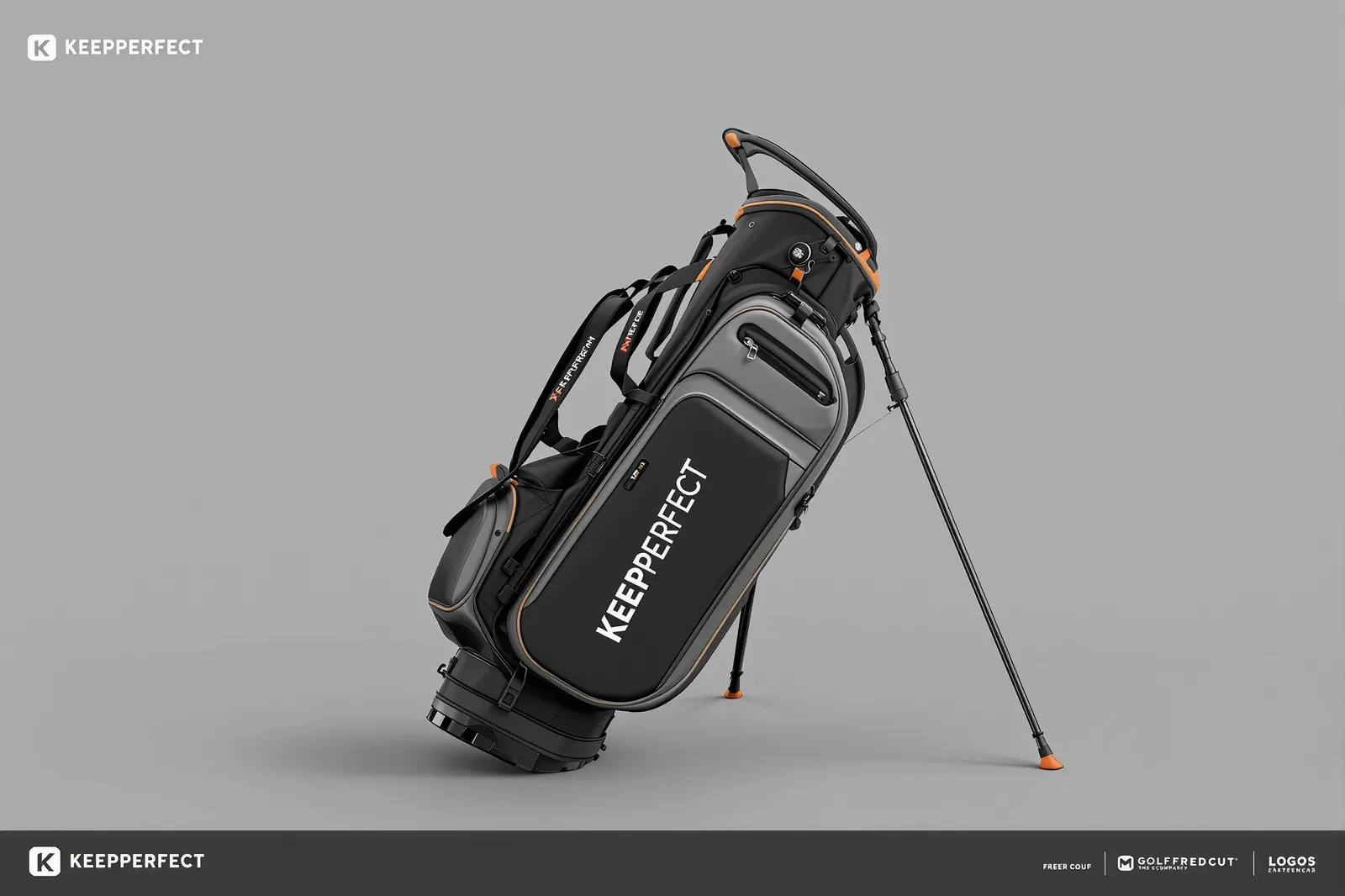
Importing custom golf bags from China to the US is fully manageable for a mid-size brand when you align on four things: a compliant HTS classification and duty estimate, a verified factory (such as a facility audited by SGS and Alibaba in March 2026), a realistic freight and incoterm choice, and a product spec that passes destination-market safety and labelling expectations. For a 200-unit test order from a Quanzhou factory, sampling runs 10–20 days and bulk production 45–60 days; with a standard 200+ unit order you gain capacity leverage over a 7-line, 200,000-unit-per-month facility. This guide walks the entire chain — classification, factory selection, samples, incoterms, shipping, customs and US compliance — with the specific numbers you need to budget.
Start With the Right HS Code and Duty Estimate
The single most common mistake importers make is starting with suppliers before they understand classification. Golf bags entering the United States are classified under the Harmonized Tariff Schedule (HTSUS), and the right classification determines your duty rate, your entry paperwork and your landed cost. Most golf bags fall under HTS Chapter 4202 as travel, sports or similar bags, but the precise subheading depends on material composition and construction. Verifying the correct code before you negotiate gives you the discipline to compare quotes on an all-in landed basis rather than on factory price alone.
Duty rates are quoted as a percentage of the customs value, and they are not the only cost. You should also budget for freight, marine insurance if it is not included, and destination-side charges at the US port of entry. When a supplier quotes "free on board" (FOB), it means the price covers the goods until they are loaded at origin; adding freight and insurance gives you the true cost, insurance and freight (CIF) figure. Always convert every quotation to the same incoterm before you compare two factories.
Choose a Factory You Can Verify, Not Just Compare
Because customs compliance and product consistency both trace back to the supplier, verify the factory rather than only comparing price. Our facility, QUANZHOU JUNYUAN BAGS in Fujian, China, was verified by SGS and Alibaba in March 2026 and operates 7 production lines with 126 sewing machines (149 machines total) and 137 staff, producing up to 200,000 units a month for 200+ brand partners in 100+ countries. Founded in 2014 by a founder who entered the industry in 2004, the company combines experience with a modern, audited operation. Independent verification protects you from the hidden costs of a defaulting or non-compliant supplier.
When reviewing a supplier, request audit reports, look for brand references in your market, and confirm the factory can produce the harmonised documentation your US customs broker will need. A capable factory will also guide you on the product marking and labelling requirements, because packaging, fibre and country-of-origin markings can be as important as the bag itself for smooth entry.
Order Samples Before Any Container Buy
Importing is expensive to reverse, so you want a physical sample before scaling. Our sampling phase runs 10–20 days, and a test order of 100 units is available to help you validate construction, materials, zippers, branding and overall fit before committing to a full production run. The sample is your reference for the entire bulk contract: it records measurements, colours, hardware and finish so the final goods are judged against a standard both parties hold.
While the sample is in transit, use the time to fix your specification completely. Every change you make after sample approval resets risk and can add cost and days to your schedule. A frozen spec shortens the bulk lead time, reduces sampling iterations and keeps your price stable. Treat sample approval as the moment your negotiation ends and your contract begins.
Export-Ready Packing
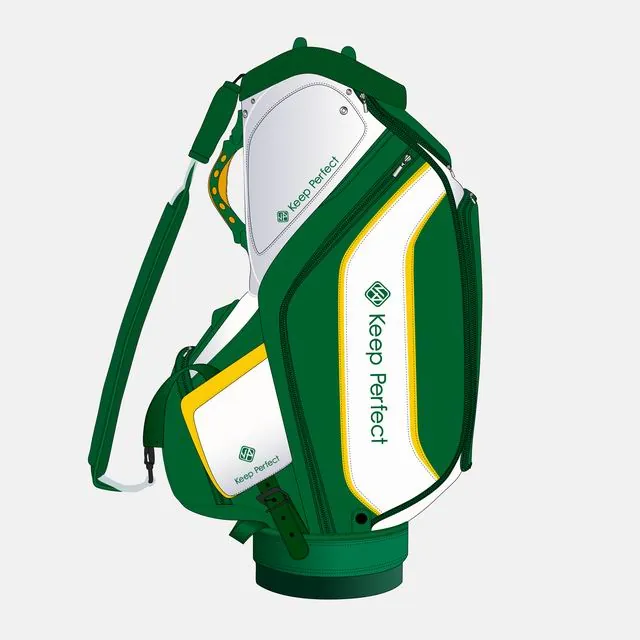
Polybags, inner cartons and export cartons designed to protect bags in transit and meet destination labelling expectations.
Landed-Cost Clarity
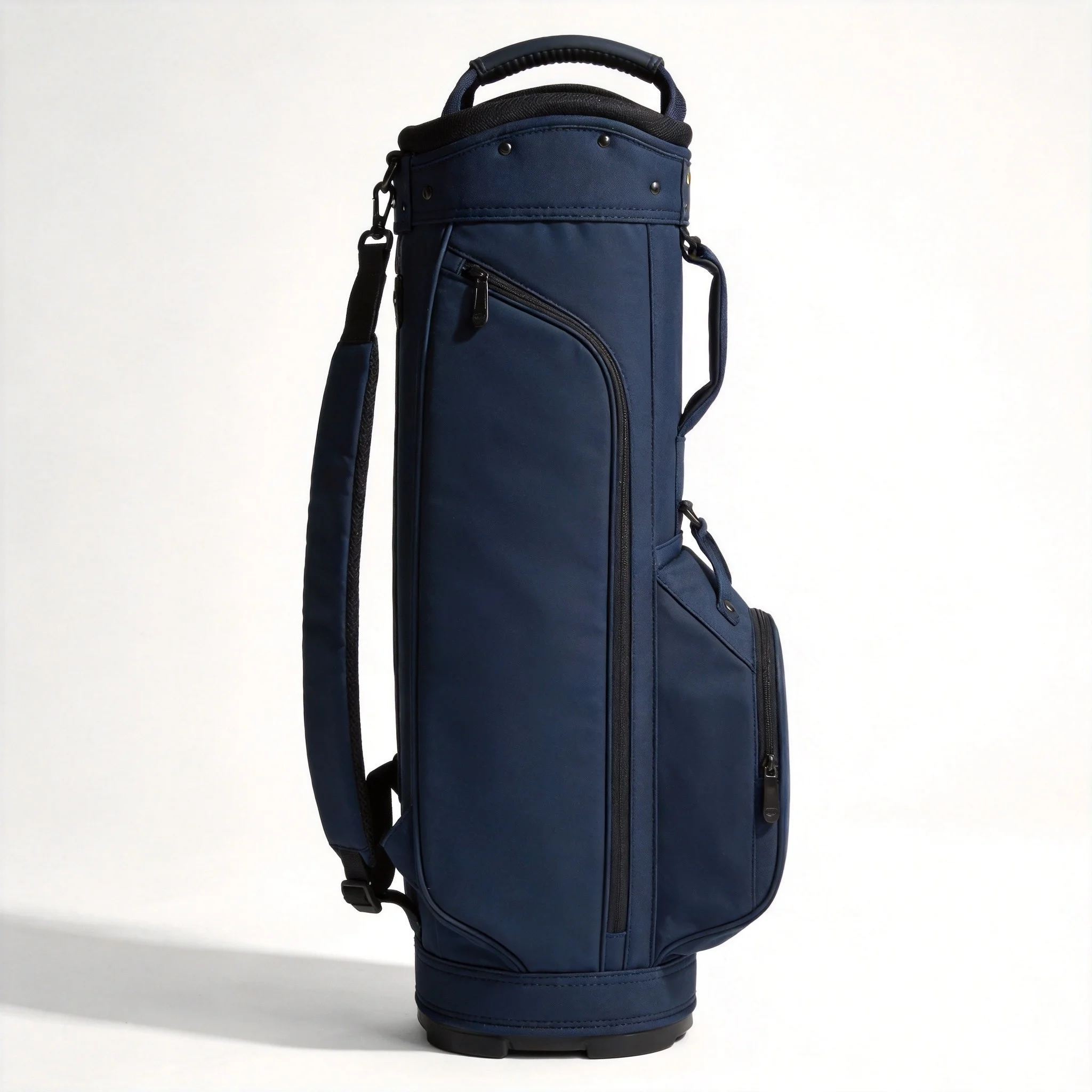
Factoring freight, insurance and duty so your quoted price is a true landed cost, not just a factory price.
Landed-Cost Summary Table
| Line Item | Who Covers It | Planning Note |
|---|---|---|
| Ex-works / FOB value | Buyer | Base invoice value from the factory |
| Ocean / air freight | Buyer (FOB) | Negotiate consolidation for cost saving |
| Marine insurance | Buyer (FOB) | Confirm CIF to include, or budget separately |
| US customs duty (HTSUS) | Buyer | Verify HTS subheading for correct rate |
| Brokerage & terminal fees | Buyer | Port-side handling and entry filing |
Build every element into your pro-forma before signing. A quote that looks cheaper at FOB frequently loses the comparison once you add freight, insurance and duty. The disciplined importer calculates the delivered price because that is the number that actually protects margin.
Choosing Freight Mode and Container Strategy
Golf bags are relatively light but bulky, so freight economics can dominate a small order's logic. For a 100-unit test or a first sub-container order, air freight and express parcel deliver speed at higher cost, which is appropriate for validation but not for margin-building replenishment. As volume grows toward a full container, sea freight becomes the obvious choice and opens consolidation opportunities across several product types (stand bags, cart bags, travel covers). A single consolidated container lets you spread fixed costs and strengthen your position with the factory, as covered in our wholesale pricing guide.
Think about cycle time as well as freight cost. Bulk production at our facility runs 45–60 days; adding sea transit and customs clearance means you should plan several months ahead for a landing date that suits your selling season. Buyers who synchronise production start dates with freight transit reliably hit season windows, while tight schedules force air freight premiums. Give your supply chain time and it will reward you with both lower cost and less stress.
US Customs Entry and Documentation Flow
Your import will be cleared through a licensed US customs broker using a consistent set of documents. These typically include the commercial invoice, packing list, bill of lading or airway bill, and, where applicable, the correct HTS classification and any required declarations. Accurate, complete documents prevent delays, penalties and additional inspections. Establish a relationship with a broker early and share your classification so they can help you file accurately on the first attempt.
The factory's role is to produce clean shipping marks, accurate packing counts and compliant labelling that match the invoice. Conflicting numbers between the packing list and the cartons are the leading cause of customs holdups, so require the factory to match every level of detail. A reliable partner will flag marking requirements and confirm the packaging protects the goods for a container journey. This is where a verified, experienced factory proves its value.
Planning a US Import? Let's Walk the Numbers.
Share your target quantity and spec with our export-experienced team serving 100+ countries. We will prepare a clear FOB/CIF breakdown and the documentation you need for smooth US entry.
Start Your Import Plan →Compliance, Labelling and Consumer-Safety Basics
Beyond tariffs, US-bound golf bags must meet product-marking expectations. Country-of-origin marking should be accurate, fibre content and care information should be documented where applicable, and any brand or logo claims must be truthful. Packaging materials used at origin may also face compliance rules, so confirm your factory uses suitable, declared packing. These checks feel administrative, but a single labelling failure can delay a container at the border and interrupt your selling season.
Keep records of your classification, invoices and correspondence organised, because you may need them for duty verification, audits or future orders. A supplier that provides complete, consistent documentation makes compliance straightforward; a supplier that resists documentation signals risk you should not accept into your supply chain. Treat documentation capability as a core qualification, not an afterthought.
Related Guides to Read Next
Imports connect to the wider manufacturing story. Understand manufacturing capability on our OEM/ODM services and sampling pages, review the production workflow in the OEM/ODM process guide, and see the pricing levers in the wholesale pricing guide. For before/after logistics, also read our guide to negotiating wholesale pricing and the waterproof production guide for product-specific manufacturing detail.
Common Import Mistakes to Avoid
Several recurring mistakes raise cost and risk. Misclassifying golf bags under the wrong HTS subheading costs either overpaid duty or a compliance finding; correct classification early saves both. Buying on FOB without budgeting freight and insurance means you discover the true price at the port. Committing to bulk before sample approval risks a full batch you cannot sell. And inconsistent document details cause avoidable customs delays. Each mistake is avoidable with planning.
The professional approach sequences the work: classify, verify the factory, freeze the spec on an approved sample, choose a realistic incoterm and freight mode, and prepare documents with your broker. When each step is finished before the next begins, importing custom golf bags from China to the US becomes a predictable, repeatable process rather than a gamble. That is the framework our export team helps 200+ brand partners follow every season.
Harmonised System Classification and Duties
One of the first technical decisions in importing golf bags is their Harmonised System (HS) classification, because it determines the duty rate you pay and the documentation your customs broker prepares. Golf bags are generally classified under Chapter 42 as travel or sports containers, and the specific subheading you choose narrows the tariff line. Getting the classification right matters: an incorrect code can delay clearance or trigger reassessment, so it is wise to confirm the code with your broker and the relevant import guidance before you ship.
Duty rates explain part of your landed cost. Import duties are typically assessed on the transaction value of the goods, so an accurate invoice and clear documentation keep the calculation fair. Beyond duty, budget for freight, insurance, any handling or terminal fees and possible processing fees. When you model a container of bags, these add-ons can be as significant as the unit price, which is why our wholesale pricing guide treats landed cost — not factory price — as the number that matters for your margin.
Because trade rules can change, do not rely on a single number from memory. Verify the current classification and rate with the U.S. Customs and Border Protection guidance and your licensed customs broker at the time you negotiate, and build the concluded details into your contract. Reconfirming duties at each ordering cycle protects you from surprises at the border and keeps your landed-cost model accurate from the first sample to the largest container.
Choosing the Right Freight Forwarder
Your freight forwarder turns a factory production window into a reliable landing event, so choosing one is as strategic as choosing the factory. Look for a forwarder experienced with cargo from Quanzhou or the broader Fujian export region to the US, who can book space, consolidate if beneficial and handle the documentation your goods require. Ask about transit time, departure frequency and how they handle delays, because a schedule slip can derail a launch planned around the 45–60 day production and transit cycle.
Air freight is faster and costlier, sea freight slower but far cheaper for full containers. A growing brand often starts with sea-freight consolidated loads for cost efficiency, then moves toward full containers once volume justifies it. At QUANZHOU JUNYUAN BAGS we see brands consolidate stand bags, cart bags and travel covers into a single shipment to fill capacity and smooth out freight per unit. Matching the shipping mode to your season and budget lets you balance launch timing against cash.
A good forwarder also protects you administratively. They prepare and check the bills of lading, keep you alert to ISF filing and other requirements, and coordinate delivery to your door. Establish a single point of contact who understands your product and provides clear, proactive updates through the 45–60 day cycle. A forwarder who flags issues early prevents small shipping problems from becoming costly retail stock-outs or clearance surprises.
Documentation and Compliance You Cannot Skip
Smooth importation rests on paperwork assembled before the vessel sails. The commercial invoice, packing list and bill of lading must be accurate and consistent, because discrepancies are the most common cause of customs holds. Confirm the declared value, quantities and HS codes all match across the three documents, and keep a copy for your records and for reconciling the shipment. Consistency here is what your customs broker and the authorities rely on to clear your goods.
Depending on your market, you may also need supply-chain documentation or declarations that support importing. Your supplier may provide statements of origin, and for some product categories you may need to demonstrate compliance relevant to materials or safety. Because golf bags are a consumer good, matching the factory's records to your import paperwork is part of a compliant supply chain. Our manufacturer selection and quality resources guide you on the documentation to request from a verified partner such as one audited by SGS and Alibaba in March 2026.
Retailers increasingly expect importers to stand behind provenance and social responsibility, so request factory verification and audit summaries as part of your compliance file. Consumers and buyers reward brands that can show their products were made in an audited, responsible facility. Assembling this compliance package early — not after a clearance question — keeps your supply chain professional and positions your brand as credible in a crowded golf market.
Why the China Option Still Works
China remains a major and effective source for custom golf bags, and the reasons go beyond raw price. A facility with decades of craft — the QUANZHOU JUNYUAN BAGS founder entered the trade in 2004 and the company was founded in 2014 — combines deep sewing skill with an industrial ecosystem where materials, hardware and skilled labour are all co-located. This concentration lets a factory respond quickly to custom designs and scale orders smoothly, which is precisely what a branded golf bag program needs.
The economics favour it when done properly. When you source from a verified partner that documents capacity, holds quality standards and ships reliably, the total cost of ownership — not just the unit price — is competitive. Our wholesale pricing guide breaks down how landed cost, lead time and trust factor into the real total, and why the cheapest quote is rarely the cheapest outcome. A dependable China partner who delivers on time at the agreed quality is the more profitable choice over many orders.
China sourcing also scales with your growth. As volume builds, you can consolidate categories into full containers, deepen the partnership and negotiate tiered terms, all of which improve your economics over time. The key is choosing and verifying the factory well, as our manufacturer selection guide explains, so the low cost is coupled with the reliability your brand needs. Handled this way, importing custom golf bags from China to the US is less a risk and more a managed, repeatable route to a strong margin.
A Worked Sequence for a First Full Container
A concrete sequence makes the whole process clearer for a brand moving from samples to a first full container. Begin by selecting and verifying the factory against the scorecard in our manufacturer selection guide, then request a custom development sample for your chosen stand or cart bag. Review the sample against your written spec, confirm the HS code and duty estimate, and lock a forwarder early so freight is planned alongside production rather than after. With the sample approved, place your test or first bulk order within the 200-unit MOQ, schedule the 45–60 day production window and agree the inspection gates.
While the factory sews, finalise the logistics side: confirm the ISF and entry documents, arrange insurance, and align the expected ready date with your forwarder's transit booking so you know the approximate landing week. When the goods ship, track the shipment and use the documentation package you prepared to clear customs smoothly. On arrival, inspect against the approved sample and your quality benchmarks before distributing, and keep a file of the invoice, packing list, bill of lading and audit summary for future reorders and compliance.
Repeating this sequence for the next order builds fluency and confidence. Each cycle you refine the classification, tighten costs and deepen the relationship, so the process becomes smoother and more profitable. The discipline of following one proven sequence — rather than improvising per order — is what turns importing golf bags from China into a routine, dependable and growing part of your business.
Frequently Asked Questions
- What HS code applies to golf bags imported to the US?
- Most golf bags are classified under HTS Chapter 4202 (travel and similar bags). Confirm the precise subheading based on material and construction, as the duty rate depends on the exact classification.
- How much does duty cost on golf bags from China?
- Duty is a percentage of the customs value set by the HTSUS subheading. Confirm the current rate with your customs broker, and remember to add freight and insurance for the true landed cost.
- What is the typical lead time for importing golf bags?
- At QUANZHOU JUNYUAN BAGS, sampling takes 10–20 days and bulk production 45–60 days, on top of ocean transit and customs clearance. Plan several months ahead for seasonal arrivals.
- Should I use FOB or CIF pricing for my order?
- FOB excludes freight and insurance; CIF includes them. Convert every quote to the same incoterm, usually a landed-cost comparison, before choosing a supplier.
- Can I place a small test order before a container?
- Yes. A 100-unit test order with a 200-unit standard MOQ lets you validate quality and fit before scaling to a larger or container-size purchase.
- Why does factory verification matter for import compliance?
- Independent verification (SGS and Alibaba, March 2026) confirms labour, materials and quality systems are real, reducing the risk of default, non-compliance and hidden rework at destination.
Sources
- USITC HTSUS — the official Harmonized Tariff Schedule for classifying imported golf bags and duty rates.
- U.S. Customs and Border Protection (CBP) — import entry, documentation and compliance requirements.
- SGS — independent inspection, testing and factory verification services.
- Alibaba — supplier verification and cross-border sourcing platform references.