Golf Bag Packing & Travel Tips Guide: Protect Clubs, Pack Smart
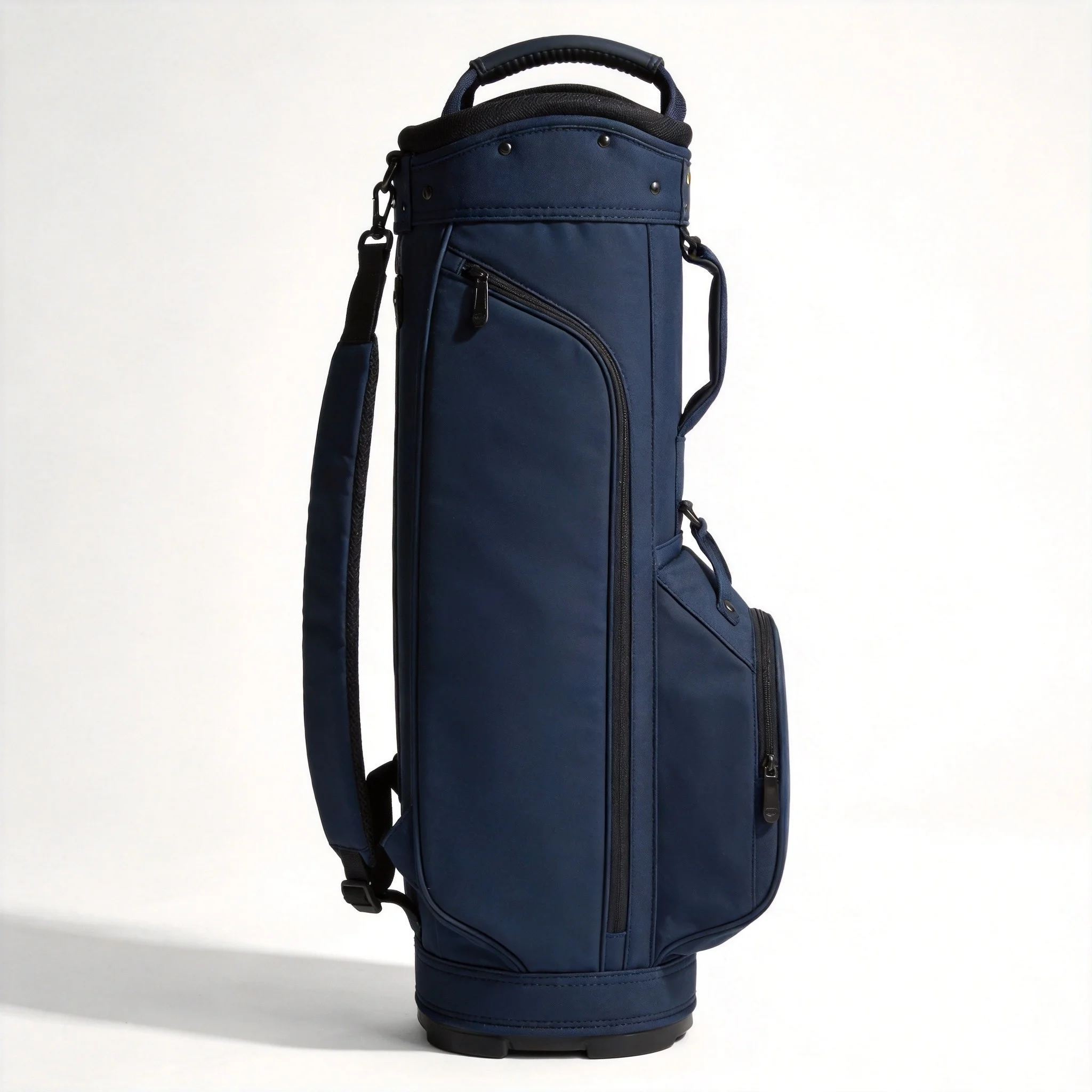
The safest way to travel with golf clubs is to brace the clubheads, fill every gap in the bag to stop shifting, put your most valuable clubs at the back, and choose a case rigidity matched to the risk of your flight — with a hard or well-stiffened soft case for air travel. This guide, from a golf bag factory that builds both golf travel bags and the bags you pack inside them, turns a stressful trip into a routine.
Why Proper Packing Matters
There is a reason experienced travelers are so particular about packing, and it is not perfectionism. A set of golf clubs is both long and relatively fragile, with graphite shafts and precision heads that are expensive to replace and travel poorly. Over the course of a single flight a bag can be dropped, compressed under other luggage and left in temperature swings, and every one of those conditions is manageable if the clubs are packed so they cannot move and cannot take impacts. Getting packing right turns a lottery into a near-certainty, and that reliability is worth the few extra minutes every single time.
Airline baggage handling is unapologetically rough. Bags are tossed, stacked and compressed, and a golf set is long and fragile relative to ordinary luggage. The gap between a carefully packed bag and a casually packed one is exactly the difference between clubs arriving intact and a broken shaft arriving with your name on it. Packing correctly is the cheapest insurance you will ever buy.
It is not just about avoiding breakage. A well-packed bag also protects your grips, clubhead finishes, the bag's own structure and the base and wheels of the travel case. Attention here saves you hundreds in repairs and the aggravation of replacing equipment mid-trip.
Hard Case vs. Soft Travel Bag
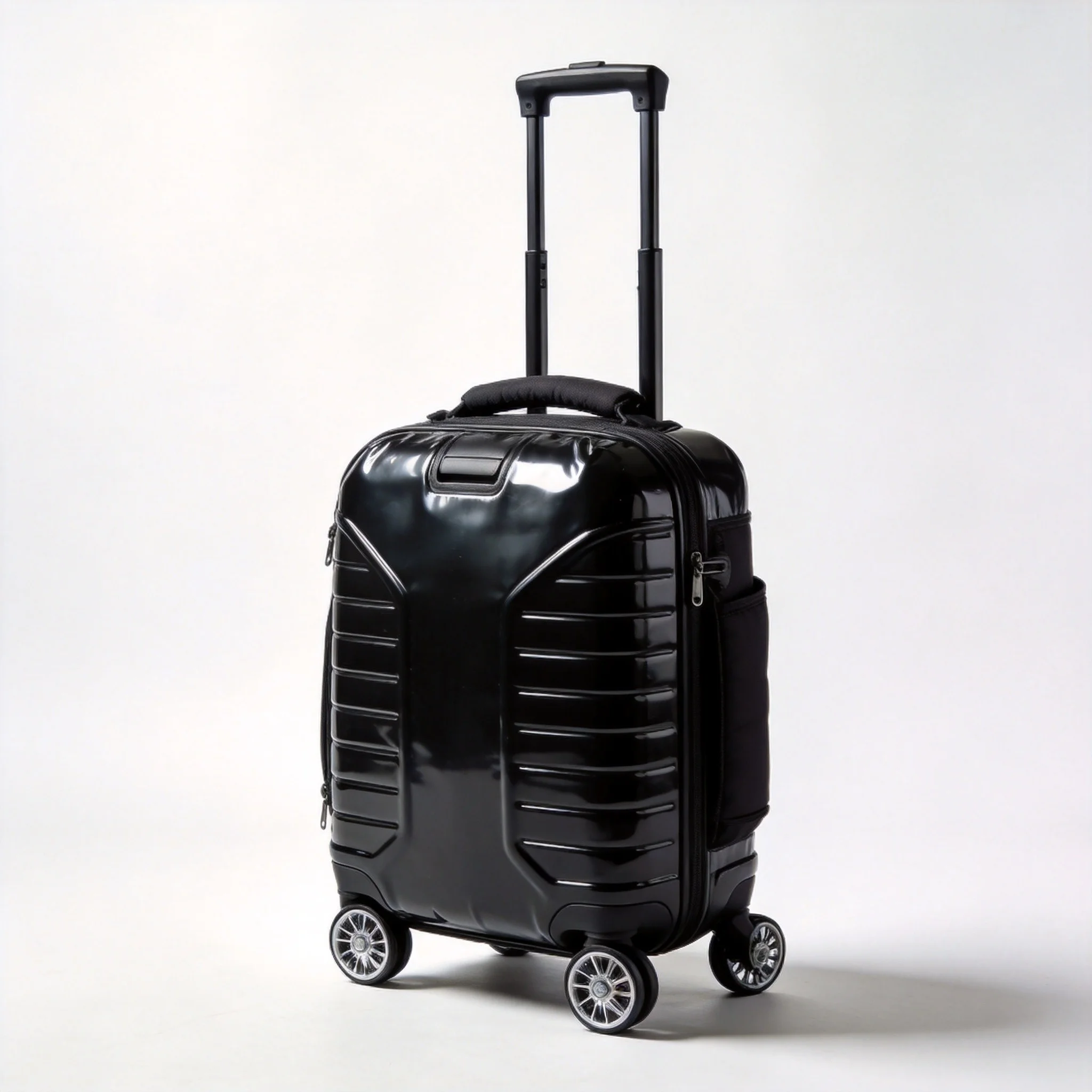
Because both hard and soft cases are legitimate, the decision should rest on three practical factors: how much handling your journey involves, how you will manage the case at home and on the trip, and how much value you place on the clubs inside. Frequent flyers and long-haul travelers tend to use hard cases for their superior impact protection. Occasional, short-haul travelers often prefer soft cases for weight and easy storage. Neither is wrong; the right choice is the one that leaves you confident in the protection your particular trips require.
Choose protection to match the trip. Hard cases deliver the strongest defence against impact, stacking and compression during air travel, making them ideal for frequent or long-haul flying where bags face the most abuse. Soft cases are lighter, pack away easily at home, and are perfectly adequate for short, lower-risk trips — provided you brace the heads and pad the interior.
The deciding factors are trip length, flight frequency and how much you value the clubs in the bag. Many golfers keep both: a hard case for serious travel and a soft case for domestic hops. Whatever you choose, match the internal packing to the case stiffness — softer cases need more internal bracing.
| Consideration | Hard case | Soft case |
|---|---|---|
| Impact protection | Highest | Moderate |
| Weight | Heavier | Lighter |
| Storage at home | Bulkier | Compact |
| Best trip type | Frequent / long-haul | Short / domestic |
| Packing effort | Less internal bracing | More internal bracing |
Arranging Clubs Correctly
The detail of how you align clubs tends to get overlooked, yet it is one of the cheapest protections available. With longer clubs seated at the back of the bag, their taller heads sit higher and are less likely to take a direct knock from a neighbouring grip or the case wall. Keeping like clubs grouped and heads separated by a wrap stops the scraping and clattering that ding finishes. And because it costs nothing, a consistent arrangement gives you real protection with zero extra weight or cost, which is exactly the kind of efficiency smart packing is built on.
How you position clubs in the bag sets the foundation. Place longer clubs — driver, woods and long irons — toward the back of the bag so their heads sit higher and safer, and shorter clubs toward the front. Interleave clubheads slightly so grips sit flat and heads do not press directly on one another. Keep the putter and your most valuable clubs positioned where they are easiest to pad and protect.
This layout keeps weight balanced, reduces head-to-head contact and minimises the chance a stray shaft takes a hard knock from a neighbouring grip during transit. A consistent arrangement also speeds packing and unpacking at each end of the journey.
Protecting Clubheads and Shafts
Understanding why clubhead protection matters helps you do it well. The heads are the most exposed point of the club and the place where both cosmetic damage and structural stress concentrate. A rigid brace holds the whole top assembly stable, while individual wraps absorb the small impacts between heads, and a soft layer on top takes the pressure when the case is compressed from above. Protecting the shafts is a matter of preventing the bag from twisting so shafts never flex against a hard edge. Together, head bracing and shaft stabilisation protect the two most fragile, valuable parts of the set.
Clubheads are the most fragile part of the set, and the fix is simple: use a clubhead brace, head covers and wraps. A rigid brace across the top of the bag locks heads in place and prevents them from knocking together. Wrap each head in a towel or soft clothing for extra cushioning, and place a padding layer on top to absorb pressure from above.
Shafts matter just as much — a flexed or compressed graphite shaft is a hidden failure waiting to snap on the first swing. Preventing the bag from twisting and preventing heavy items from resting on the shafts is the core protection. Secure the bag so it cannot shift inside the case, and never place anything heavy on top once packed.
Filling Empty Space: The Overlooked Trick
Filling the void is effective because it attacks the actual mechanism of damage. When a travel bag has dead space, the golf bag inside it can shift, slide and collide as the case is thrown and stacked, converting the case's motion directly into impacts on your clubs. By filling every gap with soft compressible material, you physically remove that movement, so even a rough ride leaves your equipment largely stable and cushioned. That is why this simple step consistently outperforms far more expensive protective gadgets, and it costs nothing more than the towels and clothing you were packing anyway. Concentrate the padding on the perimeter and the top, where impacts land hardest, and you are giving the case interior the best possible chance of absorbing a hard landing.
Empty space inside a packed travel bag is an open invitation to damage. When the bag shifts or gets compressed, the empty volume lets clubs and equipment move and collide. Fill every gap with soft, compressible items — towels, clothing, tees, a soft compressible liner — so there is no room for movement. This is the single most effective and least-appreciated packing technique.
Pay extra attention to the perimeter between the golf bag and the travel case wall, especially at the top near the heads. Padding there absorbs the impacts the case does not. A tightly packed bag with no dead space protects clubs dramatically better than a loose one inside the same case.
Protecting the Golf Bag and Travel Case
Your equipment includes the bag and the case, not just the clubs. Shield valuables in lined or padded pockets, keep small items in secure compartments so they do not become projectiles, and know that a golf bag with reinforced stress points stands up better to the ride. Check that zippers close fully and that any removable components are protected or removed.
On soft cases, paying attention to the base and wheels matters — they take the brunt of the trip. Choose a bottom with a padded or reinforced base, and keep handles and zipper pulls out of pinch zones. For a deeper look at how travel bags are built to survive, our materials guide explains reinforced construction.
Airline Policies: Know Before You Fly
Airline golf-bag policy is one of the least consistent parts of travel, which makes checking it a genuine necessity rather than a cautionary nicety. Carriers differ on whether clubs count within the ordinary checked allowance or as a separate oversize item, on the weight limits, on oversize fees, and on the exact dimensions they accept. Confirming these before you book lets you weigh them into the decision of what you bring and avoids an unwelcome fee and a scramble at the counter. The few minutes of research for your specific route and airline are almost always worth it.
Airlines treat golf equipment with specific rules that differ by carrier. Most accept golf bags as checked baggage within a stated size and weight limit, often with a fee, and some count it as part of your checked allowance. Before you book, confirm the airline's exact golf bag policy — dimensions, weight cap and charges — to avoid surprises at check-in.
Carry a copy of the policy and know your checked-baggage allowance. Oversize or overweight fees are the most common hidden travel cost for golfers, and they vary widely between carriers and routes. A few minutes of research saves both money and airport stress. For international trips, our airline size requirements guide is a handy reference.
Pre-Flight and Post-Flight Checks
A disciplined check both ends of the journey protects both your equipment and your ability to claim if anything goes wrong. Before flying, photograph the bag and contents and confirm the locking and tagging are secure, so you have a baseline of condition. On arrival, inspect the case and clubs before leaving the terminal so damage can be reported while you are still at the airline's airport, and hold onto any documentation. This routine converts what could be an emotional dispute into a calm, evidence-backed process that gets resolved fairly and quickly.
Photograph and note the condition of your bag and case before flying, so damage claims are easy to file. At the airport, confirm the case locks or zips are secure and that the bag tag is attached correctly. On arrival, inspect the case and clubs before leaving the terminal and report any damage to the airline immediately. Time and evidence are everything for claims.
A quick pre-flight and post-flight routine turns a potential dispute into a resolved problem. It also catches packing mistakes while there is still time to fix them. Make inspection as automatic as collecting your luggage.
Packing for the Rental-Or-Bring Decision
Before you commit to bringing your clubs, weigh the alternatives. Renting at the destination avoids all transport risk and weight fees but costs more and means using unfamiliar equipment. Bringing your own set guarantees your tuned clubs and grips. For a valued, custom-fitted set or a long tournament trip, bringing is usually worth it if you pack properly.
If you decide to bring, this packing routine gets your set there in one piece. If rental makes more sense, keep this guide for the trips where your own clubs matter most.
Caring for the Travel Bag After the Trip
It is easy to forget the travel bag the moment the clubs come out, but a few minutes of after-trip care preserves both the case and the protection it provides next time. Wipe down wheels and handles, which pick up grime on the ground and at check-in, and air out any dampness from rain or condensation before storing the case. Inspect zippers, seams, wheels and any locking mechanism, and fix minor damage now rather than finding it fail on the way to your next departure. A travel bag maintained as carefully as the clubs inside it protects you on every future journey, not just the one you just finished.
Your travel bag needs care too. Wipe down wheels and handles, empty it fully, and air out any dampness before storing. Check zippers, wheels and seams, and repair minor damage before the next trip rather than leaving it to fail en route. A travel bag maintained between trips protects your clubs every time you fly.
Traveling with golf clubs becomes simple when you pack deliberately: brace the heads, arrange longer clubs at the back, fill every gap, protect the bag and case, and match case rigidity to trip risk. Check airline policy in advance and inspect before and after each flight. A packed, protected, well-maintained travel setup delivers your clubs intact — every single time.
A Pre-Trip Packing Checklist
The reliable way to pack without panic is to run the same short checklist every trip so nothing is missed. Confirm you have a case fit for the flight risk, brace and protect the clubheads, arrange longer clubs toward the back, fill every void so the bag cannot shift, secure any loose and valuable items in padded pouches, and check airline size and weight policies in advance. Working this list top to bottom each time makes packing a routine rather than a worry and catches errors while there is still time to correct them.
A written or mental checklist is especially valuable for less frequent travelers, who are the most likely to forget a step. Ticking through clubs, protection, padding, valuables, and documentation before zipping the case is the difference between a trip you begin relaxed and one you begin anxious. Even a handful of repetitions turns the checklist into automatic behaviour, so you protect your equipment the same careful way every time you fly.
Protecting Valuables and Fragile Items
Clubs are the headline, but a travel bag carries more than a set of sticks, and protecting the rest matters too. Rangefinders, gloves, electronics and any small valuables should be stowed in lined, secure pouches rather than left loose where they can rattle, be crushed or be pilfered. A locked or zipped valuables area, and ensuring small items cannot move into the path of clubheads, protects them through the same ride the clubs take.
It is also worth carrying document-critical items, like your phone, wallet, passport and any essential medication, in your carry-on rather than the checked travel bag. That way, even in the rare case of a delayed or mishandled bag, you retain the essentials you need on arrival. A small amount of planning about what travels in the hold versus what stays with you removes a large amount of travel risk.
Choosing the Right Travel Bag for Your Conditions
If you are evaluating your options for a durable, airline-friendly travel bag, working with an experienced golf bag manufacturer can help you compare materials, hard versus soft construction and protective features before committing to a purchase.
Beyond the simple hard-versus-soft choice, think about the specific conditions your travel bag will meet. Frequent connections and long-haul routes involve more handling and more opportunity for damage, favouring the stronger protection of solid-construction hard cases. A tight regional flight where the bag sits close to you or is handled less, meanwhile, may justify the convenience of a soft case. Matching the protection to the journey, rather than buying one case for every imaginable trip, keeps you prepared without overpaying.
Consider too the practicalities of storage and transport at your destination. Many golfers travel onward from the airport by car, so how a bag fits in a car boot and rolls through terminals becomes part of the choice. Wheels, handles and shape all influence ease of movement, and a bag that is easy to move is more likely to be treated well along the way. Weigh these practical factors alongside raw protection to pick the case that suits your actual travels.
Travel Insurance and Fragile-Item Coverage
No amount of packing fully removes the small risk of damage in transit, which is why understanding your coverage is part of smart travel. Many travel and baggage policies cover checked sporting equipment, but the limits and exclusions vary, and some separate the value of expensive clubs from ordinary luggage limits. Reviewing your policy before you fly, declaring high-value equipment where required, and knowing what to document in a claim means you are prepared rather than discovering a gap after the damage occurs.
Photographing your bag and its contents, keeping receipts, and filing any claim at the airport or with the carrier immediately gives you the strongest position. Insurance is the backup to careful packing, not a replacement for it, so do both: pack to avoid damage and understand your coverage in case damage happens anyway. That belt-and-braces approach is what confident travelers use.
Conclusion
Packing a golf bag for travel is a system, not a struggle, and the system is simple: protect clubheads, arrange clubs so longer ones sit at the back, fill every gap to stop shifting, protect valuables, choose a case matched to trip risk, understand airline policy and your insurance, and inspect before and after each flight. Follow a consistent checklist and the routine becomes automatic, delivering your clubs intact to every destination. That reliability is what turns a potential source of anxiety into a smooth, dependable part of the trip, leaving you free to enjoy the golf you traveled for.
Sources
- How should I arrange clubs in my golf bag for travel?
- Place longer clubs at the back and shorter at the front, interleave heads so grips sit flat, and keep the putter well-padded and accessible.
- Do I need a hard case or soft travel bag?
- Hard cases offer the strongest protection for frequent or long-haul flights; soft bags are lighter and fine for short trips if packed with extra bracing.
- What should I pack to protect my clubs in transit?
- A clubhead brace, head covers, towels or clothing wrapped around heads, and padding in dead space so nothing shifts during the ride.
- Can I travel with golf clubs as airline baggage?
- Yes. Most airlines accept golf bags as checked baggage within stated size and weight limits, often for a fee — confirm your carrier's policy first.
- How do I prevent my golf bag from being damaged on flights?
- Use a stiff case, brace the heads, fill empty space, protect base and wheels, and inspect before and after each flight, reporting damage at the airport.