How to Extend the Lifespan of Your Golf Cart Bag
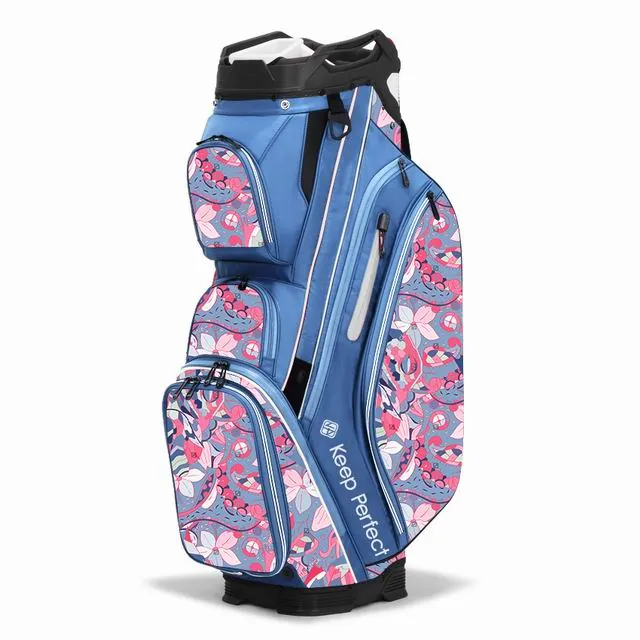
You extend a golf cart bag's life most by breaking the three wear accelerators — UV sun exposure, storing it loaded and compressed, and hard knocks to base and strap points — while keeping a simple rhythm of wipe-clean, dry storage and mid-season deep cleaning; in practice, a good cart bag that is wiped after every round and stored dry out of the sun lasts five years or more, whereas one left loaded in a car boot can fail its straps and zippers much sooner. That is the maintenance guidance QUANZHOU JUNYUAN BAGS (founded 2014, founder in the trade since 2004) gives the brands and players who want their cart bags to stay in play, and it comes straight from how we build and test them across more than 200 brands in 100+ countries.
A cart bag works hard. It is hauled onto carts, strapped and unstrapped, rained on, parked in the sun, and banged into trunks and trolley handles. Surprisingly, most of what shortens its life is not the wearing of the fabric but three predictable enemies: sunlight that fades and embrittles the shell, compression that fatigues the base and bends the top ring, and mechanical stress on zippers and straps that are the first parts to fail. Learn to manage those three and you unlock nearly all the lifespan a well-built bag is designed to deliver in the first place.
This guide is deliberately practical rather than theoretical, written the way a factory would talk about its own product: what breaks, why it breaks, and the low-effort habits that prevent the break. The advice divides into every-round habits, seasonal checkpoints, and the handful of structural rules — protect the base, the ring, the moving parts — that jointly decide whether a cart bag gives you three seasons or ten. For owners of a single bag and operators of a whole fleet, the same principles apply, scaled to the volume of use.
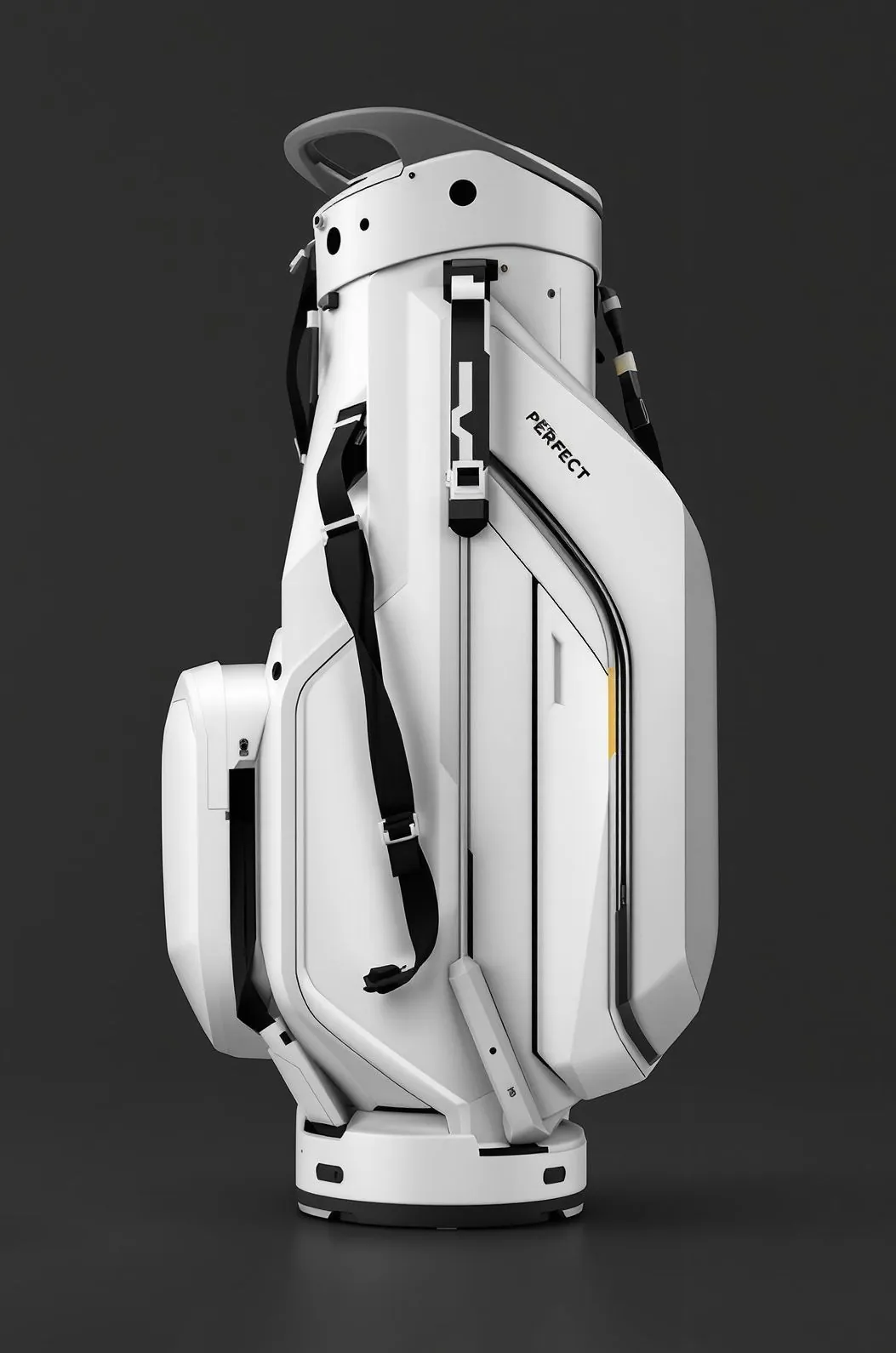
Clean the Shell After Every Round
The simplest life-extender is a one-minute wipe after each round. Dirt, grass stains, sunscreen, moisture and fertilizer residue left on the shell degrade the fabric finish and attract more grime, and over a season that layer chemically and physically wears the surface. A soft damp cloth to lift the loose dirt, followed by a light towel dry, keeps a cart bag looking new and protects the outer finish that repels water and UV. This is the single highest-return habit because it removes the residue before it hardens.
When a deep clean is needed — a few times a season or whenever the bag looks grimy — use mild soap with cool water and a soft brush, working pockets and panels individually. Rinse thoroughly so soap does not cake into zippers, and crucially, allow the bag to dry completely before storing, because moisture trapped inside pockets or under the lining is the fastest route to mildew and odour that no amount of surface cleaning removes. Air-dry in a ventilated area out of direct sun, which dries gently without adding UV damage to the shell water-repellent coating.
Never Machine-Wash a Cart Bag
However tempting, do not put a cart bag in a washing machine. Machine agitation can bend the rigid base plate, loosen the base from the shell, tangle and pull the full-length dividers, and stress the top ring — exactly the structural parts that determine how long the bag stays functional. The base, ring and dividers are not designed to be spun and tumbled; they are shaped flat and carried upright. Hand-cleaning protects those internal structures, which are far harder and costlier to fix than a stained panel.
The same hands-off logic applies to harsh chemicals. Avoid bleach, petrol-based cleaners and solvent sprays on the shell, because they attack the coating that keeps the fabric waterproof and fade-resistant. If a stain needs more than soap and water, test any cleaner on an inconspicuous seam first, then rinse fully. Treating the shell gently protects the factory-applied finish, and the finish is what keeps rain beading off and colour holding over years of play.
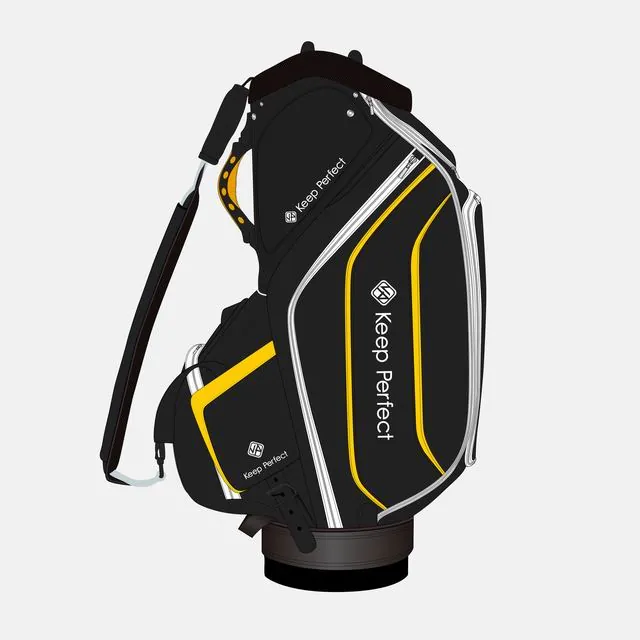
Store It Dry, Empty and Out of the Sun
Storage is where most long-term damage actually happens, and it is entirely in your control. Empty the bag before any long break. A bag stored loaded keeps its base plate under constant weight and bends the top ring under the pressure of standing clubs, so over a winter those compression forces permanently deform the structure. Emptying, and standing the bag upright on its base or hanging it from a strap at the top, lets the structure rest in its designed, unstressed shape.
Location matters too. Store in a dry, cool place out of direct sunlight — a utility room or closet rather than a garage window or car boot. UV is cumulative: even on a shelf, months of sun through a window will fade a shell and embrittle the fabric. A breathable dust cover helps keep it clean without trapping moisture; avoid a sealed plastic bag, which holds condensation. For a family with multiple bags, storing each upright on a rack keeps the bases flat and the rings round, preserving exactly the shape the bags were built to hold.
Protect Zippers and Straps, the First to Fail
Zippers and straps are the moving parts of a cart bag and, as with any product, the moving parts fail first. Keep zippers clean and free of grit by giving the teeth a quick brush as part of the after-round wipe; grit hunched in the teeth is the main cause of zips that snag and jam. If a zipper sticks, a gentle wipe that clears the track usually restores it, and a tiny, careful lubricant on the teeth can help on stubborn ones. Never yank a jammed zipper — ease the fabric clear of the teeth first.
Straps deserve equal attention. The carry handle, the cart strap path and any shoulder strap take repeated, forceful load, and the stitch lines and buckles there wear fastest. Check the stitching on the top handle and strap attachment periodically — a loose thread or a worn buckle catches before the whole strap fails, and catching it early is a five-minute repair rather than a broken bag on the course. If a strap or buckle does wear through, many factories including ours offer spare straps or minor repairs, so a single worn part does not have to end the bag's life.
Mind the Base and the Ring
Two structural parts carry the bag's longevity: the rigid base plate and the top ring. The base is what holds the bag upright and stable on a cart, and it fails early if the bag is repeatedly dropped hard on its bottom or forced flat into a small trunk space or under luggage. Set the bag down gently on its base rather than tossing it, and never stand on it or stack heavy loads on it. A base that is knocked out of true turns an otherwise healthy bag into a wobbling, unstable one quickly.
The top ring, meanwhile, is the frame that keeps dividers and clubs in order, and it must keep its shape under the weight of a full set every round. Same principles — avoid compressing it, avoid loading the bag so heavily that the ring flexes and bends under sustained pressure, and don't leave the bag clamped so tight in a rack that the ring is crushed. When both the base and the ring stay true, the bag holds its shape and its clubs stay organized, and both form the structural floor underneath the fabric that most buyers see. Look after them and the visible shell, straps and zippers have a strong frame to carry themselves on.
| Care Habit | What It Protects | How Often |
|---|---|---|
| Wipe the shell | Fabric finish, water/UV coating | After every round |
| Deep clean by hand | Grunge, mildew, odour | Every few weeks |
| Empty & dry store | Base plate, top ring shape | Every off-season |
| Brush zipper teeth | Zipper track & pull | Weekly |
| Check strap stitching | Handle, strap, buckle | Monthly |
| Gentle set-down | Base plate integrity | Every use |
When to Repair Instead of Replace
Not every failure means the end of the bag. Zippers can be re-fitted, straps replaced, piping and cuff rewound, and on many bags a popped stitch is a five-minute fix with a needle and thread done at home or at a tailor. Before replacing a bag for a single worn part, ask whether that part can be repaired or swapped; extending a bag by repair is both cheaper and greener than shipping a brand-new one for a broken zipper. A well-built bag's fabric and structure outlast its moving parts, so repairing the parts is usually the smart economy.
That said, know the point where repair no longer pays. If the base plate is cracked and unstable, the dividers are torn, or the fabric is degraded and delaminating across a large area, the bag has reached structural end of life and no strap replacement will restore its function. This is the honest line between "repairable and worth it" and "time to invest in a new bag." If you are replacing, choosing a bag from a manufacturer that stands behind its stitching is the best forward investment in lifespan.
A practical way to extend any bag's life is simply to alternate two bags through the season if you play very often, letting each dry and rest between rounds. Rotating gives the base, ring, zippers and fabric recovery time and halves the cycles each bag sees; many frequent players who want their equipment to hold their value use a two-bag rotation for exactly this reason. It is a low-tech, high-leverage habit that spreads the same wear over a longer span of years.
Seasonal Maintenance Checklist
Two moments a year deserve a dedicated maintenance pass. At the start of the season, do a full inspection: check every zipper, tighten any loose stitching, confirm the base sits flat, and deep-clean and condition the shell before its first hard rounds. At the end of the season, repeat the clean, dry the bag fully, and store it empty and upright out of the sun. These two checkpoints catch the small issues before they become season-killing failures, which is exactly how a bag you like becomes a bag you keep for years, rather than a bag you replace.
Finally, tell other golfers: most lifespan loss is avoidable with habits that cost under a minute each. A wipe, a dry store, a gentle set-down and a watchful eye on zippers and straps will outlast any amount of fabric quality on its own, because even the strongest shell dies early if its moving parts are neglected. Extend your bag's life the same way a factory would — care for the parts that take the load, and let the structure you paid for do its job for many happy seasons on the course.
UV Is the Quietest Killer of Fabric
The reason a cart bag fades and cracks is cumulative ultraviolet light, and it works even when you are not looking. A shell left parked in the sun every round, or stored in a sunny garage, is slowly having its dye bonds broken and its fibres embrittled, so that after a season or two the fabric loses colour depth and gains a stiff, chalky feel that flexing makes worse. UV damage is gradual and invisible until it is done, which is why it is the most underestimated of the wear accelerators.
Mitigation is about reducing total exposure, not impossible avoidance. Park the bag in shaded spots where feasible, store it out of direct window sun, choose a shell whose coating or colour resists fading when buying, and use a cover when the bag sits in a trunk or on a porch for long stretches. If the shell has already begun to fade, no cleaner restores it — which is the strongest argument for prevention. For a full look at fade-resistant and UV-stable shell materials and reinforced coatings, the materials guide covers the options.
Moisture and Mildew: Dryness Is Its Own Habit
Moisture trapped inside a cart bag is a slow, quiet destroyer. Rain that runs into an open pocket, a damp towel left in a pocket, or a bag packed away wet can seed mildew inside linings and under pockets, where it stains, smells and weakens fabric without being visible on the outside. Unlike a surface stain, mildew inside a closed pocket is hard to see until the odour gives it away, and once established it is very difficult to remove fully.
Prevention is cheap: shake or wipe a wet bag, open pockets to air after wet rounds, and never store damp. If mildew appears, clean the affected pocket with a diluted bleach-safe cleaner suited to the fabric, rinse thoroughly, and dry completely in a ventilated area — but never in a clothes dryer, whose heat can shrink and deform a bag. Building "dryness before storage" into the routine protects the most hidden and hardest-to-repair part of the bag, the interior, and keeps every season starting from a fresh, clean shell.
Common Zipper and Strap Failures, and Fixes
Of everything that fails on a cart bag, zippers and straps fail first and most often, and most of those failures are avoidable. A zipper that jams usually has fabric caught in the teeth or grit packed in the track — clearing it with a gentle brush and careful easing usually restores full function, and lubricating the teeth with a light, low-residue product keeps them sliding. The pull that detaches is a cheap part any tailor can re-fit, and the chain itself is replaceable, so a stubborn zipper is not a terminal diagnosis.
Straps go at the loading points. The top handle and cart-strap webbing see the most force, and the stitch rows there fatigue first; a loose thread caught early is a two-minute re-stitch, while ignoring it leads to a strap parting mid-round. Metal buckles and clips corrode and wear at their pivots with age and salty grime — a quick rinse and dry, and periodic checking of the mechanism, keeps them firm. Because every one of these parts is replaceable, the practical rule is simple: a bag dies only when its structure dies, not when a moving part wears out.
A Routine for One Bag or a Whole Fleet
The same care logic scales from a single player's bag to a club's entire rental fleet, and fleets benefit even more because they take heavy, varied use. A course that wipes and airs its cart bags between rentals, inspects straps and zippers on a fixed schedule, and stores equipment upright and dry in the off-season measurably stretches replacement cycles and keeps members' first impression of the equipment polished. Routine care, applied consistently, is cheaper than replacing worn fleet stock every year.
For a fleet, assign the inspection to a named person and a calendar, not to luck: weekly zipper-and-strap checks during the season, a spring deep clean, an autumn empty, clean and dry-out, and immediate attention to any bag a member reports faulty. Track which bags fail and on which parts, because that data tells you whether a defect is isolated or a pattern worth raising with the supplier. A small maintenance routine turns a fleet budget from an annual replacement into an every-few-years investment.
Build a Longer-Lasting Bag From the Start
The best way to extend a cart bag's lifespan is to start with one built to last, and that begins at the factory. Reinforced base plates, full-length dividers, doubled stitching at strap points and high-grade zippers are decisions made in production, and they set the practical floor on how many seasons a bag survives. When we build cart bags at QUANZHOU JUNYUAN BAGS — on a 4,950 m² main factory with 7 production lines, 126 sewing machines and 137 staff, verified by SGS in March 2026 — durability is a spec, engineered from the pattern up for brands across 100+ countries.
If you are a brand or club spec'ing a cart bag that should still be in service in five years, review the structural standards in our quality standards guide, compare materials in the materials guide, and start a build via custom solutions. Orders run at an MOQ of 200 pcs (test 100), sampling in 10-20 days, bulk in 45-60 days; write to service@junyuanbags.com or call +86 17750020688.
Frequently Asked Questions
- How often should I clean my golf cart bag?
- Wipe the shell after every round and deep clean every few weeks or whenever it looks grimy, using mild soap and cool water.
- How should I store a golf cart bag in the off-season?
- Empty it, clean and dry it, then hang it or stand it upright in a dry, cool place out of direct sun.
- Should I use a washing machine for my golf bag?
- Avoid it. Machine washing can bend the frame, loosen the base plate and tangle dividers; hand-clean instead.
- What is the most common cause of golf bag wear?
- UV sun exposure, storing the bag loaded and compressed, and hard knocks to the base and strap points.
- Can a worn golf bag be repaired?
- Often yes. Zippers, straps and piping can be replaced; many factories offer repair or spare parts.
- How long should a golf cart bag last?
- With regular care a good cart bag lasts five years or more; the base and zippers set the practical floor.
Sources
- Golf Monthly – How to Clean a Golf Bag
- Golf Digest – Golf Bag Care and Durability Guidance
- Golf.com – Golf Bag Maintenance and Reviews
- MyGolfSpy – Independent Golf Equipment Testing
Content director: QUANZHOU JUNYUAN BAGS. For durable cart bags or repair parts, email service@junyuanbags.com or call +86 17750020688.