A Golfer's Guide to Rain Protection: Keeping Your Bag and Clubs Dry
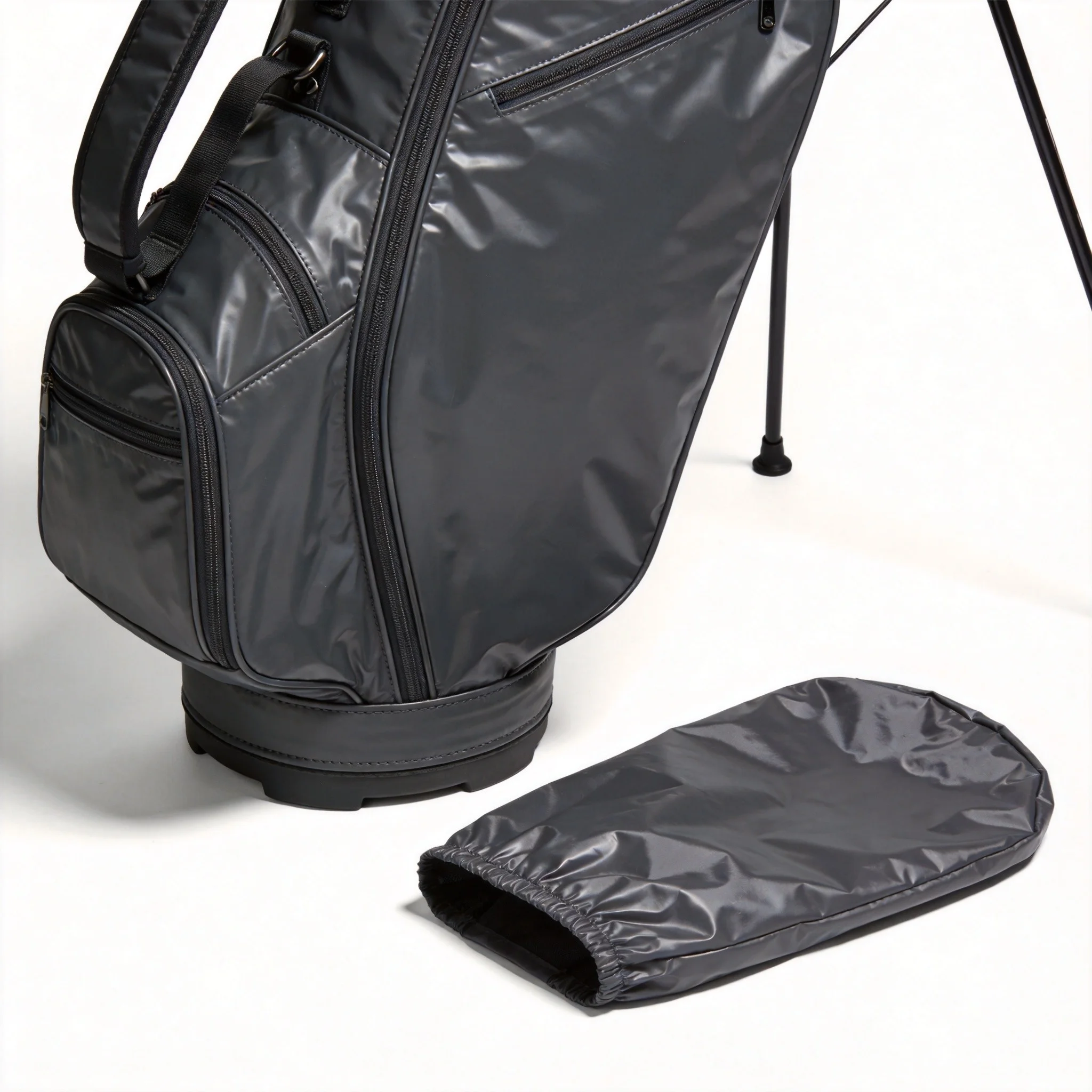
To keep your clubs and valuable dry in the rain, pair a true waterproof bag or a fitted rain hood with sealed zippers, and protect grips and gloves with rain gloves and an umbrella — while any serious rain protection starts with a bag whose fabric, seams and zippers are all genuinely sealed, not just water-resistant. This guide is written from a factory that builds waterproof golf bags, so the advice is grounded in how the protection is actually constructed.
A Dedicated Golfer Doesn't Let Rain Stop the Round
Playing in the rain is a test of preparation as much as golf. The goal is simple: keep the grips, glove hand, clubheads and your valuables dry, because moisture ruins performance and corrodes equipment. Getting wet yourself is manageable with proper clothing; letting the clubs get soaked is a different, costlier problem. The difference is decided long before you step onto the first tee — by how your bag is built and how you pack it.
Preferring to play through requires a repeatable system: a waterproof layer for the bag, a hood for the club area, protection for your hands, and a plan for drying it all afterwards. This guide builds that system piece by piece.
The First Line of Defense: The Rain Hood
Installing the hood correctly matters as much as carrying it. A hood that is not properly fitted over the club compartments will gap, letting water run down between the hood edge and the bag top and straight into the dividers. Take the seconds to seat it snugly and check it cinches or clips in place, and re-seat it after you reach into the bag so it does not sit askew. Treated as a fitted, secure layer rather than a loose cover, the hood reliably keeps the entire club area dry for the duration of a shower.
The rain hood is the fitted cover that seals the top of the bag over the club compartments while leaving pockets accessible. When there is any chance of rain, attach it before the round — a modern hood lets you reach clubs easily while keeping the club area dry. It is the fastest, cheapest layer of protection and works with either a waterproof or water-resistant bag.
Do not leave the hood in the garage or at the bottom of a pocket. Make it part of your routine kit. Combined with an umbrella, a hood protects both the clubs and the bag opening, which are the most weather-exposed parts during play.
Waterproof vs. Water-Resistant: Know the Difference
The practical distinction is best tested by a sustained storm rather than a passing shower. A water-resistant bag may emerge fine from a light three-minute drizzle, then surrender through its zippers under ten minutes of steady rain. A truly waterproof bag keeps that same water out across the whole downpour. If you have ever been caught far from the clubhouse in genuinely heavy rain, you know exactly which behaviour is worth paying for. Let the length and intensity of the storms you actually play in, not a label, set the level of protection you need.
The single most confused distinction in rain gear. Water-resistant bags shrug off a light drizzle or short shower, but prolonged rain finds its way through the fabric and especially the zippers. Waterproof bags are engineered to stop water entirely, using waterproof fabric (often PU or TPU laminated), taped or welded sealed seams, and sealed or baffled zippers. That difference in construction is what you pay for.
Fully waterproof bags are the right choice if you play in wet or humid climates, or if a downpour can ruin a valuable set. Water-resistant bags are adequate for occasional, expected showers. Match the bag to your real weather risk — a genuinely waterproof build is a serious structural upgrade, not a marketing claim.
| Feature | Water-resistant | Fully waterproof |
|---|---|---|
| Light drizzle | Handles fine | No problem |
| Prolonged rain | Lets water through zippers/seams | Stays dry |
| Fabric | Standard nylon/polyester | PU/TPU laminated |
| Seams | Standard | Taped / welded sealed |
| Zippers | Standard | Sealed / baffled |
Sealed Zippers: The Weak Point Nobody Checks
The humble zipper is where most waterproof claims quietly fail, which is why it earns special attention. Because water flows naturally along the line of the teeth, an unsealed zipper is a channel straight into the pocket, even on a bag whose fabric sheds the rain perfectly. Checking that a candidate bag uses sealed, baffled or protected zippers, and keeping them clean and well-lubricated over its life, closes the exact gap through which dampness spreads. Many an otherwise excellent bag has been let down only by this one, easy-to-overlook component.
Even a waterproof bag leaks at its zippers if they are not sealed. Water finds its way through standard zipper teeth, which is why genuinely waterproof bags use sealed, baffled or protected zipper systems that keep the track dry. When you are choosing a weather bag, examine the zippers — this is where "waterproof" claims live or die.
Keep zippers clean and lightly maintained, because debris compromises the weather seal just as it jams function. A clean, well-sealed zipper is the difference between a bag that survives a storm and one that silently soaks the interior. For how to protect coated zippers and waterproofing over time, see maintaining waterproof coatings.

Protecting Valuables and Pockets
Valuables deserve the most conservative treatment of anything in the bag, because a phone or rangefinder does not recover from a soaking. Treat an electronics pouch as a mandatory layer even in a normally waterproof bag, since humidity and the odd unsealed moment can still reach in. Keep valuables toward the protected top of the bag rather than the low base where water pools, and reseal any pouch fully after every access. This redundant layering costs almost nothing, travels in every round and removes the most expensive potential casualty of a wet day.
Rain reaches more than your clubs. Phone, wallet and keys live in pockets, and unless those pockets are waterproof or the bag is fully sealed, moisture can reach them. Use a waterproof pouch for electronics as an extra layer, and keep valuables in the most protected pocket. Even mild humidity over a round can be hard on gear, so redundancy is cheap insurance.
When a truly waterproof bag has sealed zippers and a lined valuables pocket, you can stop worrying about electronics entirely. For everything else, a resealable dry pouch inside a pocket adds near-zero cost and covers you completely.
Essential Rain Gear for the Player
Beyond the bag, protect your hands and visibility. Rain gloves are built with grip compounds that hold in wet conditions — a genuine game-saver. A large, wind-resistant double-canopy umbrella keeps rain off both you and the bag opening. Multiple dry towels, one for hands and grips and another for face and clubs, keep you in control between shots. A waterproof pouch covers valuables.
This kit turns a wet round from a scramble into a manageable, even enjoyable challenge. The player-side gear is about grip and comfort; the bag-side gear is about protecting your investment. Assemble both and you are equipped for any forecast.
How to Dry Everything After a Rainy Round
For golfers who routinely face rain, view normal bag care as a two-part duty: protect before the round and fully dry after it. These bookends are what keep a bag genuinely rain-ready season after season.
Drying well is the difference between a bag that shrugs off weather year after year and one whose protection silently degrades. In addition to the obvious exterior dry, pay attention to the hidden moisture: behind pocket linings, inside cooler compartments, under the base and along seam lines where water lingers longest. Open every zipper and pocket, let the whole bag breathe for a full dry session rather than a hurried towel-off, and store it in a ventilated place until you are certain it is truly dry. Address waterproof coatings and seals as part of the routine so they continue to work on the next wet round.
The care after rain is as important as the protection during it. Shake out pooled water, open every pocket and zipper to allow airflow, wipe down the exterior, and air dry the bag fully in a ventilated area away from direct heat and prolonged sun. Remove clubs, grips and gloves and dry them individually. Never store a wet bag sealed — trapped moisture causes mildew and degrades coatings and padding.
For waterproof bags, dry behind seams carefully and avoid harsh solvents that strip coatings. Full drying keeps the bag's protection effective, prevents odour and mould, and extends its life. It is the quiet habit that separates gear that lasts from gear that fails. Our maintenance guide covers the full post-rain routine.
Waterproof Construction Is a Factory Decision
For anyone choosing or sourcing a rain bag, the construction method is where the quality is won or lost before it ever reaches the course. Laminated fabric that does not rely on a surface coating, seam-sealing that withstands flexing, and zippers engineered to stay dry together decide whether a bag genuinely delivers in the rain. This is why the most valuable habit for a buyer is to inspect and ideally test the construction rather than trust the label, and why a manufacturer that controls these steps consistently is a dependable source for a rain-ready product.
The most important thing to understand is that rain protection is decided at the factory, not the course. Whether your bag uses laminated fabric, sealed seams, baffled zippers and a sealed valuables pocket rests in the materials and quality controls chosen during production. A genuinely waterproof bag requires disciplined construction that a casual build simply cannot fake.
If you are sourcing waterproof bags for sale or a brand, this is where to scrutinise. Confirm the seam and zipper construction methods and inspect a physical sample. Our quality standards guide explains how to verify waterproof construction reliably.
Choosing the Right Waterproof Bag for Your Climate
The compact rule for rain protection is worth restating as a habit: fit the hood before the first drop, keep valuables sealed and dry, protect grips with rain gloves, dry the bag fully and unhurriedly after the round, and reserve genuine waterproofing for the genuinely wet climats seasons you live in. Each element is small and inexpensive next to the cost of a damaged set or a spoiled round, and together they form a system that is simple to remember and easy to rely on. Whether you are a weekend player in a dry region or a devoted golfer in a rainy one, the same layered principle applies: prepare ahead, protect the immediate risks, and give the equipment a proper dry before it is stored.
Match the waterproofing level to your actual weather. In tropical or consistently rainy regions, a fully sealed waterproof bag is a justified, near-essential investment. In temperate climates where rain is occasional, a water-resistant bag plus a rain hood and umbrella covers you well for most rounds. Consider whether you carry valuables on course — if so, sealed pockets add real protection.
Weight is the honest trade-off: full waterproofing adds layers and mass. Decide whether the extra protection is worth it for your frequency and climate. For a practical range of options, browse our waterproof golf bag range and the accompanying selection guide.
Conclusion
Rain protection is a layered system: a bag built with genuine waterproof construction, a fitted rain hood, sealed zippers, protected valuables and the right player gear, followed by thorough drying. Understand the difference between water-resistant and waterproof, match the level to your climate, and buy factory-verified construction. Do that, and you can play through the pour knowing your equipment is safe.
How Rain Actually Affects Your Round
One further consideration is that rain protection is only as strong as its weakest link, which is why a consistent, layered approach outperforms any single miracle product. The bag fabric, the sealed seams, the baffled zippers, the fitted hood and the careful drying between rounds all work together, and neglecting any one quietly reopens the channel that lets water reach your clubs. Building the habit of checking all of them together, rather than relying on one supposedly waterproof feature, is what delivers the reliability wet-weather golfers depend on. Treat the system as a whole and it protects you uniformly; treat it as a single item and a wet round will find the gap you left open.
Understanding why rain protection matters starts with how wet conditions change the game. Rain soaks grips, which slides the club in the same hands that judge a shot, and it collects on clubfaces, altering spin and ball flight. Moisture also works into the bag and equipment over a long round, risking rust on steel heads and mildew in pockets if left untreated. Each of these effects is manageable, but only if the water is kept away from the clubheads and grips at the moment it falls, which is precisely the job the bag, hood and your bagside habits perform together.
There is also the wider picture: a golfer who is dry and in control plays better than one fighting soaked gloves and a slippery grip. Comfort and concentration are genuine performance factors, and good rain gear buys them back. So rain protection is not merely about protecting equipment; it is about keeping you composing a clean stroke instead of wringing water from your glove between shots. That is why players who routinely play through wet weather treat it as a routine skill rather than a haphazard scramble.
A Pre-Round Rain Check and Packing Routine
A practical habit that saves grief is to make the rain check part of your standard routine rather than a response to a grey sky. Because forecasts change and showers often arrive without warning, the prepared golfer does not wait for a confident prediction: if there is any serious chance, the hood goes on at the car park and the valuables pouch is sealed before the first tee. This small discipline means you are never caught scrambling mid-round, and it turns what could be a wet disaster into an ordinary, well-managed part of a normal round the instant the first heavy drops fall. The equipment stays dry, your valuables stay protected, and you stay composed enough to keep hitting good shots through conditions that would rattle a less prepared player.
The most reliable way to handle rain is to prepare for it before you tee off, because none of the protective habits work if the rain hood is still in the trunk. Run a short pre-round check whenever there is any chance of precipitation: fit the rain hood, confirm your valuables pouch is sealed, keep rain gloves and a towel within reach, and if the forecast is serious, verify the bag's waterproofing and zipper seals before you leave home. A two-minute checklist at the start removes the panic entirely when the first heavy drop falls.
Packing for rain is just as much about what you bring as how you protect: waterproof pouches for electronics, a spare dry towel sealed inside the bag, and rain gear you can reach without digging. The difference between a golfer who plays smoothly through a shower and one who is caught unaware is almost always preparation made in advance rather than skill acquired in the moment. Making the check automatic means it happens on every damp morning, not only on the days you expect trouble.
When a Rain-Specific Bag Earns Its Place
For golfers in genuinely wet climates or those who play through all weather, a dedicated rain-specific or waterproof bag is not a luxury; it is the practical core of the kit. Because waterproof construction is decided in the factory through laminated fabric, sealed seams and baffled zips, it cannot be patched in later by accessories alone, so buying the right bag is the only way to get full protection. In regions where rain is a routine part of the season, that capability pays for itself by protecting a costly set and keeping you comfortable enough to keep playing.
For the majority of golfers in drier climates, a rain hood, a water-resistant bag and disciplined drying habits cover most situations at lower cost and weight. The honest decision is to match the level of waterproofing to the amount of real rain you face, in the same way you would choose any weather-specific gear. Knowing when a rain-specific bag earns its place, and when the lighter all-rounder plus a hood is enough, is exactly the judgement that keeps your kit effective without over-buying. The separating factors are your climate, how often you play in wet weather, and how much you value keeping a premium set dry through it.
Sources
- Is a waterproof golf bag worth it vs a water-resistant one?
- If you play regularly in wet or humid climates, yes — it protects grips, gloves and heads that water-resistant bags cannot. Match it to how much rainy play you do.
- How does a golf bag rain hood work?
- A fitted cover secures over the club compartments, sealing the club area from rain while keeping pockets accessible.
- What makes a golf bag truly waterproof?
- Laminated waterproof fabric, taped or welded sealed seams, and sealed or baffled zippers. Anything missing one of these is only water-resistant.
- How should I dry a golf bag after playing in the rain?
- Shake out water, open all pockets and zippers, wipe the exterior, and air dry fully away from direct heat and sun. Never store a wet bag sealed.
- What gear do I need to play golf in the rain?
- A rain hood or waterproof bag, rain gloves, a wind-resistant umbrella, dry towels and a waterproof pouch for valuables.