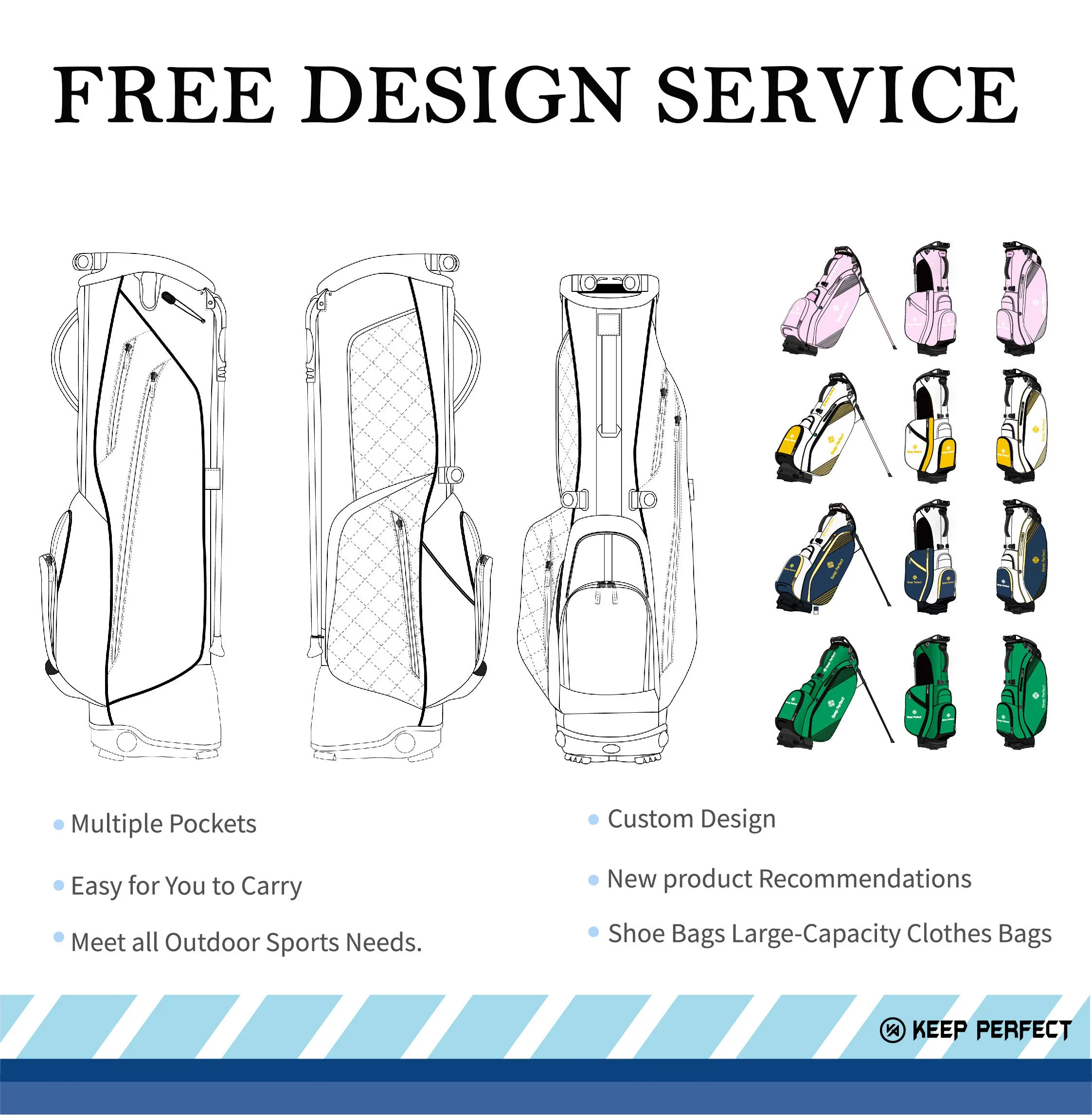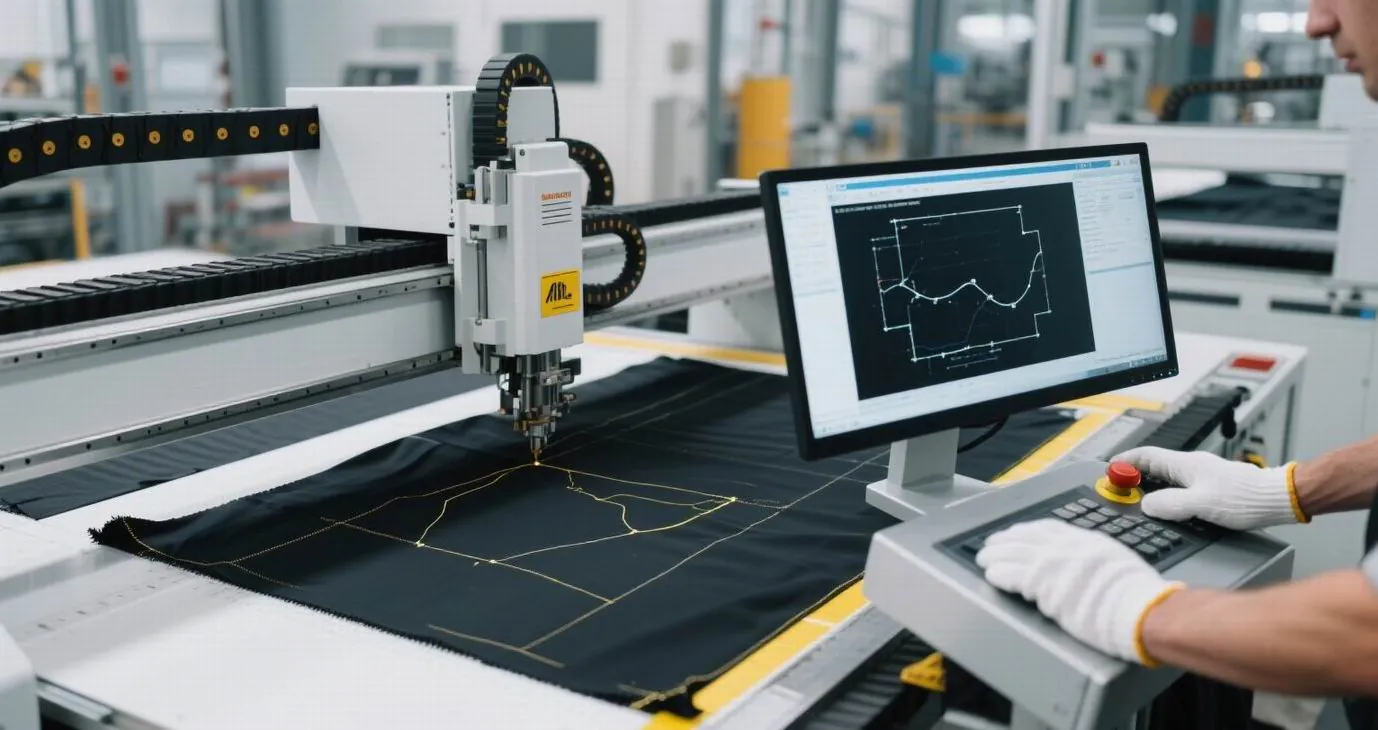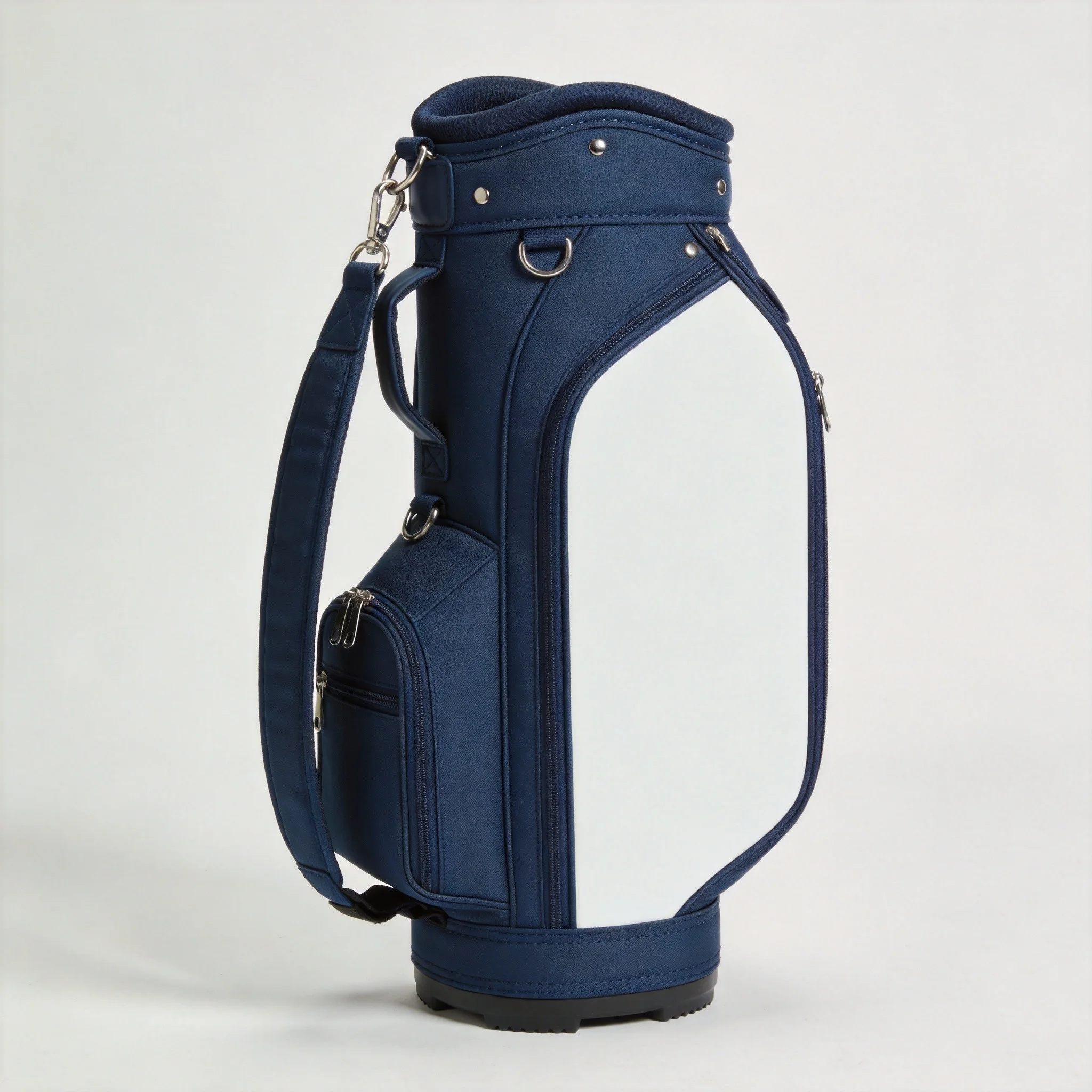
The future of golf bag design and manufacturing through 2030 is being written by data that is already public: The R&A counts 112.2 million golfers worldwide (up 4.2 million year-on-year), and market researchers project the golf bag market to reach roughly USD 2.3 billion by 2030 (Grand View Research) or USD 1.66 billion by 2031 (Mordor Intelligence). Those fundamentals point to five trajectories that will define the next product cycles — true lightweight construction, all-weather engineering, modular organization, smart connectivity and verifiable sustainability — alongside a manufacturing base that must deliver them at scale, on cost and in quality. This outlook maps those five trajectories onto concrete development priorities for brands and the OEM/ODM factories that build their lines.
Forecasts are directional, not deterministic. The most useful outlook separates structural forces — participation, materials science, distribution, sustainability policy — from transient fashions, and evaluates each against what a factory can realistically build. This guide does exactly that, citing public sources so you can weigh the evidence yourself and close with a practical R&D roadmap for the 2025-2030 window.
The Structural Foundation: Participation Into 2030
Every credible bag-market forecast rests on participation, and the recent data is emphatically positive. The R&A's 2025 Global Golf Participation Report counts 112.2 million people playing golf across all formats — up 4.2 million year-on-year — with 65 million adults and 47.1 million juniors, and roughly 43.9 million playing on 9- and 18-hole courses. Off-course formats engage over 68 million, and women make up about a third of adult participants. If participation keeps climbing at even a fraction of recent rates, the addressable pool of bag buyers expands steadily through 2030, supporting both first-time purchases and the replacement cycle.
Participation is not the whole forecast, but it frames every decision in it. Because rounds, formats and travel all require a bag — and because more players now own multiple bags for walking, cart, travel and off-course use — the pool of demand is wider than the on-course golfer count alone suggests. A robust projection therefore multiplies participation by format and by ownership, and lines designed for the fast-growing walking, junior, women's and travel cohorts capture the portion of that pool the giants were slower to serve.
Everything in a 2030 forecast rests on how many people play and how they play. The R&A's 112.2 million-golfer count, with juniors at 47.1 million and women now about a third of adults, plus a large off-course and simulator population, translates directly into bag demand across first purchases, upgrades and multi-bag ownership. The practical translation: every format and price tier has a demographically grounded buyer, and lines that map to the fast-growing cohorts capture demand the giants were slower to serve.
For development planning, the most actionable insight is demographic: juniors and women are the fast-growing cohorts, demanding bags with different geometry, weight and colorways. Designing for those segments now positions a brand to capture the largest share of new demand, rather than defending an aging core buyer.
Trajectory One: True Lightweight Construction
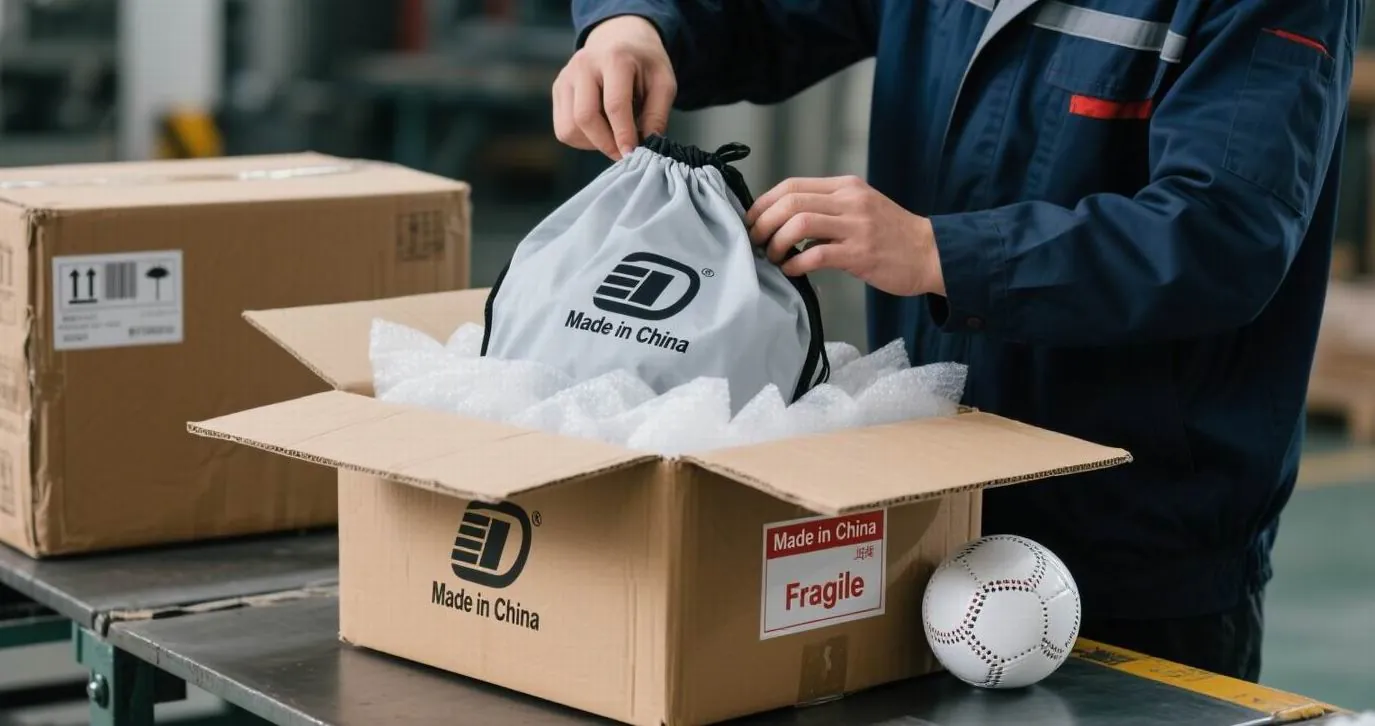
Weight will remain the defining engineering problem to 2030. The walking-golfer segment is the largest, and consumers increasingly reject heavy carry loads. Advances in high-tenacity nylon, engineered laminates and localized carbon-fiber reinforcement are pushing gram targets down while preserving rigidity and abrasion resistance. The winning designs will not simply shave fabric — they will integrate the frame, hip padding and strap system so that a lighter bag also carries better, balancing rigidity against flex where it matters.
Lightweight is engineered, not mysterious. Reaching a sub-five-pound walker that still survives a season means a low-density but durable shell, a frame tuned for stability without excess, minimalist hardware and straps engineered for both weight and comfort. It is a compounding set of small savings rather than one breakthrough, and that nature is exactly why it has to be verified at every material selection. The brand that publishes honest itemized weight tables turns this engineering chain into a marketable, comparable advantage.
True lightweight progress is a compounding engineering story across shell, frame, hardware and straps. Each subsystem shaves grams while protecting durability, and the cumulative result is a sub-five-pound walker that still survives a season. Brands should publish honest itemized weights and require test data, because in the walking segment weight is the most compared number on the page.
The competitive edge will go to factories with documented weight-optimization processes: material substitution modeling, frame geometry testing and repeatable quality checks. Weight claims must be verifiable in sampling, because a spec that reads light but flexes under load fails on the course and generates returns.
Trajectory Two: All-Weather Engineering
Weather performance will continue maturing from feature into baseline. Coated laminates, TPU films and sealed construction will expand beyond the premium tier as branded waterproof options in cart, stand and travel categories become expected by consumers in wet climates. The next frontier is breathability and thermoregulation — keeping a bag weatherproof without trapping humidity that damages clubs and apparel. Materials science is converging on laminates that repel water while allowing vapor to escape.
All-weather ability is tested in three places: the shell fabric's laminated or coated rating, sealed water-rated zippers and the seam line. When these are all specified and verified — and a bag is ingress-tested rather than just called waterproof — the weather story becomes a documented claim a buyer can trust. That trust converts in wet-climate markets and protects margin by cutting the returns and negative reviews a soggy spec invites.
All-weather engineering is the quiet workhorse of the future line. Coated and laminated fabrics, sealed zippers, taped seams and tested ingress protection move weather survival from marketing language to verified specification. Because returns and negative reviews in wet climates are expensive, the brands that document real waterproofing both win the weather-belt buyer and protect margin by cutting the returns that a soggy spec invites. It is an investment that pays in retention as much as in conversion.
For buyers, this trajectory raises the bar on spec verification: seam taping, zipper quality, closure type and ingress testing all become documented attributes. Our weather-protection guide details the technical requirements that will become standard procurement checks.
Trajectory Three: Modular and Convertible Organization
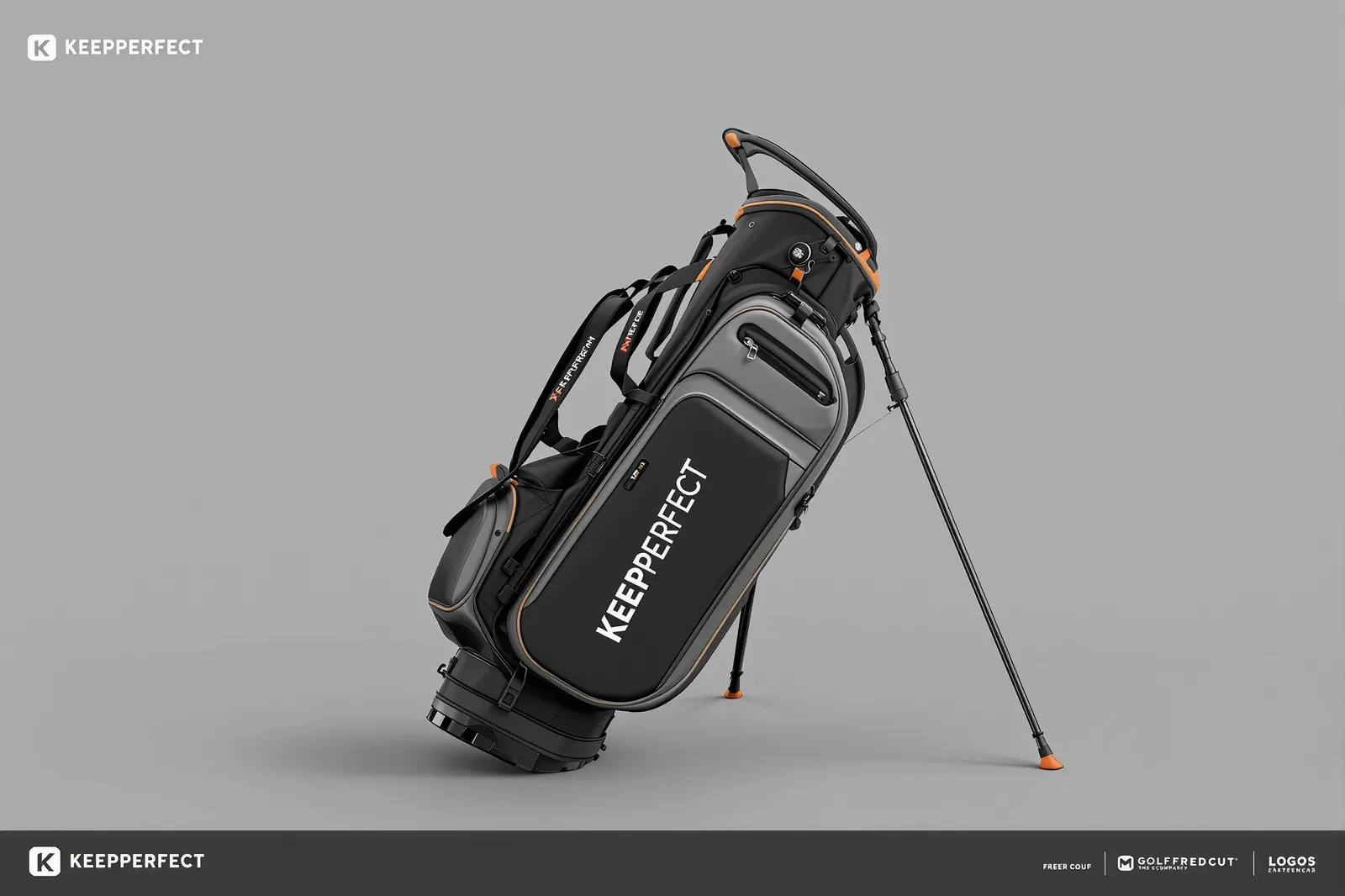
Organization will move toward modular and convertible systems. Beyond the still-standard 14-way full-length dividers, future bags will offer interchangeable accessory modules, convertible straps between carry and cart configurations, and pocket systems that adapt to the round — tournament day, travel day or casual nine. Modularity is powerful because it extends a single platform across use cases without a full redesign, lowering per-SKU investment while broadening appeal.
A modular platform is a strategic asset, not just a convenience. Interchangeable straps, removable pouches and movable dividers let one shell serve carry, cart and travel roles, stretching a single SKU's usefulness and shrinking inventory. For a factory, parts-shared platforms amortize tooling and accelerate new variants, which is why the most efficient programs design platforms, not isolated models.
The caveat is tolerance. Modular attachments demand precise manufacturing so parts lock cleanly and stay durable through seasons of use. Our compartment design guide explains how pocket and attachment architecture translates to production realism.
Trajectory Four: Smart and Connected Features
Connectivity is the premium trajectory with the fastest growth from a small base. Future bags will increasingly be "smart-ready" — engineered with weather-sealed device pockets, cable-routing grommets, dedicated power-bank sleeves and structural pockets for GPS or tracking tags. The buildable middle ground keeps electronics as user-supplied accessories while the bag supplies clean integration and protection. Fully embedded charging and tracking will appear in select flagship lines, but the mainstream will favor smart-ready architecture.
The smart future belongs to hardware-friendly design. Rather than betting a prestigious line on fragile embedded electronics, the forecast favors architecture that supports the user's own devices — a well-placed, weather-sealed pocket, a padded sleeve and a clean cable route — because it delivers daily utility with far lower failure and return risk. As charging and GPS habits evolve, the line that can adopt new hardware without redesign is the one that stays current. That is the practical definition of smart-ready.
Smart features will follow the reliability curve, not the hype curve. Fully embedded electronics will remain a premium niche where charging reliability and repairability decide success, while smart-ready architecture — weather-sealed device pockets and cable routing — becomes a mainstream expectation. The forecast implication is hardware-friendly: design smart-ready pockets into the whole line so users can integrate GPS and portable charging without the fragility and return risk of embedded components.
We evaluate what is genuinely manufacturable in our smart bag technology guide, and we advise buyers to prioritize reliability over novelty in electronics-adjacent features.
Trajectory Five: Verifiable Sustainability
Sustainability will shift from branding to verifiable engineering. Recycled nylon and polyester are already leaving the niche, with major lines integrating meaningful recycled content and buyers increasingly requiring documented sourcing, recycled-content percentages and reduced packaging. Policy pressure in European markets and corporate procurement mandates will accelerate this. The differentiator will be evidence: certified materials, traceable supply chains and testable claims — not labels of convenience.
By 2030, documented environmental performance will move from preference to requirement in major channels and corporate accounts. The builders who invest now in traceable recycled content, audited production and printed certificates will own the standards conversation — and the flagship orders that come with it. Verifiability is the dividing line between marketing claims and commercial assets.
Our sustainable manufacturing guide walks through how to build and verify an eco-credible line. The strategic point for 2026-2030: sustainability becomes a procurement baseline, and the factories that document it first win the corporate and flagship orders.
| Trajectory | Time to Mainstream | Key Engineering Focus | Buyer Action |
|---|---|---|---|
| Lightweight construction | Now | Material substitution, frame geometry | Verify weight in sampling |
| All-weather engineering | Now | Sealed seams, zips, breathability | Document ingress testing |
| Modular organization | 2026-2028 | Attachment tolerance, pocket systems | Specify modular platforms |
| Smart connectivity | 2027-2030 | Weather-sealed device integration | Design smart-ready, not fragile |
| Verifiable sustainability | 2026 onwards | Recycled content, traceability | Specify certified content early |
Regional Development: Where the Line Will Ship
Regional demand will shape which trajectories pay off first. North America remains the largest single market at roughly 47% of value per Mordor, sustaining demand for premium performance bags. Asia-Pacific is the fastest-growing region, with the highest projected regional CAGR, powered by course development and a rising middle class. Europe drives sustainability requirements and waterproof adoption due to climate. A nationally agnostic development strategy — build to the highest common denominator (weather, weight, durability, recycled content) — lets one platform sell across all three regions.
Shipping by region changes the spec as much as the label. North America wants premium and value across retail and DTC; Europe leads the sustainability and corporate demand that turns documented recycled content into an order qualifier; Asia-Pacific is the fastest-growing demand region and the manufacturing base; warm-climate markets favor lighter, ventilated formats. Designing a shared platform with region-specific variants — waterproofing for northern Europe, breathability for the tropics, pricing for each income tier — captures each market without a dozen uncoordinated products.
The end markets diverge meaningfully by 2030. North America anchors premium and value volume with mature retail and a strong DTC channel; Europe leads sustainability requirements and corporate demand; Asia-Pacific is the fastest-growing demand region and the manufacturing base; Latin America and the Middle East add growth on accessible, warm-climate-friendly product. A forecast-savvy lineup ships regional variants from one factory, tailoring weather, weight and pricing to each market rather than running a single global SKU.
Manufacturing Implications of the Forecast
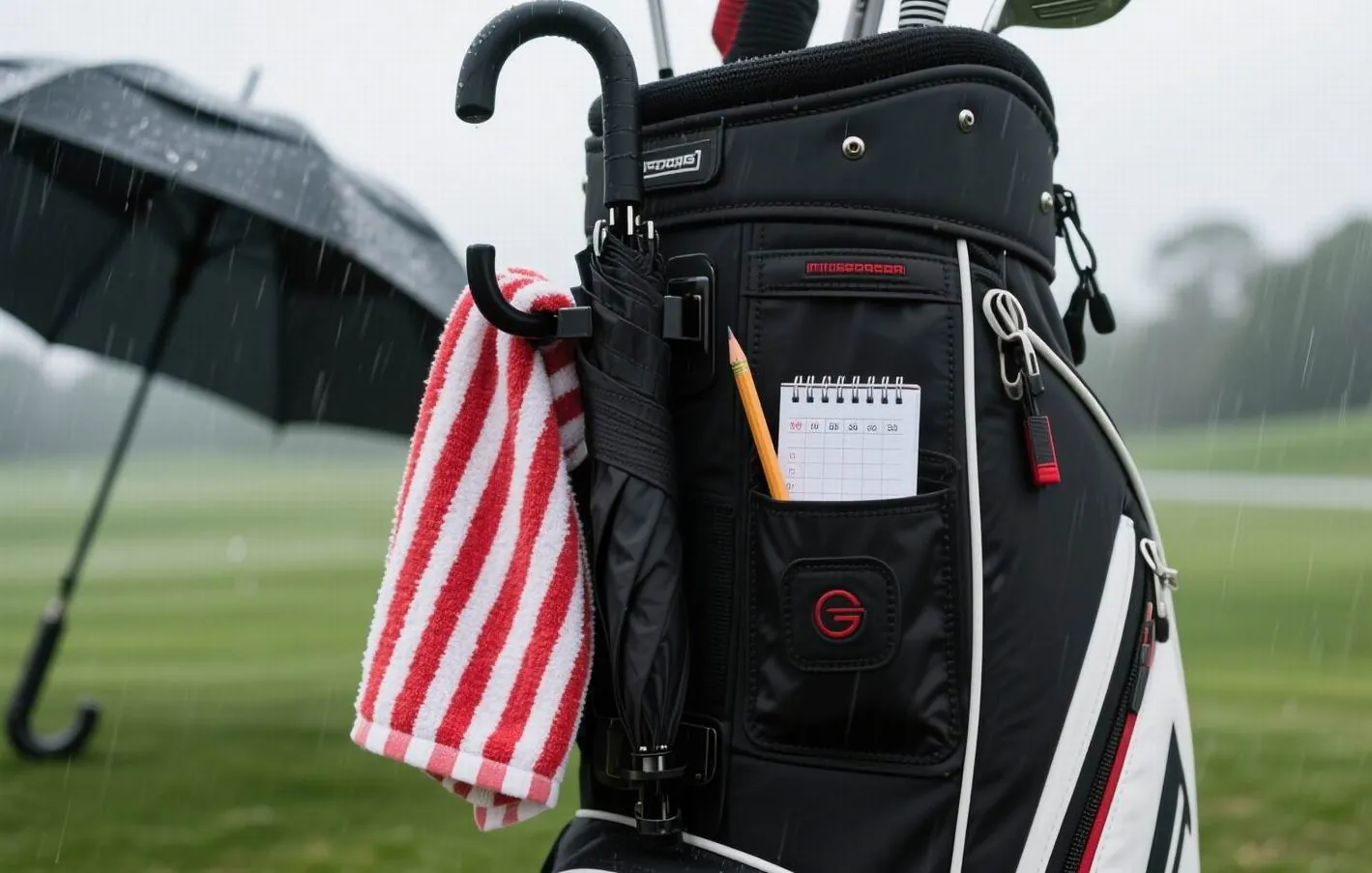
These trajectories raise the manufacturing bar. True lightweight products demand precise material processing; waterproof construction demands seam and zipper discipline; modularity demands tight tolerance; smart-ready features demand clean pocket architecture; sustainability demands certified material management and traceability. The factories that will thrive are those investing in process documentation, testing infrastructure and material partnerships — not just cheaper labor.
The forecast is a capability program, not a wish list. Hit weight targets with precision tooling and low-density materials; weatherproof smart-ready pockets with sealed assembly discipline; hold modular tolerances so parts interchange; and document sustainability with traceable sourcing. Factories that invest in and prove these capabilities in sampling are the ones that will capture the growth; buyers should qualify them on sample turnaround, defect rates and on-time delivery before negotiating volume.
Manufacturing must be capability-led to capture the forecast. Lightweight frames require precision tooling; smart-ready pockets demand weather-sealed assembly discipline; modular platforms need tight dimensional control so parts interchange; verified sustainability requires documented sourcing. Each trajectory is worth the investment only if a factory can prove it in sampling. Buyers should qualify partners on these process capabilities — sample turnaround, defect rates, on-time delivery — rather than a single volume-quote discount.
The forecast's implications are concrete for manufacturing. Lightweight frames demand precision tooling; smart-ready pockets require weather-sealed assembly discipline; modular platforms need tight dimensional control so parts interchange. A factory must invest in the exact capability each trajectory demands, and buyers must verify that capability in sampling rather than trusting a glossy capability page.
Buyers should evaluate a partner on documented capabilities in these specific areas, not on generic claims. Our production workflow guide and quality standards piece set out what a spec sheet should actually capture so these innovations are deliverable, not aspirational.
R&D Roadmap for 2025-2030
A realistic development roadmap is staged to de-risk investment:
Sequencing protects both budget and brand. Nailing the verifiable basics first means every subsequent feature stands on a proven platform; layering connectivity only after reliability is demonstrated in sampling avoids the classic failure of flagship fragility. For a buyer, this sequencing is a screening question — does the factory have the capability and process history for each milestone, or is it promising what it cannot yet prove? A partner with a clear, gated roadmap is more predictable than one with a crowded brochure.
A forward roadmap should park research where the market is moving. Weight targets, waterproofing classes, modular architecture and ergonomic standards are the verifiable spine of any future line; connectivity and advanced materials layer on as the technology and proof mature; certified sustainability and region-specific variants finish the program. Each milestone needs a measurable spec and a sampling gate, so spend follows evidence rather than appetite.
Year one: Verify established trajectories — lock lightweight frame processes, waterproof construction documentation and modular pocket tolerances in your line. Introduce recycled-material options as standard. Years two to three: Broaden smart-ready architecture and add convertible modular platforms across carry/cart/travel use cases. Years four to five: Integrate sustainability traceability and selected embedded smart features into flagships as materials and economics mature. Throughout, keep a two-category-plus assortment so a single-segment dip never stalls revenue.
A Long-Term Sourcing Perspective
The manufacturing base for these future bags is well established in the Chinese OEM/ODM ecosystem, which combines scale, material access and cost competitiveness. Western brands feeding premium lines and private-label players both depend on partners who can hold quality across the complex, multi-feature products the future demands. My recommendation as a manufacturer is to select partners on documented process capability — sampling speed, testing depth, material partnerships — because those are the true indicators of whether a future-proof line can actually be delivered.
The most durable advantage is process capability, not any single product. Partners that iterate samples quickly, document testing, control modular tolerances and schedule reliably will compound value across multi-year programs. Buyers should evaluate factories on process and history — sample turnaround, defect rates, on-time delivery — rather than a single attractive quote, and build relationships over deal-by-deal transactions.
For a complete starting framework, review our OEM vs ODM explainer and OEM sourcing fundamentals to structure your first engagement.
The Entry-Level and Junior Opportunity by 2030
The entry and junior tiers are where future customers begin, and participation data says they are growing fastest. By 2030 the winners will be brands that make first-bag purchasing frictionless — correct junior scale and balance, intuitive organization, safe materials and a reasonable price — and then retain those players as they graduate through the range. Acquisition at the entry and junior level is a funnel, not a transaction, and a durable line is built on converting that funnel into upgrades.
E-Commerce and DTC Demand Dynamics
Direct-to-consumer and online demand changes how bags must be presented. Without a physical fitting, buyers rely on structured specs, weights, dimensions and verified reviews, so accurate product data is the new sales floor. The corollary is that returns are a direct margin leak — a bag mis-specified on the page invites returns, so build-to-spec accuracy and honest listings are core economics, not afterthoughts.
The Subscription and Rental Modality
Emerging subscription and club-rental models let golfers try formats without outright purchase, converting casual players into eventual owners and reducing acquisition risk. For manufacturers this opens a distinct channel: durable, easily serviced rental fleets and low-commitment starter programs. It is an early signal of how ownership is becoming more flexible, and brands that can support fleet-grade durability are positioned for the shift.
Frequently Asked Questions
- What will drive golf bag demand through 2030?
- Continued participation growth — 112.2 million golfers per The R&A, up 4.2 million year-on-year — plus multi-bag ownership, golf tourism and premiumization, with juniors and women the fastest-growing demand cohorts.
- Which future innovation should a brand develop first?
- Start with verifiable mainstream upgrades — lightweight construction, documented waterproofing and comprehensive organization — then layer modular platforms, smart-ready features and certified sustainability as your market and price point support them.
- Will smart features become mainstream golf bags?
- Fully embedded electronics will remain a premium niche, but "smart-ready" architecture — weather-sealed device pockets and cable routing — will spread widely, letting users integrate GPS and charging reliably without fragile embedded components.
- How will sustainability change buying in golf equipment?
- It will shift from branding to verified engineering — documented recycled content, traceable sourcing and reduced packaging — becoming a procurement baseline for European and corporate buyers, so the factories that can document it first win flagship orders.
- What should a buyer verify when sourcing a future-proof bag line?
- Verify documented process capability: sampling speed and iterations, weight and waterproofing testing depth, modular-tolerance control, recycled-material certification and reliable 45-60 day production scheduling.