Golf Bag Accessories & Attachments Systems 2025: New Trends & Add-ons
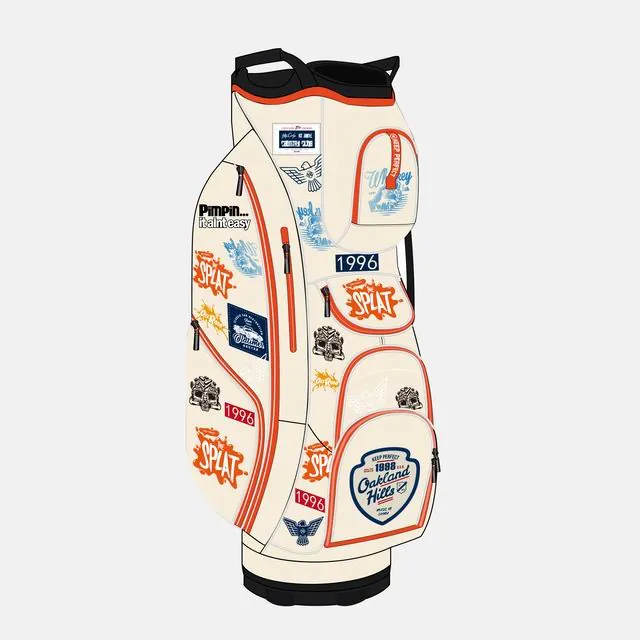
In 2025 the golf bag accessory space is defined by four converging trends — modular attachment systems, strong magnetic mounts, integrated insulated cooler pockets, and tech-ready electronics pockets — and the practical takeaway is simple: instead of collecting more parts, golfers are buying one bag and a compatible system they can reconfigure, charge their devices in, and keep organised without weight creeping up. This guide explains each trend, which systems genuinely help, how they change the way you build your kit, and how to buy a bag that stays compatible with the ecosystem you want to use through 2025 and beyond.
The Four Defining Trends of 2025
The accessory market has shifted from a pile of standalone gadgets to integrated systems, and four trends lead the change. First, modularity: compatible mounts, clips and docking points that let accessories snap on and off so the kit reconfigures round to round. Second, magnets: strong neodymium magnets make towel rings, holders and mounts effortless to attach and reposition. Third, integrated cooling: insulated pockets built into the bag keep drinks cold without loose containers. Fourth, tech readiness: dedicated electronics pockets with feed-through holes and fire-resistant battery compartments.
These work together. A modular magnetic base lets you swap a cooler for a rangefinder mount depending on the day; a tech pocket keeps your phone charged while a magnetic mount keeps your GPS in view. The result is a bag that adapts, which is what today's golfer wants far more than a heavier bag stuffed with fixed gadgets.
None of this means accessories are disappearing. It means they are being built into the bag's architecture, so the purchase decision is about the bag and its ecosystem together rather than a bag plus scattered extras.
Modular Attachment Systems Explained
A modular attachment system uses a shared mount, clip platform or set of docking points on the bag that many accessories share. Instead of each accessory fighting for a mount point, they attach to a common rail or pad, making setup fast and the transfer between walk and ride seamless. You keep the base modular platform and snap on the pieces you need on any given day.
The real benefit is flexibility without bulk. You no longer need to own five different clips for five different gadgets — one compatible system carries them all, and unused pieces stay home. For golfers who mix walking and riding, or who play varying course conditions, modularity removes the "wrong accessories today" problem entirely.
Before buying into any system, confirm the mount platform is compatible with your bag's hardware and width. Systems designed around a fixed rail fit specific bags; universal clip systems fit more broadly but offer less integration. Choose based on whether you value deep compatibility with your bag or flexibility to move pieces between bags.
| Trend | What It Does | Best Fit | Consideration |
|---|---|---|---|
| Modular systems | Shared mount platform, snap-on accessories | Mix of walk and ride | Confirm rail compatibility |
| Magnetic mounts | Neodymium quick attach / reposition | Everyone | Strength and hold under load |
| Integrated coolers | Insulated pocket built into bag | Riders and walkers | Check insulation depth |
| Tech / electronics pockets | Charging and device-ready design | Tech-heavy users | Fire-safe battery compartment |
Why Magnetic Attachments Became Standard
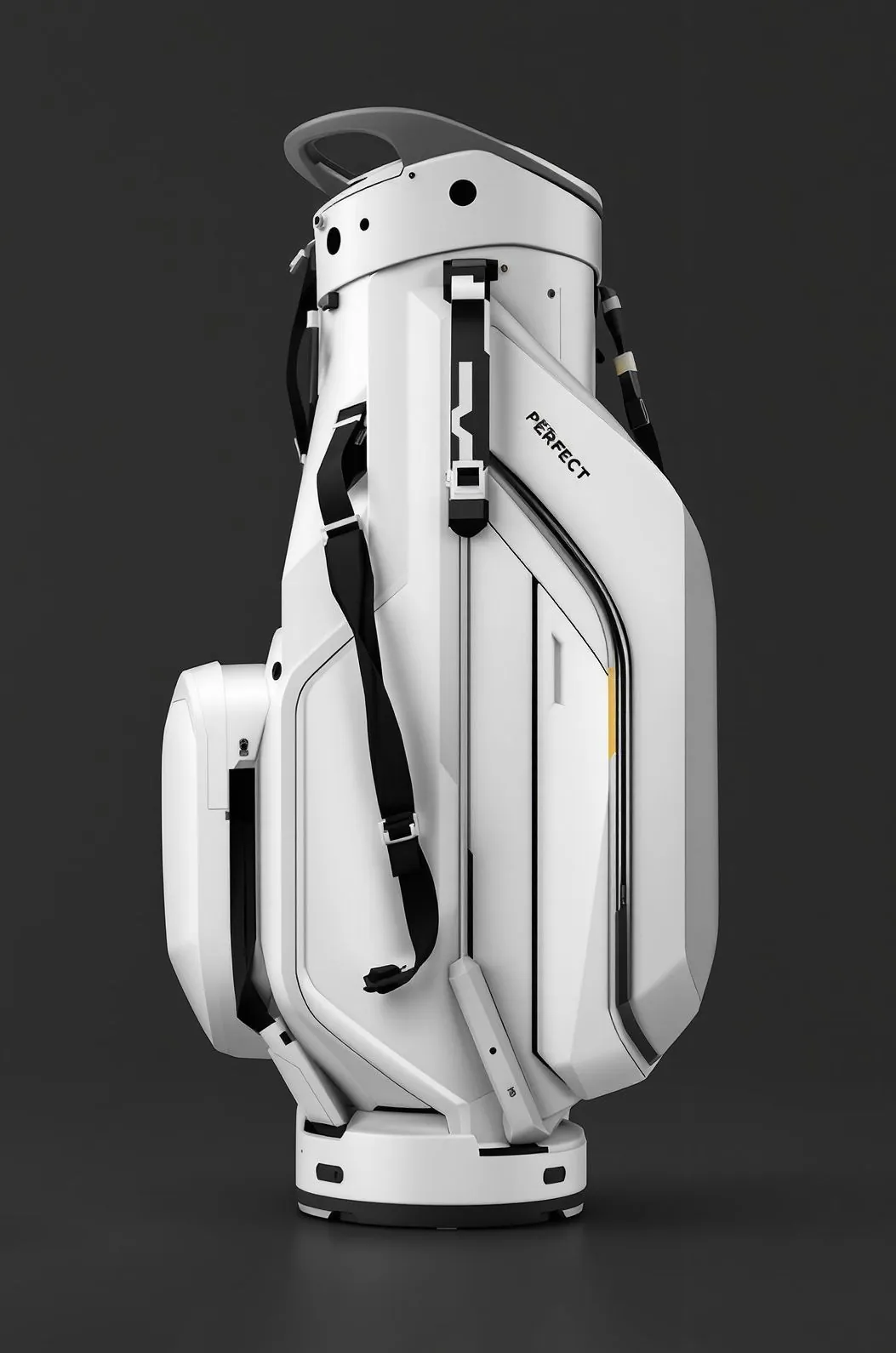
Strong magnets have become a trust feature in 2025 because they solve the two problems that used to plague attachments: slow attachment and damage. A neodymium mount lets a towel ring, rangefinder holder or small pouch click into place instantly and reposition without unclipping, and it does so without the drilling, gluing or clipping that could otherwise stress the bag shell.
The trade-off is magnet strength and placement. A magnet strong enough to hold a rangefinder under a cart ride needs a firm seating point and a bag designed with a metal or reinforced anchor. Weaker magnets suit towels and light pouches. When you choose, match the magnet's holding force to the item it carries and check that the bag has the anchor points the magnet needs.
Magnets also keep surfaces clean — no sticky residues, no bent clips, no added bulk. For a golfer who reorganises accessories often, or who moves between bags, magnetic mounts are the lowest-friction option available and a big reason they have gone from novel to standard so quickly.
They also make reorganising a genuine pleasure rather than a chore. Because a magnetic mount releases with a clean pull and resets in an instant, you can experiment freely with placement on practice days before locking in the arrangement that feels best in play. That ease of adjustment encourages the regular, honest review of your kit that keeps a bag lean, and it reduces the temptation to leave a poorly placed mount in place simply because moving it is inconvenient. In that sense, magnets do not only hold accessories — they drive better habits across your whole system.
Integrated Cooling: Better Than Loose Coolers
The integrated insulated cooler pocket is a quiet hero of 2025 accessory design. Instead of a clip-on cooler that dangles and shifts, modern bags build insulation into a dedicated pocket, often on the front or side, with a secure closure that keeps drinks and snacks cold for a full round. Because it is built in, it does not add weight or clutter, and it stays put on the cart or the carry frame.
Walkers especially benefit: an integrated cooler keeps hydration close without a flopping accessory, and riders get stable, accessible cold storage for the whole group. Check the insulation depth and closure quality when comparing bags, since a shallow or loose pocket defeats the purpose.
Integrated cooling also changes what you carry — because the container is built in, you carry the drinks you need rather than a bulky cooler bag. That reduces total weight and frees pocket space for other gear, which is why cooling has moved from a premium extra to a well-considered standard feature. See how a fully optioned bag uses this space efficiently in our cart-bag accessories guide.
Thermal performance in an integrated pocket relies on more than an insulated wall. Reflective liners, a well-sealed opening, and a shape that hugs bottles or cans keep cold air in and warm air out far longer than a simple foam pocket. When judging a bag, ask how the cooler is lined and sealed, and prefer designs with a secure top that holds cold in without forcing you to struggle for a bottle mid-hole. That balance — cold held, ease preserved — is exactly what separates a thoughtful integrated cooler from an afterthought.
The Rise of Tech-Ready Bags
Technology has done more than add gadgets — it changed the bag itself. In 2025, dedicated electronics pockets with reinforced feed-through holes let a phone charge from a power bank sitting safely in the bag while the phone stays usable on the cart. Fire-resistant battery compartments and weather-sealed ports protect devices and safety, turning the bag into a small mobile command station for GPS, shot-tracking apps and music.
These pockets are never a replacement for organization; they are organization in a new form. A tech-ready pocket should still have a clear zone, a fixed cable route and a moisture-safe lining, so it supports a connected round without a tangle of wires or a lost device. Pair it with the modular and magnet systems instead of expecting one pocket to do everything.
Before choosing, confirm the pocket size fits your device and that the battery compartment meets safety requirements. A bag that handles power and weather well is a genuine upgrade for tech-dependent players, and it is one of the clearest signs of the accessory system thinking that defines 2025.
Organizer-Centered Bag Design
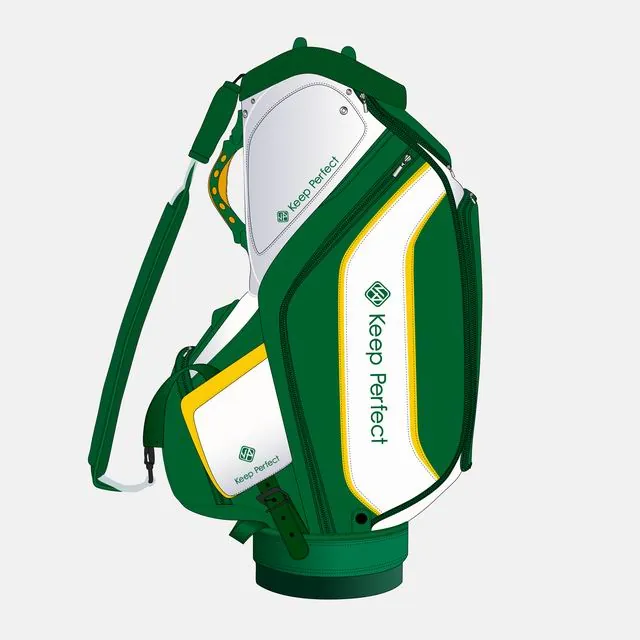
For all the new mounts and magnets, the most valuable 2025 accessory idea is still organization. Bags are now designed around organisers: dedicated zones for balls, tees, markers, gloves and a valuables pocket that keeps small items from sinking. These are often built into the pocket map rather than sold as separate pouches, which is why the perfect bag rarely needs many add-on organisers.
This organizer-centered approach pairs naturally with the accessory systems above. A modular magnetic base stays tidy because every mount has a home; a tech pocket stays manageable because it is one zone among several. The lesson is that the right bag does most of the organizational work before you add anything, and accessories become refinements of a good base rather than band-aids on a bad one.
For a full breakdown of how to arrange every item, our guide to organizing golf bag pockets is the natural next read, and accessories organization tips show the exact zones that work best with an accessory system.
Compatibility: The 2025 Buying Rule
The single most important 2025 advice is to buy for compatibility. A modular mount is only useful if it fits your bag; a magnetic anchor only works if the bag has the metal point; a tech pocket only helps if it fits your device. Before buying any system, check your bag's mount points, divider type, pocket map and, for tech pieces, the device dimensions. Compatibility is what turns a pile of parts into a working system.
If you are buying a bag and an accessory ecosystem at once, choose the bag first and then verify the system fits it — or pick a bag and system that ship as a coordinated set. For those commissioning products for a brand, specifying the mount platform at the factory and building the accessory line to match is the cleanest path, something we do through custom OEM/ODM services.
Keep an eye on longevity too. Confirm the system you choose is likely to remain available and expandable, so you are not left with proprietary mounts that go out of production. A well-supported system keeps your bag current well beyond 2025.
Weight and Balance: The Foot on the 2025 Brake
Every accessory trend runs into the same constraint: weight. A modular platform, strong magnets, an insulated cooler and a tech compartment are all useful, but together they can quietly add pounds that matter, especially to walkers. The 2025 answer is that good accessory systems are designed to be light, and good buyers rule out anything that does not earn its weight.
Before finalising a kit, weigh the bag empty and then after adding the system. Decide your weight ceiling, keep walker-oriented load low, and accept that riders have more room to carry. A lean, well-integrated system beats a bag that is comprehensive in marketing and overweight in reality.
Balance matters as much as total weight. Keep heavy items — coolers, batteries, power banks — low and central in the bag, and place mounts so the bag still sits level on a stand or a cart. A well-balanced, 2025-era accessory bag feels efficient rather than overloaded, and that is the experiential goal behind the whole trend.
The Factory View: Building for Accessories From the Start
The accessory trends of 2025 only work fully when the bag is built to accept them. Reinforced magnet anchors, a shared modular rail, insulated pocket construction, fire-resistant battery compartments and a sensible pocket map are all things designed in and sewn in at production, not added later. When they are built in correctly, accessories stay secure, stay light and look native.
From a manufacturing standpoint this is a real advantage: a bag engineered around its accessory system consistently performs better and shows fewer failures than a bag retrofitted with add-ons. If you are sourcing bags, working with a factory that builds the mount platform and accessory line together gives you a coordinated, premium product from day one. Explore that path on our accessories range and full product catalog, and see how wholesale packaging prices an integrated line well.
For golfers, this factory view is a useful filter: buy a bag whose accessory architecture you can actually use, and prefer integrated systems to improvised stacks. The right foundation makes every good accessory trend work at its best.
Common 2025 Accessory Mistakes to Avoid
The accessory-systems era brings a new set of traps. The biggest is buying an entire ecosystem before checking it fits your bag — a modular rail or magnet platform is only useful if the bag supports it, so test compatibility first and return what does not fit rather than forcing it. Another is over-collecting: adopting every trend at once adds weight and clutter and defeats the lean purpose of a designed system.
A third mistake is ignoring safety, especially with tech pieces. A power bank or battery needs a fire-resistant compartment and correct placement; a phone needs a padded, moisture-safe zone. Skipping these checks is a real, avoidable safety risk, not a minor convenience trade-off. Finally, do not chase trends without testing usefulness — a mount or pocket you never use is just extra ounces, so apply the same five-round usage test to every new addition.
The discipline is the same as the design itself: buy for fit, adopt in stages, protect your tech and your back, and keep the kit lean. A bag that follows these rules outperforms one that merely follows trends.
Sustainability and Eco-Friendly Accessories in 2025
Sustainability has become a genuine part of 2025 accessory design, not a slogan. Materials matter most: recycled PET liners and fabrics, water-based coatings, and low-impact closures are appearing across organizer pouches, insulated liners and cooler pockets. Though not a positioning priority for every buyer, these choices appeal to a growing share of consumers and add an honest selling point for brands.
Durability is the sustainability angle that helps everyone. An accessory that lasts multiple seasons, survives washing and resists corrosion is inherently more sustainable than one replaced yearly. When you favour reinforced mounts, quality insulation and repairable clips, you cut waste and cost at once. Brands that communicate durable, recyclable construction tend to earn loyalty and reduce returns, which matters at wholesale scale.
As with the broader trends, apply the filter of usefulness: an eco-conscious accessory is only worthwhile if it also works well. Choose durable, responsibly made pieces that still perform, and you get the efficiency of a 2025 system and the longer product life that sustainability implies.
When you compare accounts of more sustainable accessories, focus on verifiable substance over marketing. Look for clear, specific materials — declared recycled content, low-VOC coatings, recyclable closures — rather than vague green claims, and prefer items whose durability can be inspected in the seams, zippers and fasteners. A genuinely well-made, long-lasting accessory is the most defensible choice, because reducing the number of replacements is where eco benefit and everyday value truly overlap in the 2025 accessory market.
Practical Adopting: Building Your 2025 Kit
Adopting the 2025 approach does not mean buying everything. Build a kit in a deliberate order. Start with a compatible bag that offers the modular base, magnet anchors, an insulated cooler pocket and a tech pocket you actually want. Add a rangefinder mount and a towel ring as the first mounts. Next add one integrated cooler use and a power pocket setup if you rely on GPS or music. Only then fill in organisers and occasional accessories.
Adopt in stages so each addition earns its place by usage, and so weight stays controlled. Revisit the kit a few times a year, swap seasonal pieces and retire anything unused. This staged approach keeps you current with the 2025 trends while staying lean, organised and fast — the actual payoff of the whole accessory-systems movement.
Finally, run a fit-check twice a year: confirm every mount holds, every cable routes cleanly, the cooler seals, and the bag still balances. A bag that is designed as a system and maintained as one will serve you better than any single accessory ever could, round after round.
Conclusion
Golf bag accessories in 2025 have moved from scattered parts to integrated systems built around modular mounts, strong magnets, integrated cooling and tech-ready pockets. The practical winner is not the bag with the most gadgets but the one with a compatible foundation you can reconfigure, keep light and organise well.
Buy for compatibility, adopt in stages, respect weight and balance, and prefer bags built to accept their accessory systems from the start. At QUANZHOU JUNYUAN BAGS (founded 2014, founder active since 2004), our affiliated factory engineers bags across 7 production lines with 126 sewing machines and 137 employees to a monthly capacity of roughly 200,000 pieces, supporting a standard MOQ of 200 units (100 for test orders), sampling in 10-20 days and bulk delivery in 45-60 days, for 200+ brands across 100+ countries. When sourcing a 2025-ready bag, specify the accessory system you intend to run so the factory can align dividers, mounts and pockets from the first sample, a workflow backed by SGS certification confirmed in March 2026 at our 4,950 m² affiliated factory. Do that, and your bag stays current, efficient and genuinely useful through 2025 and well beyond. For deeper system thinking, our professional accessory systems article and complete accessories guide are excellent companions.
Sources
Frequently Asked Questions
- What are the biggest golf bag accessory trends for 2025?
- Modular systems, strong magnetic mounts, integrated insulated coolers and tech-ready pockets with charging are the defining 2025 trends.
- What is a modular golf bag attachment system?
- A shared mount or dock platform that multiple accessories snap onto, letting you reconfigure the kit for each round without excess clips.
- Are magnetic golf bag attachments worth it in 2025?
- Yes. Strong neodymium mounts attach and reposition easily without modification, and they are now a standard trust feature.
- How has technology changed golf bag accessories?
- Tech pockets with feed-through holes, fire-resistant battery compartments and weather-sealed ports let you charge devices on the go safely.
- Are insulated cooling pockets still popular?
- Yes. Integrated cooler pockets keep drinks cold without loose containers and are valued by both walkers and riders.
- How do I know which attachment system fits my bag?
- Check mount points, divider type and pocket map, and choose a system whose clips, magnets and docks match your bag's hardware.