How to Organize Golf Bag Pockets: A Complete System
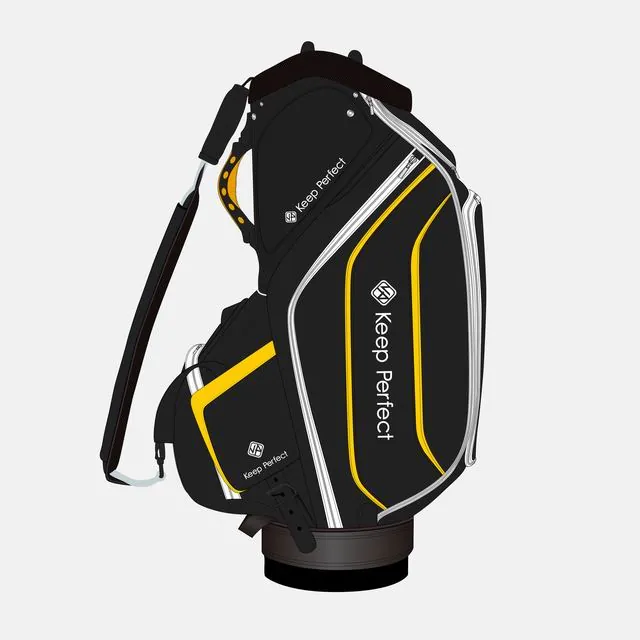
Organizing golf bag pockets comes down to a fixed pocket map where every item has one clear job and one permanent home: balls in a dedicated compartment, tees and markers in a small reachable pocket, valuables in a moisture-proof pocket, rain gear and towel in their own spots, and the rangefinder beside the reach point — so nothing sinks, nothing is lost, and every reach is fast and predictable. This guide lays out a complete pocket system, the exact layout for cart and stand bags, and the habits that keep it working all season.
Why a Good Pocket Map Matters
A well-organized bag is faster, safer and more comfortable. It saves you time and attention on every hole because you reach directly instead of hunting. It protects your gear — valuables stay dry and secure, clubs stay separated, and nothing chafes against something it should not. It also keeps weight balanced and the bag comfortable whether you walk or ride.
The key insight is consistency. When every item always has the same home, your hands learn the layout and reaches become automatic. That is not a small convenience; over a full round it removes dozens of small distractions and lets you stay in rhythm. A fixed pocket map is the foundation of a game-ready bag.
Think of the bag as a small home with defined rooms. Just as a kitchen, bathroom and bedroom each have a purpose, so should your pockets. Decide the map once, write it down if it helps, and then preserve it through the season.
The Core Pocket Map: What Goes Where
Here is a pocket map that works on most bags. Balls go in a large dedicated compartment, ideally low and central, close to where you reach. Tees and markers go in a small, always-reachable pocket. Valuables — phone, wallet, keys — go in a dedicated moisture-proof pocket, front-facing and secure. The rangefinder sits beside the reach point or on a mount. Raingear, gloves and a towel get their own zoned spots, and water bottle and snacks have a side pocket.
Reserve one small pocket for the items you use on nearly every hole — the marker, a tee, a glove — so the fastest reaches stay near the top. Assign the larger and less-often-used pockets to raingear and extra gear. And do not force everything into reach: what you use rarely can live lower and out of the way, keeping the reachable zones clean.
For a complete list of the items and where each belongs, our golf bag accessories organization tips maps the practical kit in detail.
Keep the map consistent across the whole bag rather than tuning only the reachable pockets. When the ball pocket, valuables pocket and raingear pocket all stay stable, you can find anything even in the dark of an early round or the clutter of a busy tee box. The handful of items you reach for constantly deserve the prime pockets, but the rest of the bag works best when it is predictable too, so a full system beats a partially organised one every time.
| Item | Recommended Pocket | Access Priority | Note |
|---|---|---|---|
| Balls | Large dedicated compartment | High | Low, central, ample supply |
| Tees & markers | Small reachable pocket | High | One-pull access |
| Valuables | Moisture-proof pocket | Secure | Front-facing, sealed |
| Range finder | Rest point / mount | High | Hand-level, visible |
| Towel & glove | Towel ring / side pocket | Medium | Dry, reachable |
| Rain gear | Dedicated zoned pocket | Medium | Ready when weather turns |
Using Organizer Pouches and Liners
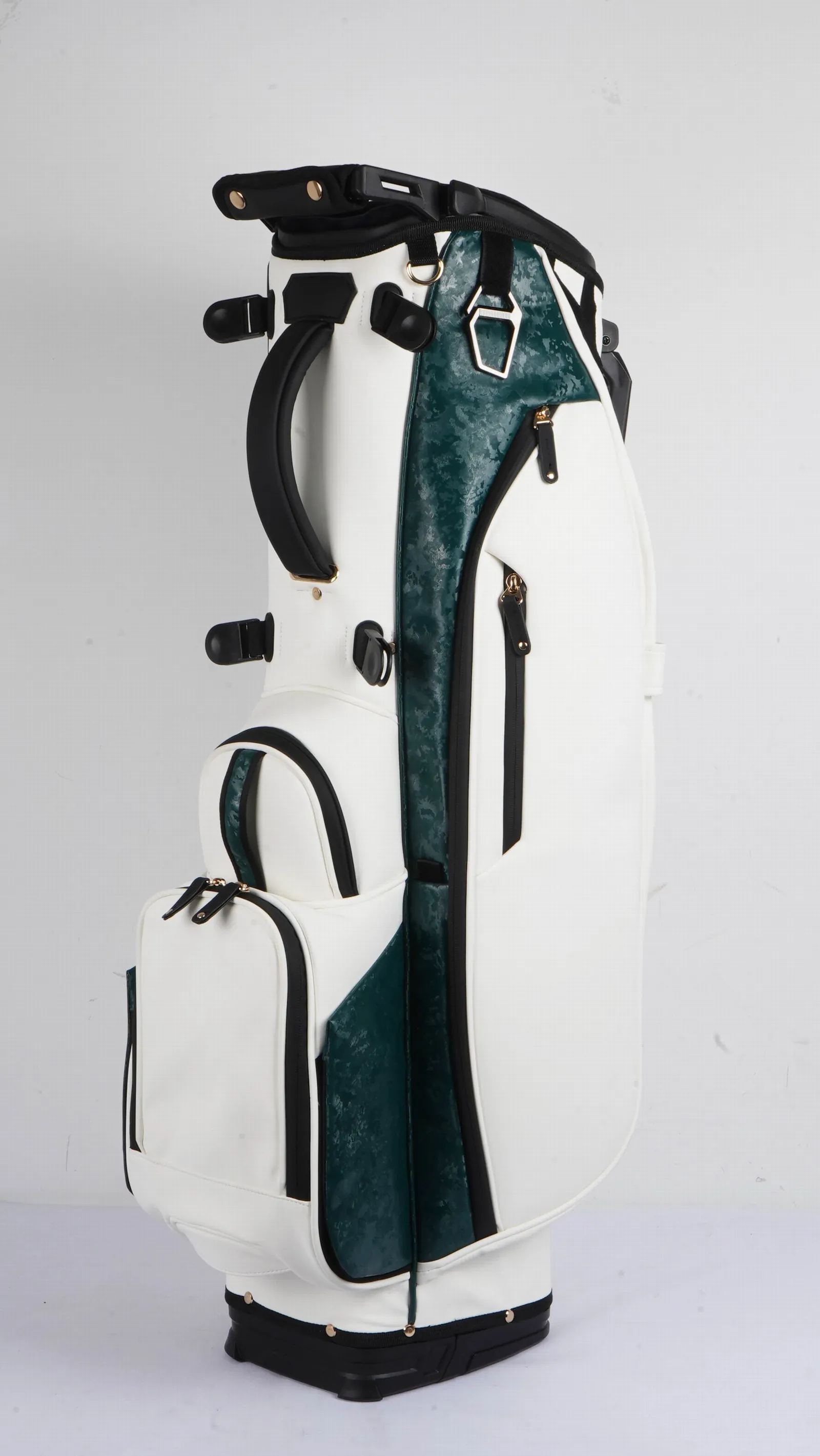
Small items are the ones that most easily get lost in large pockets. Organizer pouches, compartment liners and zippered mesh pockets keep tees, markers, coins and glasses in zoned slots instead of sinking to the bottom. A small pouch for tees and markers, a dedicated spot for the rangefinder and a secure pocket for valuables are enough for most golfers.
Choose pouches that match your bag's internal dimensions so they lie flat and add structure rather than bulk. Too many pouches create a maze where even the essentials are hard to find, so keep the collection minimal and purposeful — one organised pocket is worth five half-organised ones.
The perfect organisation strikes a balance: every item has a home, but the map stays simple enough to learn in a round. When you resist over-organising, the bag stays fast and the system stays reliable.
Organizing for Cart Bags
On a cart bag, organisation is driven by reach from the seat. Because the bag sits tilted toward the rider, the front-facing pockets are the reachable zone — put balls, tees, the rangefinder and a towel there. Front-facing valuables and an accessible raingear pocket round out a cart-focused map. Because the cart carries the weight, riders can keep more in reachable pockets without balance concern.
Use the large cart-bag pockets to separate gear: one for raingear, one for accessories, one for valuables, one for balls. The abundance of space is an advantage only if you assign each pocket a job; left unassigned, big pockets become catch-alls. Keeping the map explicit prevents that.
Weight and balance matter less on a cart, so prioritise pure reach and protection. For the cart-specific layout, pair this guide with our cart bag accessories and cart bag balance articles.
Organizing for Stand Bags and Walkers
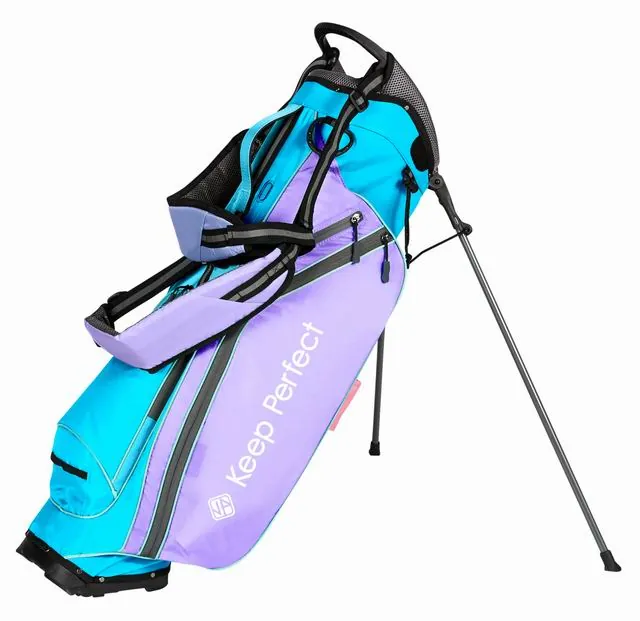
For walkers, the priority shifts from pure reach to light, balanced placement. Keep the most-used items — balls, tees, marker, rangefinder — in pockets near the top and front of the stand bag so they are easy to grab without taking the bag off. Keep heavier gear like a water bottle or raingear low and central, which keeps the bag balanced on the back and from tipping on the legs.
Walkers should also avoid over-stuffing, because every extra ounce multiplies across eighteen holes. Assign each pocket one job, carry only what you use, and place heaviest items nearest the straps so the weight sits close to your centre of gravity and rides comfortably.
A balanced, light bag is one you are happy to carry, and organisation is a big part of that comfort. The stand-bag map is the same logic as the cart map, tuned for balance and carry weight. For more on the walker perspective, see stand bag weights and carry loads.
Dividers and Club Organization
A good divider system keeps clubs organised, protects finishes and provides a clean top for the whole bag. Full-length dividers stop clubs from tangling and chattering, and a dedicated putter slot keeps your most-used club secure and fast to reach. Arrange clubs sensibly by type and frequency of use, so the ones you reach often sit in convenient slots.
The divider top is also part of the pocket map's logic — it should stay clear so club changes are smooth. Avoid mounting accessories right at the divider top, which crowds your reach. Reserve that space for clubs and the putter, and place mounts on the sides or front face instead.
For a detailed look at divider systems and how to use them well, our 14-way vs 5-way dividers guide is an excellent companion, and compartment design explains the engineering.
Keeping the Map Fixed With Good Habits
An organized bag stays organized only with habits. After each round, restock consumables — balls, tees, towel — so the bag is game-ready, and remove valuables and the rangefinder to safe storage. Let the bag dry fully after wet rounds, since moisture and grit are the biggest pocket killers. A light weekly check that every item is back in its home catches drift before it becomes a mess.
Keep the layout fixed during the season so your hands stay trained. When you do reorganize — at a season change, say — do it deliberately, reassign each pocket, and then preserve the new map. The goal is a bag you never have to think about, because the system does the remembering.
Pair these habits with the wider care routine in our golf bag maintenance guide and storage solutions to keep the whole bag healthy between rounds and across seasons.
The Reach-Zone Method
The most practical way to design a pocket map is to split the bag into reach zones. The high-reach zone, at the top and front, holds the items you grab on almost every hole: tees, the marker, a glove, the rangefinder. The mid-reach zone holds what you use regularly but not constantly: balls, a towel, a water bottle. The low-reach zone holds rare and bulky gear: raingear, spare shoes, extra layers.
The benefit of thinking in zones is that it forces you to prioritise. Reachable space is precious, so it is reserved for the true essentials, and everything else settles lower and out of the way. This keeps the fast zones clean and the whole bag efficient, instead of cramming everything near the top.
Apply the zones to whichever bag you carry: on a cart, the reachable zone faces you from the seat; when walking, it is the front and top of the bag close to your hand. Tune the assignment to how often you actually reach for each item, and adjust the map whenever you notice yourself digging or shifting things around mid-round — the digging is a signal the map is wrong.
Most golfers hold roughly eight to ten items they use in a typical round. Placing those correctly into the right reach zones instantly removes most of the clutter, so a bag that once felt chaotic becomes predictable after a single practice round. Review the zones each month and reassign anything that has drifted, and the map stays aligned with the way you actually play.
For a gallery of bags built around such clear zone layouts, browse our stand bags and cart bags, both designed with organisation-friendly reach zones in mind.
| Reach Zone | Typical Items | Bag Location | Access Frequency |
|---|---|---|---|
| High reach | Tees, marker, glove, rangefinder | Top and front | Every hole |
| Mid reach | Balls, towel, water | Mid body | Regular |
| Low reach | Raingear, spare shoes, layers | Sides and base | Rare |
| Secured | Valuables | Dedicated sealed pocket | On demand |
Pocket Organization for Every Season
Your pocket map should shift with the season because what you carry changes. In cool or wet months, rain gear, an extra layer and a larger towel move up to mid-reach. In summer, sunscreen, more water and a cooling towel take their place. Reviewing the bag at each season change is the natural moment to reassign pockets and remove gear you stopped using.
Hot-weather players often add a small cooling pocket or a towel soak, while cold-weather players need glove storage and a warmer. Assigning these seasonal additions a clear home ahead of time prevents them from being shoved loosely into whichever pocket is open, which is exactly how clutter and lost items begin.
The same principle applies to how you store the bag itself between rounds. Keeping it in a dry, cool place with the map intact preserves both the pockets and the organisation you built. For a thorough look at seasonal and at-home storage, see our storage solutions article, which covers drying, positioning and seasonal rotation in detail.
How Factory Design Helps Organization
A thoughtful factory design makes pocket organization substantially easier, because the bag arrives with sensible zones already built in. Good engineering places the balls compartment low and central, adds a secure moisture-proof valuables pocket in a natural reach position, and sizes the pockets to their intended contents so nothing rattles or sinks.
Material choice matters too. Water-resistant pocket linings and sealed seams keep valuables dry, while breathable mesh pockets let a towel and wet gear dry out between rounds. Divider systems that run the full length keep clubs tidy and protect finishes. These engineering decisions do not replace organisation, but they reward and reinforce the good habits above.
For brands and buyers sourcing a genuinely organizer-friendly range, our OEM/ODM services and OEM process guide explain how pocket maps, dividers and materials are specified for a given order, with our standard MOQ is 200 pieces (100 for test orders).
A Step-by-Step Restock and Reset Routine
To keep the map working, run a short reset after every round: pull out valuables and the rangefinder, wipe any wet surfaces, and top up balls and tees so the bag is ready for the next game without a hunt. Once a week, do a five-minute full tidy: return strays to their homes, empty collected trash, and re-secure anything that worked loose during the round.
At each season change, do the complete review — empty every pocket, decide what stays, deep-clean each one, and reassign the map for the new conditions. This is also the best time to rotate raingear, swap towels and add or remove seasonal gear. The reset does not feel like work when it is a fixed habit, and it protects the investment you have made in the bag and the gear inside it.
Combine this routine with the maintenance care in our golf bag maintenance guide and the organization tips in pro backing tips, and your bag stays game-ready all season long.
Common Pocket Organization Mistakes
A few mistakes explain most messy bags. The first is treating large pockets as catch-alls — leaving small items to sink and tangle in one big space. The fix is pouches and zoned compartments. The second is changing the map constantly, so you and your hands never learn where things are. Pick a layout and keep it stable.
A third mistake is ignoring the moisture-proof valuables pocket, leaving your phone and keys to rattle in a general pocket where they can get wet or lost. Always use a dedicated, sealed valuables pocket. Finally, do not over-stuff for walkers — a bag loaded with "just in case" gear is heavier and slower, and it undoes the benefit of organization. Carry what you use, and keep the bag honest.
These corrections are quick and make the biggest difference to a game-ready pocket system. Fix the catch-all pockets, stabilise the map, protect your valuables and keep the load light, and your bag will stay organized round after round.
Building the Right Bag for Organization
Organization starts at purchase. A bag with a clear pocket map — a dedicated balls compartment, a moisture-proof valuables pocket, a reachable small pocket and a sensible number of zoned pockets — makes all the above far easier. A bag with too many identical large pockets, or too few, fights good organization no matter how disciplined you are.
Choose a bag whose pockets match your actual kit and carry style. If you ride, prioritise the front-facing reach zones; if you walk, prioritise light, well-placed pockets and balance. For shoppers and brands alike, our product range and buying guides can help you select a bag built for organised play, and wholesale options let you source an organizer-friendly line.
Remember that the best organisation system is the one that fits both the bag and the way you actually play. When they match, the pocket map becomes effortless and the bag truly works for you.
Conclusion
Organizing golf bag pockets is a fixed pocket map where every item has one job and one home — balls in a dedicated compartment, tees and markers in a reachable pocket, valuables in a moisture-proof pocket, and the rangefinder at hand level. The map is tuned for reach on a cart or balance when walking, kept stable through good habits, and protected from the common mistakes that create messy bags.
Choose a bag that supports the map, keep the layout consistent, restock and dry it between rounds, and review it at each season change. At QUANZHOU JUNYUAN BAGS (founded 2014, founder active since 2004), our affiliated factory designs pocket maps across 7 production lines with 126 sewing machines and 137 employees to a monthly capacity of roughly 200,000 bags, for 200+ brands across more than 100 countries. When a bag is engineered pocket-by-pocket — values from 200-piece standard MOQ (100 for test orders), sampling in 10-20 days, bulk delivery in 45-60 days — the organisation stops being a chore. We help buyers specify the exact pocket layout their players need, from a dedicated rangefinder sleeve to a moisture-proof valuables pouch, all produced to SGS-certified quality confirmed in March 2026 at our 4,950 m² affiliated factory. Rehearse the map with a partial bag of clubs and adjust until every reach feels natural, so organisation becomes instinct rather than a task. Do that, and your bag stays fast, organised and game-ready all year. For the full accessories kit that pairs with this map, our essential accessories guide and organization pro tips complete the picture.
Sources
Frequently Asked Questions
- How should I organize my golf bag pockets?
- Assign each pocket one job: balls in a dedicated compartment, tees and markers in a small reachable pocket, valuables in a sealed pocket, and the rangefinder at hand level.
- Which golf bag pocket should hold valuables?
- A dedicated moisture-proof pocket, ideally front-facing and secure, so your phone, wallet and keys stay dry, safe and easy to find.
- Where should balls go in a golf bag?
- A large dedicated compartment, low and central, so a full supply is always available without digging.
- How do I keep small items from getting lost in pockets?
- Use small pouches, compartment liners or zippered mesh pockets so tees, markers and coins stay in zoned slots instead of sinking to the bottom.
- Should I organize pockets differently for a cart or stand bag?
- Yes. Cart bags use front-facing reach zones for the rider, while stand bags prioritize light, balanced, close-to-body placement for walkers.
- How often should I reorganize my golf bag?
- Keep the layout fixed in-season, restock and dry weekly, and run a full reorganization at each season change.