Callaway Golf Bags 2025 Ultimate Guide: Range, Comparison and Buying Advice
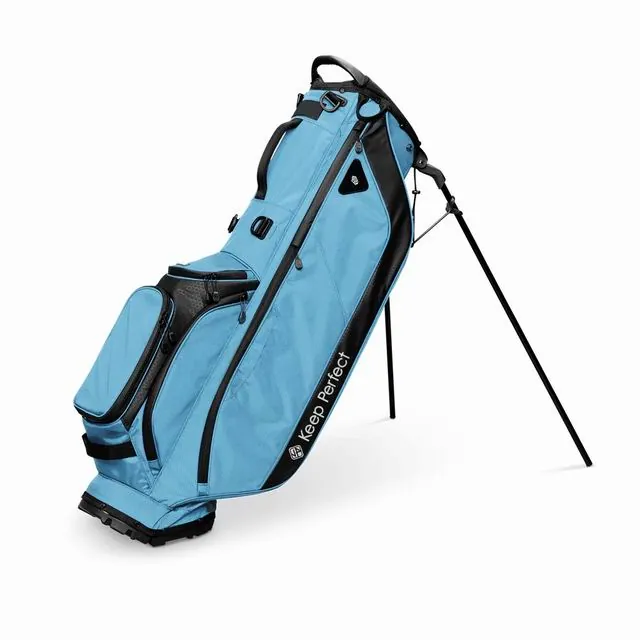
For most golfers in 2025 the Callaway Fusion or Chev range is the safest recommendation — Fusion for all-rounders who walk and ride, Chev for serious walkers — while riders are best served by the Org cart bag, and any of these quality-built models can reasonably be expected to deliver several years of dependable service. Callaway makes a strong, broad range, and understanding each line is the key to matching it to how you actually play.
A bag, after all, is rarely a spontaneous purchase. Most golfers think about it for weeks, weigh a handful of models, and read more reviews than they would care to admit before deciding. That is sensible, because the bag sits between you and your clubs on every round — it absorbs the daily wear, organises your gear and, done well, outlasts several sets of grips. This guide is intended to compress that research into a short, dependable framework: understand the range, match the family to your game, inspect the build, and buy with confidence. The result is a bag you stop thinking about, precisely because it simply works.
It is also worth remembering that Callaway, like most major brands, does not manufacture every bag itself but commissions production through a network of specialist bag factories. That makes the practical engineering of "a Callaway bag" the work of the same kind of manufacturing discipline any quality golf bag depends on — material selection, robust stitching, dependable hardware and rigorous quality control. For the golfer, the takeaway is reassuring: the quality you buy is a function of sound factory construction, and the same standards are available to anyone sourcing custom bags with their own branding.
Understanding the Callaway Range
Callaway positions its bag range to serve every kind of golfer, from weekend riders to serious walkers. The lineup is broadly divided into carry bags with legs (stand bags), ride-oriented cart bags, and light touring models designed for both. Each generation updates materials, pocket layouts and comfort features while keeping the core philosophy: a functional, durable bag that protects your clubs and organises your round.
For 2025 the emphasis is on balance — better organisation pockets, dependable bases for trolley use, and comfort harnesses for walking. Understanding which family a bag belongs to tells you immediately whether it suits your game before you even look at the price tag.
The Full Callaway Bag Range at a Glance
The main Callaway families you will meet are the following. The Chev series is a walker's stand bag built around reduced carry fatigue, lighter materials and a simple, secure design. The Fusion series is the versatile all-rounder, combining carry-style comfort with the pocket capacity and structure of a cart bag. The Org cart bag is a dedicated rider's bag focused on organisation and a solid base. There is also a Tour line for premium tour-style carry and cart bags.
Two useful things to note. First, the most popular categories among everyday players are the stand and cart families, because they cover the two most common ways people play. Second, Callaway's naming for stand and cart bags comes from their focus: a stand bag folds out legs for the course, while a cart bag is built to sit on a cart all round.
| Series | Type | Best for | Key features |
|---|---|---|---|
| Chev | Stand / carry | Walkers | Reduced fatigue straps, folded base |
| Fusion | Stand + cart hybrid | All-rounders | Carry comfort + cart features |
| Org | Cart | Riders | Organisation, solid ride base |
| Tour | Carry / cart premium | Serious golfers | Premium structure and finish |
The Chev Series: Built for Walkers
If you walk the course, the Chev series targets you directly. It concentrates on reducing carry fatigue — the number one ask from golfers who walk eighteen holes. A dual-density strap system distributes weight across the shoulders better, and the bag body itself is constructed using lighter materials to keep the total on your back reasonable. The result is less strain and a more comfortable walk.
Beyond comfort, the Chev carries the essentials without bulk: a well-organised pocket layout for a glove, balls, tees and a few valuables, and a secure base so the bag stands reliably when you set it down. It is a focused bag — it does its job as a carry companion well, without pretending to be a cart bag too.
The Fusion Series: The Versatile All-Rounder
The Fusion is the bag that tries to be everything, and for the majority of golfers it succeeds. It combines the carrying comfort of a stand bag with the structure, pocket space and base of a cart bag. This makes it the natural choice for golfers who sometimes ride and sometimes walk, or who want one bag that works in every situation without compromise.
From a construction standpoint, the Fusion is where you see a balance of durability features — reinforced stress points, dependable zippers and a base designed to sit on a cart platform yet keep the bag upright when carried. For the golfer who wants maximum flexibility from a single bag, the Fusion is consistently the most-requested all-rounder in the Callaway lineup.
The Org Series: A Rider's Organising Machine
Riders care about one thing above all: keeping their clubs and gear organised and at hand through a round. The Org series cart bag is built for exactly this. Its defining trait is organisation — a thoughtful pocket layout that puts everything where you can reach it from the cart, plus a solid, stable base that sits securely on the platform through the round.
For golfers who ride most of the time, the dedicated cart bag's structure beats a stand bag on a cart: better stability, more usable pockets and a base engineered for the ride. If your default is the cart, the Org family is the functional choice, and its organisation directly improves your pace of play.
The Tour Line: Premium Structure and Finish
At the top of the range, the Tour line delivers premium carry and cart bags with a higher level of structure and finish. These bags are built for golfers who want the best available materials, refined details and a more premium look, and they typically add durability features suited to more frequent play. The Tour line also often pairs with Callaway's premium models and is popular among strong players.
Premium construction shows in the handling: smoother zippers, firmer pockets, better strap hardware and an overall more finished feel. Whether you carry or ride, the Tour line trades flexibility for a higher grade of build quality, aimed at the golfer whose bag gets serious, frequent use.
Stand Bag vs. Cart Bag: Callaway's Take
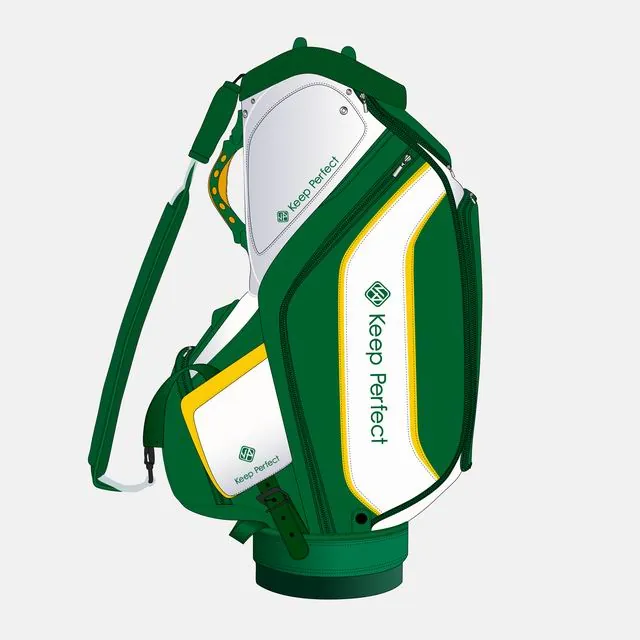
Callaway's range makes the stand-versus-cart distinction clear, and it is the single most useful way to shortlist. A stand bag's identity is its retractable legs and carrying harness — ideal for walking, and it doubles acceptably on a cart. A cart bag's identity is a solid base and ride-safe construction, optimised for the cart but poor as a carry companion.
So instead of asking "which Callaway bag is best," ask "do I walk, ride, or both?" Walkers → Chev or a Tour carry model. Riders → Org cart bag. Both, or unsure → the Fusion hybrid. Let your rounds decide the family, and the choice within it becomes much easier.
A common practical question is whether a stand bag works acceptably on a cart, and the honest answer is usually yes. Most modern Callaway stand bags have base shapes and secure attachment points that lock onto cart platforms well, and for the golfer who carts sometimes and walks other days, a stand bag's versatility more than compensates for not being a dedicated cart bag. What you give up is some pocket real estate and a touch of stability compared with a true cart bag. You gain the freedom to set the bag down anywhere on the course and let the legs do their job.
On the other side, very few golfers want to carry a cart bag, because its solid base and heavier build make it clumsy on the shoulder for eighteen holes. So the honest guidance is simple: if you carry at least once in a while, err toward a stand bag or the Fusion hybrid; if you genuinely always ride and value organisation and stability above everything, the dedicated cart bag is the right call. Letting your weekly mix of walking and riding decide this single question will save you more disappointment than any other factor.
Key Features That Matter Across the Range
Whichever family you choose, a few features do the real work round after round. A quality strap system matters if you carry. An insulated, easy-access pocket keeps drinks cold. A secure valuables pocket protects phone and wallet, ideally with a lined interior. Full-organisation pockets for balls, gloves, tees and accessories keep the round moving, and a sturdy, correct-shaped base keeps the bag upright whether carried or on a cart.
Then think durability: reinforced handles and stress points, dependable zippers and honest fabric panels. These "invisible" features decide whether your bag lasts a few seasons or several years. When you compare Callaway models, weigh these against the feature theatre, because in practice durability wins.
Insulated pockets are common across the range now, and they are one of those features you appreciate immediately on a hot round — a drink stays cold through the back nine, which keeps energy up and pace brisk. Lined valuables pockets do the same for your phone and wallet, limiting rattles and protecting them from a wet day. Meanwhile, the water-resistance story deserves a closer look: many Callaway bags use practical water-resistant materials that handle drizzle well, while full waterproofing is reserved for select models engineered for genuinely wet climates. If heavy rain is part of your season, specifically seek out the waterproof-grade models rather than assuming every bag sheds a storm.
Dividers are another quiet but real differentiator. Full-length dividers that reach into the bottom of the bag stop long clubs from crossing during movement, protecting graphite shafts from the chatter that chips paint and flexes steel. If you carry an expensive set of irons and woods, divider quality is worth more in practice than its placement on a spec list. When you stand a Callaway model next to a cheaper alternative, check how the divider system is truly built rather than how it is marketed — the felt-and-foam construction inside is what actually separates a protective bag from a disappointing one.
Durability and Build Quality Across the Range
Across the lineup, Callaway's quality is generally solid — which is worth naming because it is the most common concern. Internal quality control, dependable strap hardware, reinforced stitching at stressed points and quality zippers are consistent strengths. The brand has a well-earned track record for multi-season durability, and that reputation is backed by consistency across the model run.
Still, quality varies a little by model and tier, so inspect rather than assume. Check the zip feel, the stitching at handles, the base rigidity, and how the straps are anchored against a specific model before paying. For getting the most life out of any bag — including a Callaway — our bag maintenance guide has the full routine.
Price, Value and Where Callaway Sits
Callaway sits in the mid-to-premium part of the bag market, and the pricing reflects the brand and its construction. Entry stand bags sit at the bottom of the range, full-featured carry or cart bags toward the top. Against the market, Callaway's value story is consistency: a dependable, well-built bag from a major brand for a fair price, with real multi-season durability that justifies the mid-tier premium.
Retail prices also move with promotions and across retailers, so compare around launch and sale seasons. Understanding what drives any golf bag's cost — materials, construction and branding — is useful context, and our wholesale pricing guide breaks down where that money goes for anyone buying or sourcing bags in volume.
It helps to think about what the price is actually buying you over the useful life of the bag. A mid-range Callaway that lasts several years of regular use is, on a cost-per-round basis, frequently cheaper than a budget alternative replaced every two seasons. That is the same value logic that applies right across golf equipment — durability converts an upfront premium into long-term savings. If your bag is a daily or weekly companion, its real cost should be measured across hundreds of rounds, not the single purchase price on the shelf.
For anyone making golf-bag buying decisions at scale — retailers deciding a stock line, pro shops choosing what to carry, or brands weighing whether to source their own labelled bags — the pricing logic shifts from per-unit retail to wholesale economics. Understanding where materials, labour, decoration and branding each sit in the cost stack is exactly what separates a planned purchase from a guess, and it is the difference between a profitable assortment and one that leaves margin on the table.
Women's and Ladies' Options
Callaway also addresses its ladies' and women's line, tailoring bags to different needs — often with adjusted proportions, colourways and pocket layouts that suit a wider range of players. These are not afterthoughts but genuine variations of the core families, letting a wide range of golfers find a Callaway bag that fits both their game and their personal style.
When choosing a women's bag, apply the same logic as before: decide on carry versus riding, then compare features and build. The family logic works identically across the gender lines.
Comparing Callaway to Alternatives
Callaway competes in a crowded field, and the honest question is how it compares to alternatives. Its strength is breadth and consistency: one brand covers walkers, riders and all-rounders with dependable quality. The trade-off is that you are paying for the brand, which matters if you are value-focused. For retailers, brands and serious repeat buyers, the same product logic extends to sourcing quality custom golf bags.
If you are choosing between Callaway and a less-known brand, weigh brand consistency against price and features. If you are sourcing your own labelled bags, comparing against factory-direct quality is a different calculation — see our manufacturer selection guide for how to judge a build.
How to Choose Your Callaway Bag
Choosing comes down to a short sequence. Decide how you play (walk, ride, or both) to pick the family. Decide your budget and compare models inside it. Inspect build quality — zips, stitching, base, straps. Match pocket features to what you carry. Buy from a source with a solid return policy so you can verify the fit and then enjoy the round.
Do not overthink it. The right choice for most players is the family that matches how they actually play, in a tier that fits their budget, from a build they can trust.
One more consideration that deserves its own weight: do not chase the biggest specification sheet, chase the bag that suits your routine. A bag carried twice a month for comfortable afternoons does not need the same specification as one that rides a cart five times a week. Weight, pocket count and water resistance all trade off against each other, so the bag that is objectively "best" on paper can be objectively wrong for your shoulders or your style. Decide your priorities in order — walking comfort, organisation, protection, then looks — and let each one guide the family, tier and colourway you choose.
It is also worth buying from a retailer with a clear returns policy and, if possible, testing the bag with a full load before you commit. Weight out of the box feels very different from weight loaded with fourteen clubs, a rangefinder and a drink. Loading the bag, strapping it on or setting it on a cart, and walking the shop floor with it for two minutes teaches you more about fit and balance than any review. A ten-minute hands-on check is the difference between a bag you tolerate and a bag you look forward to carrying.
Finally, keep an open mind about marginal differences between models within the same family. Two years of a lineup usually bring small upgrades — a repositioned valuables pocket, a more comfortable strap, an extra inch of base stability — rather than wholesale redesigns. For most buyers, either the current or the previous season model will serve equally well, so a well-priced prior-season bag can be an excellent value pick if the key features line up with your needs. Weigh the meaningful upgrades against the discount, and you can often land a flagship-quality bag at a fraction of the launch price.
Conclusion
Callaway's 2025 range gives every golfer a well-built home. Match the family to how you play — Fusion for all-rounders, Chev for walkers, Org for riders, Tour for premium — then shortlist by build quality and budget. Compare like-for-like, inspect the details, and you will find a dependable bag that protects your clubs for years and makes every round better organised.
Wherever you land, the test of a truly good choice is that the bag disappears into your routine — it carries comfortably, organises cleanly, protects your clubs and causes you no trouble for years. A Callaway bag, well matched to your game, meets exactly that test.
Sources
Frequently Asked Questions
- Which Callaway golf bag should I pick?
- Match the family to how you play: walkers → Chev (or Tour carry), riders → Org cart bag, and golfers who do both → the Fusion hybrid.
- Are Callaway bags good quality?
- Yes overall — dependable straps, strong stitching, solid bases and honest fabric panels give multi-season durability, with minor variation by tier.
- What is the most popular Callaway golf bag?
- The Fusion and the flagship all-rounder are the most popular because they bridge walkers and riders with features from both bag types.
- Are Callaway stand bags good for carts?
- Yes — most 2025 stand bags fit cart platforms securely, though a dedicated cart bag remains the best fix if you ride most of the time.
- How much do Callaway golf bags cost?
- Retail generally spans roughly $120-350 depending on tier and model, with meaningful movement on sales promotions.