AI-Powered Performance Optimization Is a Supply-Chain and QC Upgrade Before It Is a Gadget
AI-powered golf bag performance optimization delivers its clearest returns in factory quality control, material forecasting and club-load analytics — not in conversational "coach" features. On a production floor that runs 7 lines with 126 sewing machines and about 137 employees, machine learning turns defect inspection and demand planning into measurable, repeatable processes; the same data discipline, applied to a carried bag, protects clubs and improves organisation more reliably than any gimmick. This guide maps both sides, and shows how to buy the substance and skip the hype.
What "Performance Optimization" Realistically Means
Strip away the marketing and performance optimization splits into a small set of concrete jobs. On the factory side it means improving first-pass yield, holding lead times, and using every piece of material efficiently. On the player side it means reducing the weight you carry, protecting the contents of the bag, and arranging gear so nothing is lost or hard to reach. Machine learning accelerates both sets of jobs because it lets systems learn from the data of thousands of bags and thousands of rounds instead of from a single engineer's intuition or a single player's habit.
The honest framing matters because the category is crowded with claims. Optimization is not a single feature you turn on; it is a practiced discipline of measurement and adjustment. A factory that optimizes via AI is one that measures defects, forecasts demand, and retrains models on fresh data. A smart bag that optimizes your round is one that measures load, tracks clubs and surfaces the right information at the right moment. Both are real, and both are best evaluated by the numbers they can prove.
Factory-Side Optimization: Quality and Yield
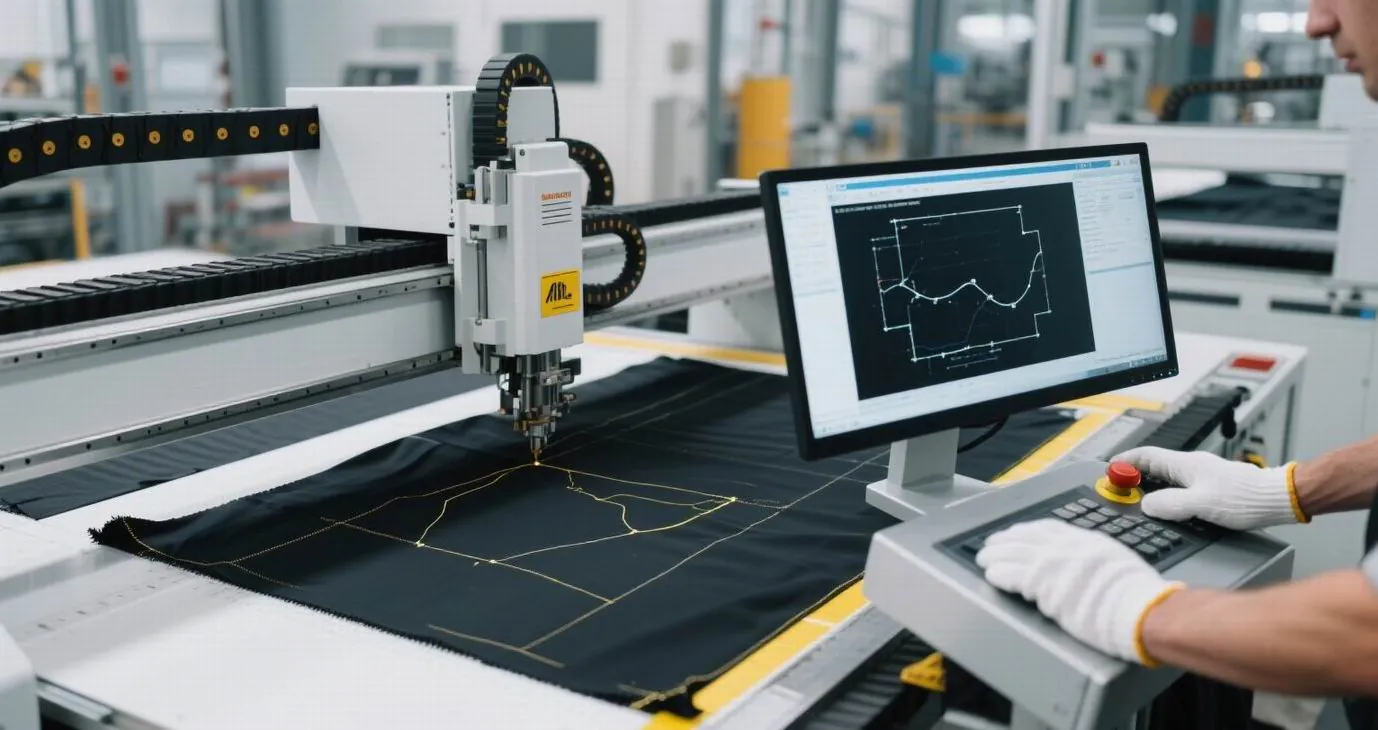
Quality is where AI optimization makes the largest, most durable impact. Vision-based inspection systems photograph every panel, seam, zipper and emblem as it moves down the line, and a trained model flags defects instantly — a skipped stitch, a misaligned logo, a broken tooth in a zipper, tension drift in a seam. On a busy floor producing up to 200,000 pieces a month, catching a defect at the station instead of in a customer's complaint is the difference between a smooth operation and costly rework. Confirm your supplier backs this discipline with an independent SGS or equivalent audit; the reference facility here passed SGS inspection in March 2026.
Yield optimization also depends on material planning. Fabric, webbing, hardware and coating are ordered weeks ahead, and the cost of guessing wrong is either a stock-out that delays a 45–60 day bulk run or a surplus that eats margin. Machine-learning models that blend historical usage with order pipeline let a planner hold the right stock with less safety buffer. That is why a data-driven factory can quote a 10–20 day sampling window and a 45–60 day bulk window and actually meet it — the numbers are anchored in forecasts, not optimism.
Player-Side Optimization: Load, Balance and Carry Weight
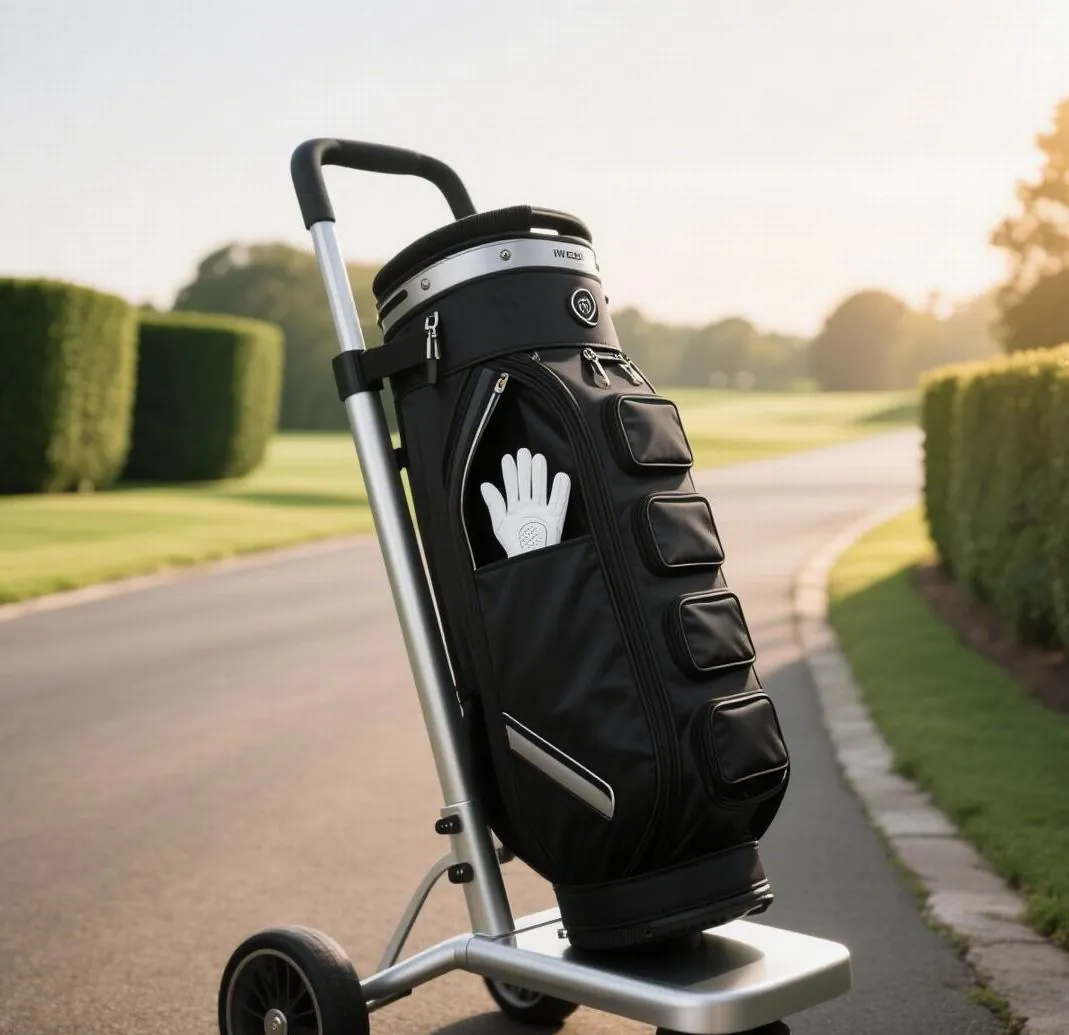
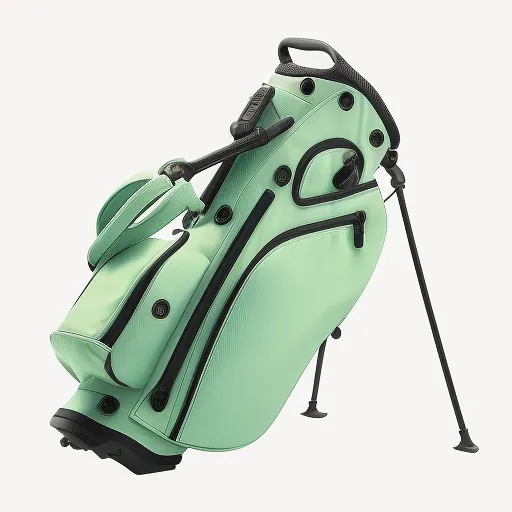
For the golfer, the most useful optimization is weight. Load cells embedded in a carry strap measure how much you are actually hauling, and a simple model learns your typical setup — how many balls, how heavy the rangefinder, whether you tend to leave a rain jacket in a side pocket. The system then flags excess or suggests distributing heavy items toward the base so the bag sits closer to your centre of gravity, which reduces the strain on a long walking round. It is a small, well-understood application, and it plausibly saves measurable effort per round.
Balance matters as much as weight. A bag that hangs heavy on one side makes you compensate with your shoulders and lower back, and over 18 holes that fatigue adds up. Modern optimization uses the same accelerometer data to tell you when packing is lopsided, and a good strap system combined with sensible packing advice can shift the perceived weight noticeably. This kind of optimization is cheap to build and genuinely useful, which is exactly the profile of a feature worth paying for versus a marketing line.
Club Tracking and Loss Prevention
RFID tags on club grips plus a reader in the divider work as a genuine loss-prevention tool. When you leave the range or clean the bag, the system confirms the full set is in place, flagging a missing wedge before you drive away. The optimization is not about being clever with data; it is about converting a recurring problem — leaving a club behind — into a check that does not rely on your memory at the end of a long, tiring round.
The same RFID layer supports inventory sense: which holes you tend to use, where you reach most often, and whether a favourite club is drifting into an awkward pocket. Aggregated across users this also feeds better divider design back to the factory, closing the loop between on-course data and the next generation of bags. For a premium or fleet set, the replacement cost of a single lost club usually justifies the electronics several times over.
Power, Battery and the Reliability Ceiling
Every sensor and radio draws from the same battery, so power engineering sets the ceiling on how useful a smart bag can be. The practical spec to compare is real-world runtime on a full charge, charging time, the IP rating against rain, and what happens at zero charge — the bag must still work perfectly as an ordinary bag. A design that sacrifices these for extra sensors is optimizing the wrong thing.
Battery chemistry matters for both reliability and shipping. Modern lithium cells perform well across ordinary temperature ranges but degrade faster in sustained heat or cold, which is exactly why a climate-managed pocket can protect a rangefinder and why temperature-controlled storage pockets are a growing feature set. When you spec a smart bag, ask for the cell spec, the claimed cycle life, and the charging standard. A supplier that answers precisely, and that builds the battery to be replaceable independently of the shell, is the one taking the reliability ceiling seriously.
| Optimization | What it optimizes | Measurable benefit | Key risk |
|---|---|---|---|
| Vision QC | First-pass yield on stitching and zippers | Fewer returns and rework | Needs trained, labelled data |
| Load weighing | Effective carry weight | Lower strain on walking rounds | Battery drain |
| RFID tracking | Club set completeness | Fewer lost clubs | Tag read-range tuning |
| Demand forecasting | Material and capacity planning | Reliable 45–60 day lead times | Dependent on data quality |
| Balance sensing | Packing symmetry | Better posture and comfort | Rarely a headline feature |
How to Buy Optimization Without Buying Hype
For B2B buyers, the discipline is documentation and trialling. Request the audit paper trail (an SGS certificate dated March 2026 in the reference case), the machine and staffing profile (7 lines, 126 sewing machines, ~137 employees), and a written lead-time policy (10–20 days sampling, 45–60 days bulk). Then run a 100-piece test order against the standard 200-piece MOQ and measure three numbers across two or three orders: sample window adherence, bulk window adherence, and documented defect rate. Repeatable numbers are the evidence that the "AI optimization" is real infrastructure rather than a talking point in a sales deck.
For end buyers, weigh every feature in a cost-benefit ledger. Time a load-weighing check against tangible comfort, price a lost club against the RFID premium, and discount any feature that needs perfect conditions or a mobile signal to function. Match software claims to hardware reality, and keep your purchasing decision anchored on reliability, battery, and the simple physics of carrying a lighter, better-balanced bag.
Data, Privacy and Maintenance Over Time
Optimization systems are only as good as their data, and data brings obligations. Bag telemetry — location, load, route and usage patterns — is personal information in most jurisdictions, so the responsible design collects the minimum, keeps it on-device where possible, encrypts what leaves the device, and gives the owner export and deletion control. Ask any smart-bag vendor for a written data-handling statement; a vague answer is a red flag.
Models also drift. As sensors age and seasons change, a recommendation system slowly loses accuracy unless it is retrained on fresh data. Buying a smart bag is buying a software product, which means it needs features like over-the-air firmware updates, replaceable electronics, and a defined service life. This is not glamorous, but it is the difference between a bag that keeps improving and a brick of dead sensors.
The Road Ahead for Performance Bags
The near-term trend is consolidation: fewer, better-integrated sensors, one battery, one app, and more of the intelligence moving to the edge of the network where it is private and instant. On the factory side, expect predictive maintenance on the 126 sewing machines, tighter integration between forecasting and logistics, and smarter rebalancing of QC capacity across the 7 lines. These are the quiet upgrades that let a 200,000-piece monthly operation stay both fast and consistent.
For players, AI optimization will keep improving the fundamentals — lighter carry, balanced loads, safe clubs, logical pockets — rather than inventing futuristic distractions. The best planned future is one where the bag simply does the unglamorous work of keeping your gear protected and organised, and the cleverness fades into the background. Buy the reliable hardware, verify the numbers, and let optimization earn its keep quietly.
A practical way to raise the performance of any bag, smart or plain, is to adopt a few low-cost maintenance habits that keep the engineering working at its design point. Keep zippers clean and lightly lubricated so the engineered tolerances hold; inspect straps, buckles and welded seams at the start of each season; refresh water-repellent coatings on seams that face rain; and store the bag dry and out of direct sun so coated fabrics and hardware are not prematurely aged. These routines cost minutes and compound dramatically over the multi-year life of a well-built bag, which is precisely the durability a 45–60 day production run is engineered to deliver.
When you do replace or add a bag, apply the same numbers-first logic that drives factory optimization. List the recurring problems of your current setup — the heavy strap, the lost wedge, the rangefinder that dies at the turn — and match each to a verified feature rather than the loudest advertisement. Optimization is the sum of many small, correct decisions; a data-driven factory and a data-informed buyer each do their part, and the result is a lighter, better-balanced, longer-lived bag that quietly outperforms the hype around it. Choose indicators you can measure—grams off the effective carry weight, minutes saved finding a club, dollars not spent replacing a lost one—and review them at the end of every season so the next purchase is anchored in your own verified experience rather than a sales claim. That habit, applied consistently, is the single most reliable optimization available to any golfer.
Optimizing the Production Line: Seven Lines That Learn From Every Batch
The most overlooked place optimization happens is the production line itself. A modern floor is not a row of identical sewing stations; it is a network that accumulates knowledge with every batch. Each of the 7 production lines produces different bag types — carry bags, cart bags, travel cases, staff bags — with different fabrics, hardware and stitching patterns. Machine learning helps each line encode the lessons of its previous runs: which thread tension drifts on a particular fabric, which zipper batch has a higher early-failure rate, which operator schedule aligns best with the quality peaks in the data.
The practical payoff shows up in changeover, the moment that wastes capacity and breeds errors. When the line switches from one private-label run to another, everything about the process changes — the pattern, the hardware, the thread colour, the fold sequence. A data model that records the successful setup for each historical SKU lets the next setup start from a known-good state instead of from scratch. For a floor that serves 200+ brands, this changeover intelligence is worth real money, because it directly shortens the window between order confirmation and a shippable 45–60 day bulk run.
Equipment maintenance is another quiet win. The 126 sewing machines in the reference operation run for long shifts, and an unplanned breakdown halts an entire line. Predictive maintenance models watch vibration, current draw and stitch speed, and flag a machine that is drifting from its healthy baseline days before it fails. The line schedules the service during a planned stop instead of losing a shift to a crash. It is the least glamorous form of "performance optimization" on the list, and often the highest returning one.
Sampling, Prototyping and the Data Feedback Loop
For OEM and ODM buyers, the sampling stage is where data pays off most visibly. A typical sampling window of 10–20 days covers pattern making, material selection, first article building and fit-and-finish review. Machine learning does not replace that craftsmanship — pattern engineers still decide how panels meet at a seam — but it accelerates the loop. Historical data on how similar fabrics drape and seam under stress lets the engineering team predict which pocket placements and reinforcement straps will survive real use, cutting the number of revision cycles before a sample is approved.
The loop only delivers if the data is actually used. A supplier that samples a hundred new patterns a year and keeps the defect-and-revision records is building a training set that improves every future quote and every future sample. That is why an importer should ask not just "how long is sampling?" but "how do you use the data from past samples to make the next one faster?" The answers separate a data-mature factory from one that merely owns the machinery.
The same feedback connects to on-course data. When a smart bag reports which pockets get reached most often and which dividers suffer the most wear, that telemetry flows back to the design room as evidence for the next compartment layout. This is a genuinely useful, under-appreciated benefit of connected bags: they turn thousands of real rounds into a design research dataset, closing the loop between how golfers actually use a bag and how the next model is built.
Materials and Environmental Durability Optimization
Durability is a performance metric, and machine learning helps factories and designers hit durability targets without overbuilding. Fabric suppliers publish data on abrasion resistance, tear strength, UV resistance and coating behaviour; models that correlate those specs with real-world failure patterns help a designer pick the right material for a seam that sees constant flex versus a pocket that mostly holds a scorecard. The result is a bag that is strong exactly where it needs to be and no heavier than necessary — a genuine performance and cost win.
Volume and weight are linked, so material selection is weight-reduction strategy too. A cart bag that can shed 150–200 grams by using a stronger but lighter coated nylon in a low-wear panel is doing meaningful performance optimization before a single sensor is added. When you compare two similar products, the more refined one often wins not on a headline feature but on the accumulated engineering judgement encoded in its materials — and that is exactly the kind of evidence a factory's own test and traceability records can substantiate.
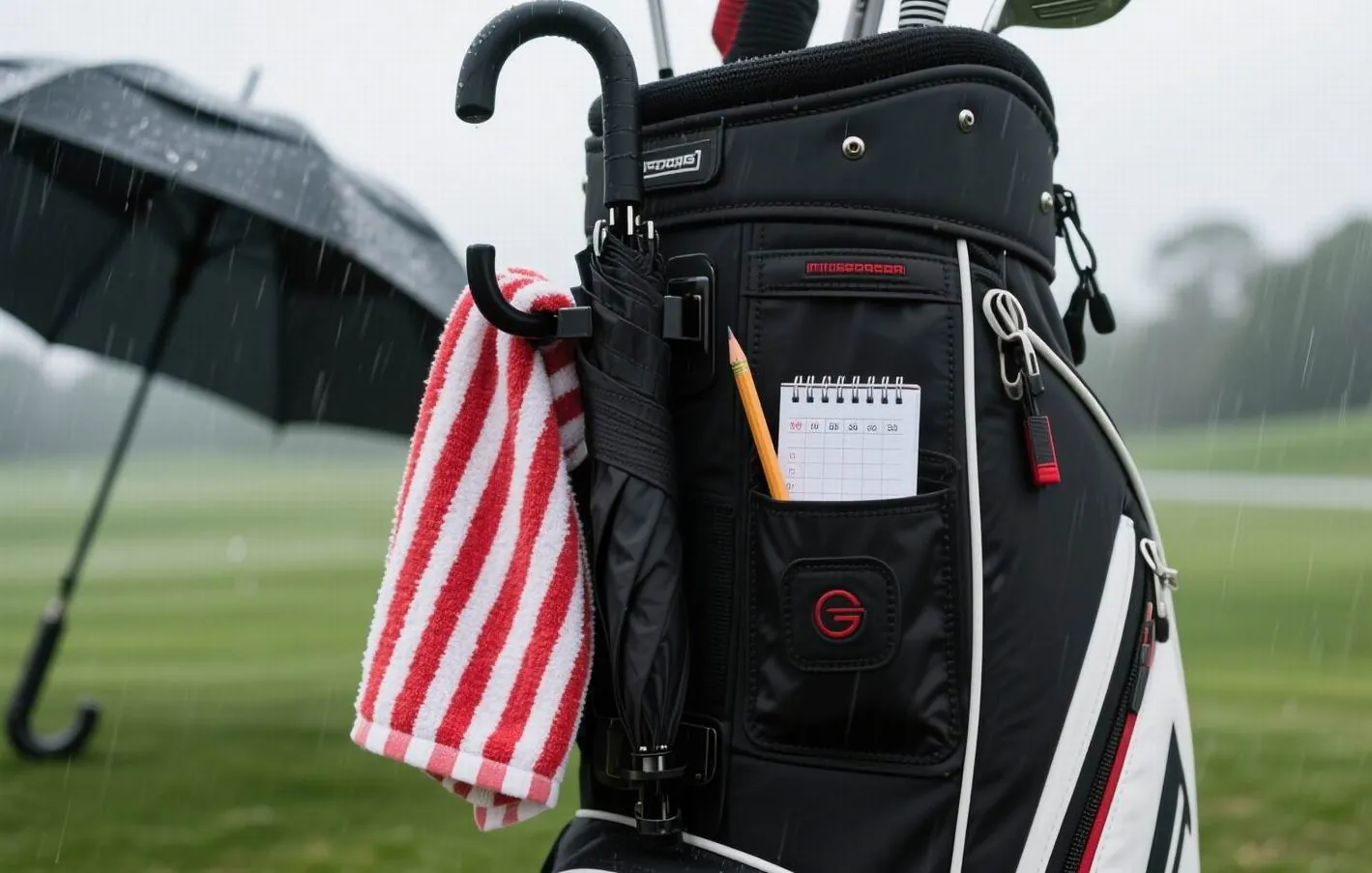
Finally, test data is a buying checklist in its own right. Physical testing — drop tests, rain-booth cycles, zipper open-close cycles, load tests — remains the ground truth that no model can fully replace. A factory's claim of performance optimization is only credible when backed by documented tests and, ideally, an independent audit such as the SGS inspection the reference facility passed in March 2026. Pair the algorithmic insight with physical verification and you have a defensible basis for a purchasing decision.
Frequently Asked Questions
- What does AI optimization actually change about a golf bag?
- It changes the practical fundamentals: better factory QC and forecasting on the supply side, and lighter, better-balanced carry plus club-loss protection on the player side. It rarely justifies a gadget premium on its own.
- Which optimization feature is worth the most?
- RFID club tracking and load weighing deliver clear everyday value because they solve real problems — lost clubs and heavy carry. Chatty assistant features often cost battery life without equivalent benefit.
- How do I verify a factory really uses AI optimization?
- Ask for independent audits like SGS, machine and staffing counts, written lead-time policy, then run a 100-pc test order against the 200-pc MOQ and check defect and lead-time numbers across two or three orders.
- Does a smart bag still work when the battery dies?
- It must. The bag should function normally as an ordinary carry or cart bag at zero charge. Verify this, along with runtime, charging time and IP rating, before buying.
- How is my bag telemetry protected?
- It should be collected minimally, kept on-device, encrypted in transit and deletable by the owner. Get a written data-handling statement from your supplier and reject vague answers.
- Is the machine learning the reason for a premium price?
- No. Anchor price on physical hardware and materials. ML is a software layer; premium should reflect genuine sensors, battery and build quality, verified by evidence rather than marketing.
About the Manufacturer
QUANZHOU JUNYUAN BAGS operates a 4,950 m² affiliated production floor established in 2014, with founders who entered the luggage and bag trade in 2004. The site runs 7 production lines with 126 sewing machines and around 137 employees, producing up to 200,000 pieces a month for 200+ brands across 100+ countries. Standard MOQ is 200 pieces with 100-piece test orders; sampling takes 10–20 days and bulk production 45–60 days. The facility passed SGS audit in March 2026. Contact service@junyuanbags.com or +86 177 5002 0688.
Related Reading on Golf Bag Technology
Explore the future of golf bag technology and innovation trends, the practical overview of smart golf bag features that are worth the cost, how digital innovation is changing bag design and manufacturing, and the state of smart golf bags and connected equipment in 2025.