Golf bag ergonomic design and comfort optimisation is the engineering discipline of reducing load, improving balance and reducing fatigue by matching the bag to the golfer's body and carrying style — through strap engineering, weight distribution, hip support, pocket placement and ventilation — so that carrying a bag protects performance, posture and enjoyment across a full round. This guide explains the science of ergonomic load, breaks down every comfort component, helps you choose the right bag for walking versus carting, and connects ergonomic design to OEM manufacturing so you can brief a bag that genuinely reduces fatigue.
The golf bag is the one piece of equipment carried for hours, often weighing ten kilograms or more at the start of a round and demanding sustained postural work from the neck, shoulders and lower back. Ergonomics — the design of equipment around the human body rather than the other way around — turns an ordinary heavy bag into a tool that protects the golfer. As walking golf and push-cart play grow, and as golfers become more aware of the physical cost of poor equipment, ergonomic comfort has become a defining feature of both premium and professional bags. This guide gives the full picture, from the biomechanics to the manufacturing choices that deliver comfort at scale.
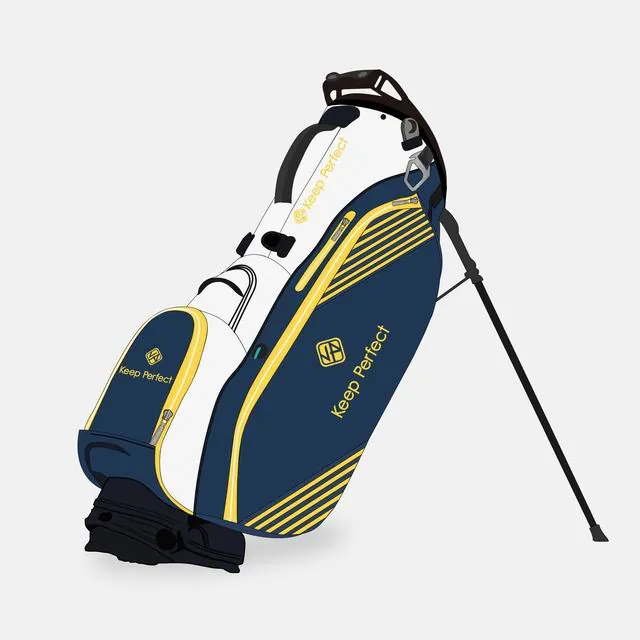
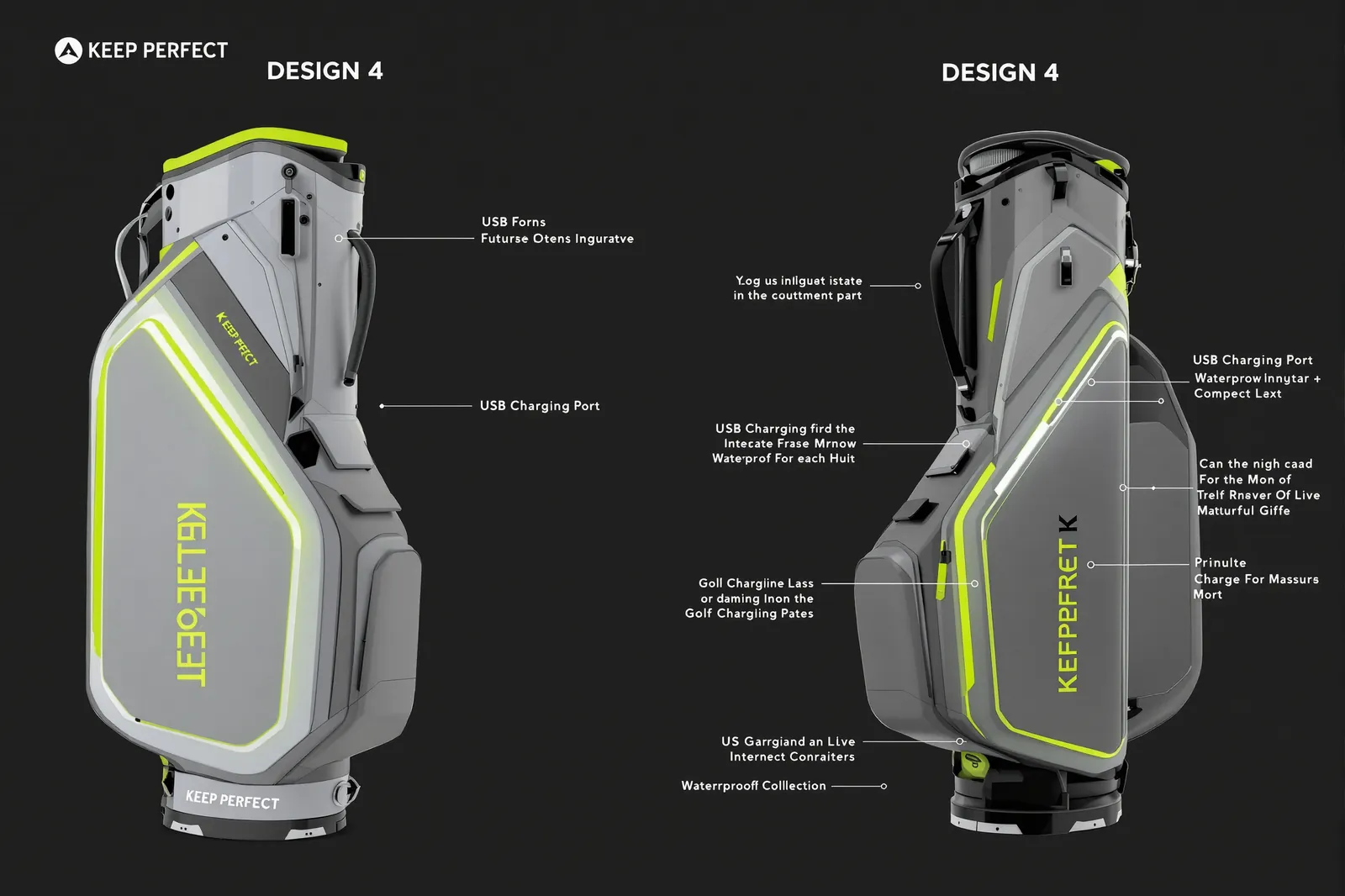
Ergonomic golf bag designed for comfortable carry with padded dual straps
Why Ergonomics Matter in Golf Bag Design
Ergonomics transforms the golf bag from a carrying problem into a performance advantage. Over four to five hours, the bag's weight, balance and strap load act continuously on the golfer's body, and small ergonomic improvements compound into measurable gains in fatigue, posture and shot consistency. A bag that digs into the shoulder, swings off-balance or pulls the torso to one side costs energy and concentration that the golfer cannot spare.
There is also a health and enjoyment case. Poorly designed, heavy or unbalanced bags contribute to back, neck and shoulder strain that discourages walking golf and reduces the sport's accessibility. Ergonomic bags keep players comfortable and on the course longer, which is why they now command a visible price premium and why serious golfers treat ergonomics as a core specification, not a luxury.
Manufacturing economics matter too. Ergonomic features — contoured straps, hip straps, weight-distribution channels — are built at the pattern and sewing stage, so improving comfort is a design-hour decision, not a materials luxury. A factory that understands ergonomic construction can deliver a genuinely comfortable bag at a realistic MOQ, making comfort accessible to brands of every size.
The Key Ergonomics of Gold Bag Load: A Reference Table
| Ergonomic Element | What It Does | Performance Benefit | Design Focus |
|---|---|---|---|
| Contoured Straps | Widen and shape shoulder contact | Reduce pressure points, distribute load | Foam, width, curvature |
| Hip / Waist Strap | Transfer load to the hips | Unload lower back, stabilise | Attachment height, padding |
| Weight Distribution | Balance load around the body | Stable carry, less sway | Pocket placement, base balance |
| Back Panel & Ventilation | Airflow and cushioned contact | Reduce heat, sweat and chafing | Foam channels, mesh |
| Lightweight Materials | Lower base weight | Less total load carried | Fabric, hardware, frame |
| Adjustable Fit | Tune straps to body size | Secure, customised carry | Sliders, length adjust |
This reference table is your vocabulary for briefing a comfortable bag. Each element converts directly into a design decision and a manufacturing spec, and together the six elements are what make a bag genuinely ergonomic rather than merely marketed as such.
Strap Engineering: The Foundation of Comfort
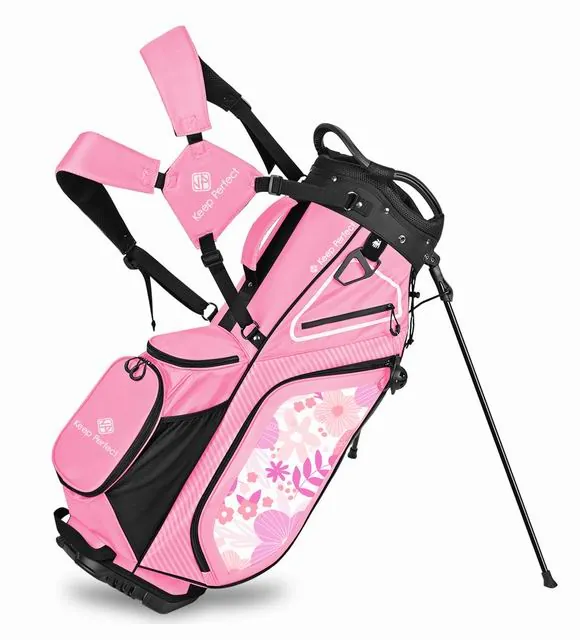
The shoulder strap is the point where the bag's weight meets the body, so it is the most important ergonomic component. A well-engineered dual-strap system rests the load on both shoulders rather than one, halving the pressure on each side and dramatically reducing neck and upper-back strain. Contoured, foam-padded straps with a curved shape follow the shoulder's natural line and spread the load over a wider area, cutting painful pressure points.
Adjustability is equally critical. Straps with smooth sliders and a wide range of adjustment let golfers set the bag to their body size, carrying height and posture, which holds the bag stable and prevents it from sagging or riding up during the swing. A properly adjusted bag stays close to the body, reducing sway and the corrective muscular work that drains energy over a round.
The strap detail directly connects to comfort and to performance: a stable, well-padded, correctly adjusted carry keeps the golfer's shoulders and back relaxed, protecting posture into the late holes where fatigue usually decides scores. This is why strap engineering is the first thing a serious buyer examines on any candidate bag.
Hip Support and Weight Distribution
The human body carries weight best through the hips and legs, not the shoulders and neck. Ergonomic bags transfer part of the load to the hips through a cushioned hip or waist strap, letting the strongest part of the body support the bag while unloading the lower back. This is the single most effective anti-fatigue feature for walkers and, done well, it makes a full round markedly less wearing.
Weight distribution is the other half of balance. Where pockets are placed and how the base is weighted determines whether the bag hangs stable or swings off-balance as you walk. Bags designed with the heavier load low and close to the body feel dramatically lighter and steadier than a bag that places weight high or far from the torso, which demands constant corrective effort.
Balance is also a safety and ball-stability factor — an off-balance bag on a cart can tip or shift clubs. Design discipline around base weighting and pocket placement delivers the stable carry that keeps both the golfer comfortable and their equipment secure. The storage and organisation that shapes this balance is covered in our storage and organisation guide.
Back Panel, Ventilation and Climate Comfort
For walking and stand bags, the panel that contacts the golfer's back is a full-round comfort surface. A cushioned, contoured back panel padded with soft foam and shaped to the spine improves the comfort of the carry itself, while ventilation channels — raised foam ridges or breathable mesh — create airflow between the bag and the back, reducing heat, sweat and chafing on warm days.
Ventilation is more than a comfort nicety. On hot rounds, heat build-up and moisture cause chafing, distraction and energy loss, all of which cost focus on the approach and putts. An engineered airflow panel keeps the golfer cooler and drier, protecting performance through the hottest hours. It also improves hygiene over a long season, keeping the bag fresher between cleans.
For comfort and climate together, material selection works symbiotically with ventilation: breathable mesh sections, quick-drying linings and lighter, wicking fabrics cut both weight and heat. The ergonomic and climate features reinforce each other, which is why the best comfort bags address load and airflow as one system rather than separately.
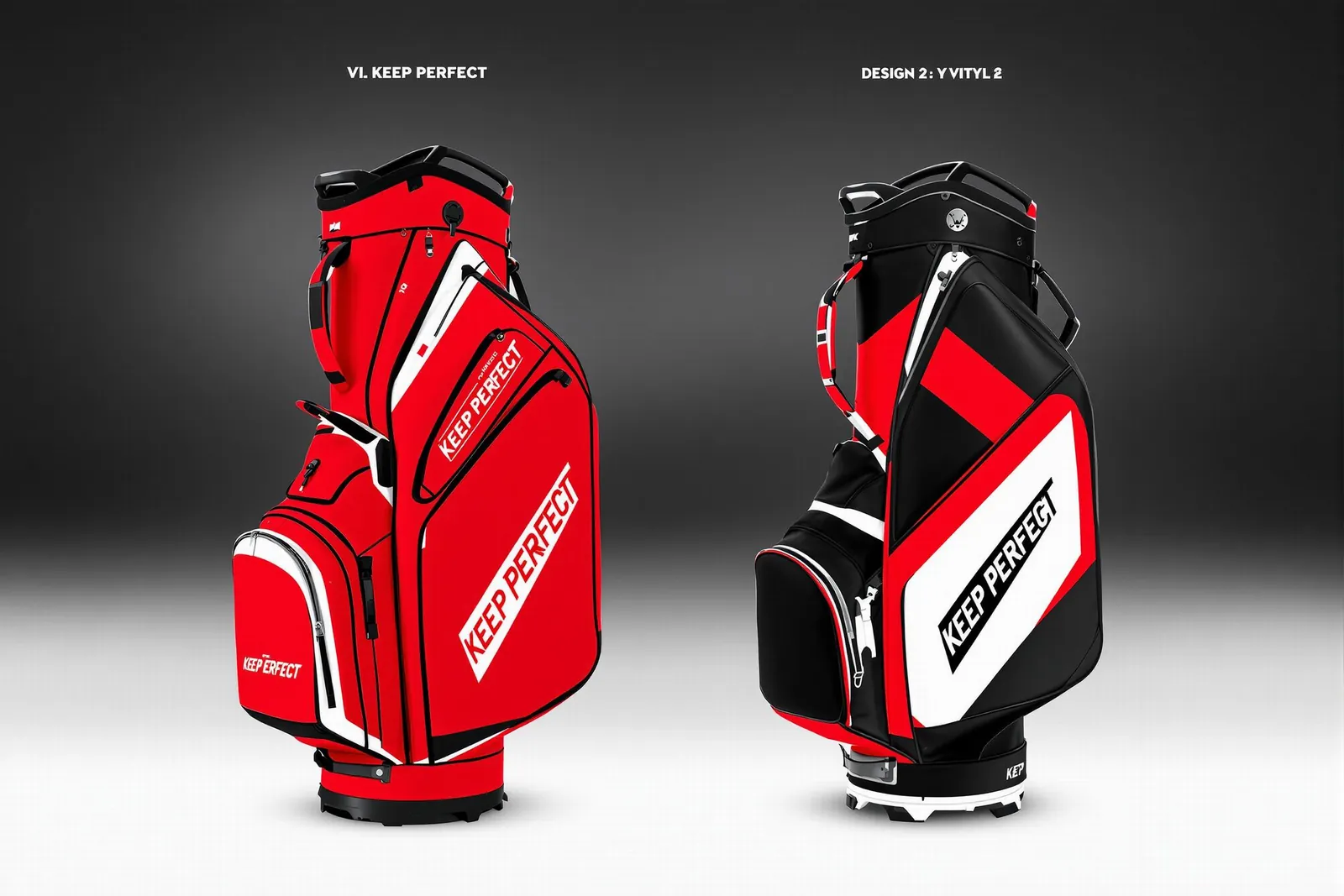
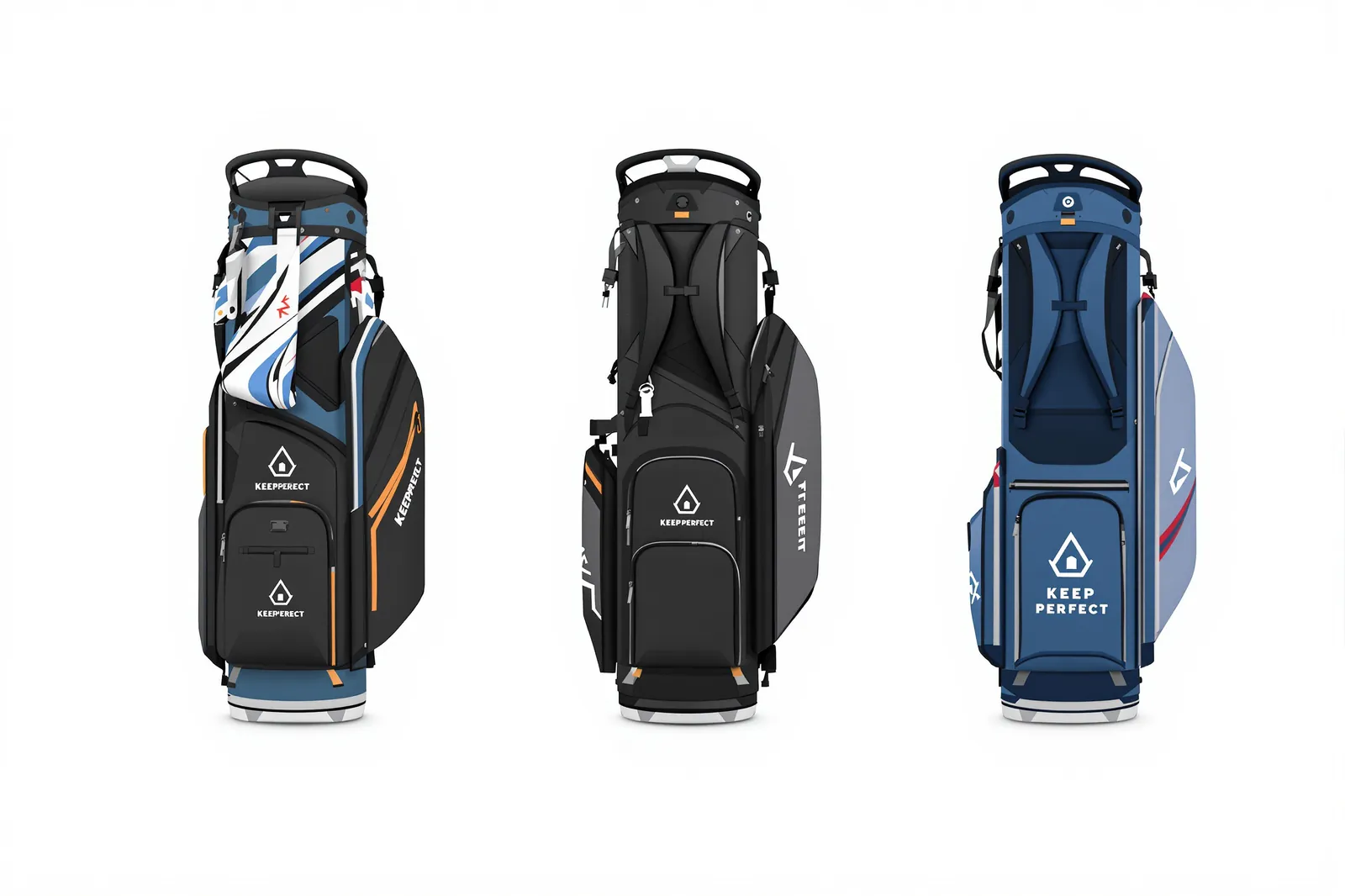
Ergonomic golf bag with a ventilated back panel and balanced weight distribution
Walking vs Carting: Choosing the Right Ergonomic Design
Ergonomic priorities differ sharply between walking and cart use, and choosing the wrong focus wastes money and comfort. For walkers, the emphasis is on straps and hip support, weight distribution, lightweight construction and back-panel ventilation, because the bag rides on the body. A comfort-designed carry bag makes walking a round an aerobic pleasure rather than a chore.
For Walkers
Prioritise padded dual straps, hip strap, good balance, back ventilation and the lightest practical materials. These features convert directly into lower fatigue and better posture across walking rounds.
For Cart Users
Prioritise stable base geometry, secure cart fit, easy pocket access and a low centre of gravity that prevents tipping. Comfort sits in the top-handle, grab points and stable-on-cart construction.
Many golfers alternate between walking and riding, so hybrid designs that balance both are increasingly popular. The compatibility between a bag and your trolley or cart is a real ergonomic factor too — a bag that fits a cart poorly shifts or tips, negating its comfort. Our push-cart compatibility guide covers that relationship in detail.
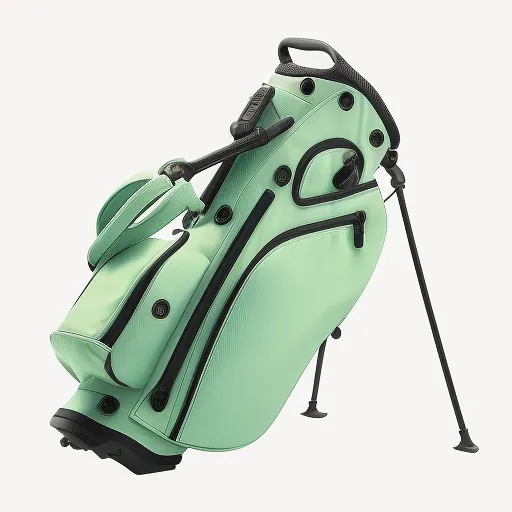
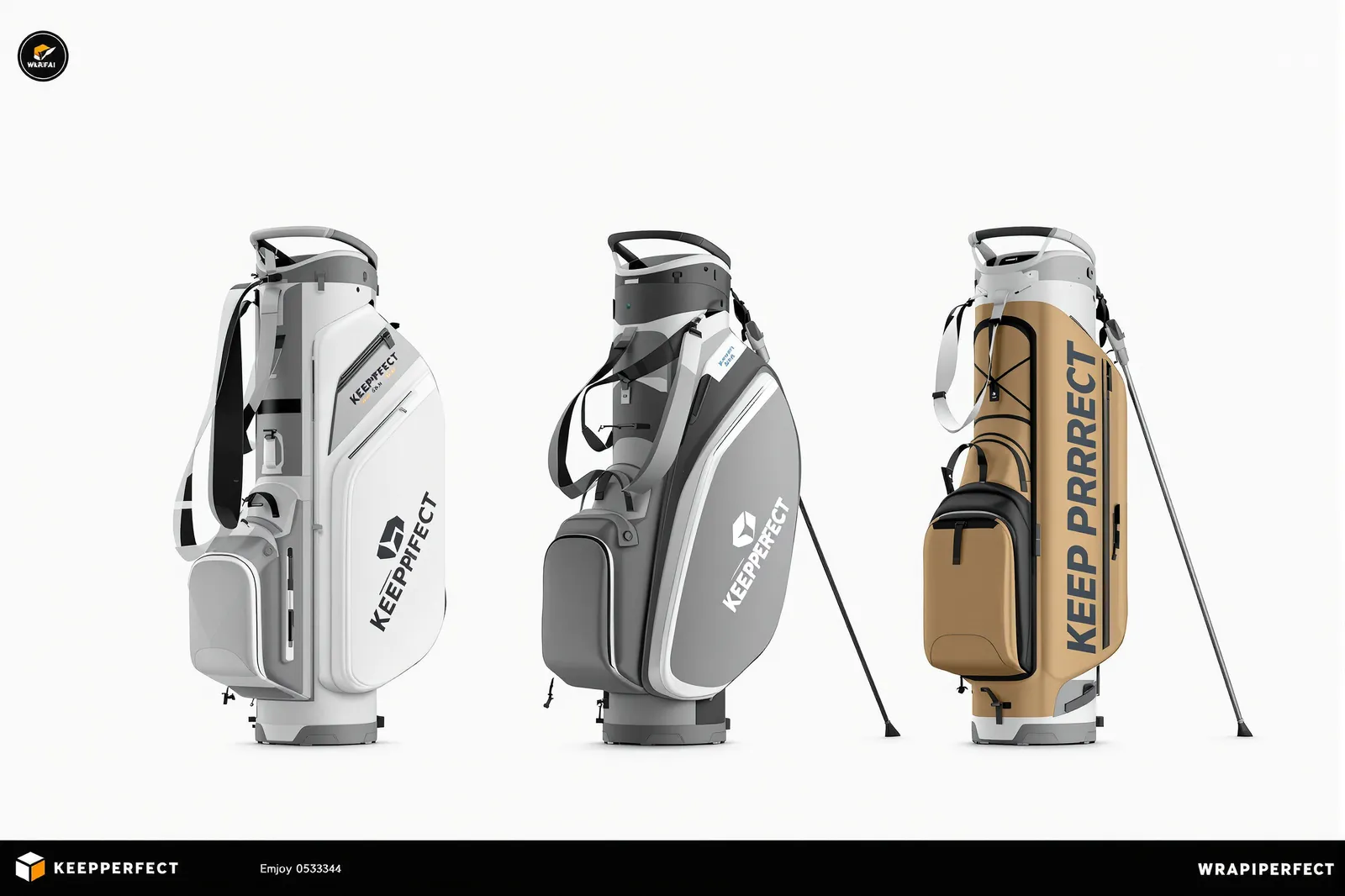
Comfort-optimised golf bag with lightweight construction for lower fatigue
Comfort-Focused Pocket and Layout Design
Ergonomics extends to how the bag is organised, because awkward access forces constant bending and reaching. Comfort-focused designs place the most-used pockets and the rangefinder and drink at comfortable heights along the bag, align dividers for easy club return, and balance weight so collection points sit close to the body. A well-laid-out bag reduces the physical effort of each of the dozens of access movements in a round.
The storage philosophy is ergonomic as much as organisational: put heavy or frequently-used items in pockets that are easy to reach without twisting, keep the load balanced side to side and place the coolest, most-used items at the top for walkers. This is what turns a merely organised bag into a genuinely comfortable one, and it is the functional half of "personalised to you" that modern buyers increasingly expect.
Structural personalisation — configuring pockets and dividers to an owner's gear — is the highest form of comfort design, because it suits the layout to the golfer. The pattern-stage work that delivers this is covered in our customization and personalisation guide, where functional and identity personalisation meet.
Ergonomic Comfort in Manufacturing
Ergonomic comfort is engineered at the pattern and sewing stage, which means manufacturing capability decides how much comfort a brand can actually deliver. Contoured strap shaping, hip-strap attachment height, foam channels for ventilation and base weighting all require disciplined pattern work and experienced sewing. A factory fluent in these construction techniques can turn ergonomic intent into a stable, comfortable, repeatable product.
QUANZHOU JUNYUAN BAGS (service@junyuanbags.com, +86 17750020688) builds ergonomic construction across golf bags and related categories. With industry experience since 2004 and the company founded in 2014, it operates through an affiliated factory of approximately 4,950 m² staffed by roughly 137 people across seven production lines and 126 sewing stations, with monthly output near 200,000 pieces serving over 200 brands in more than 100 countries, and was SGS-reviewed in March 2026. A standard programme runs at a 200-piece MOQ (test orders from 100), sampling in 10–20 days and bulk production in 45–60 days.
When briefing ergonomics, specify the strap system, hip support, back-panel ventilation and base weighting, and confirm the factory can build them consistently through pattern and QC. A partner that understands ergonomic construction keeps comfort features tight-tolerance and repeatable across the run, which is what protects the comfort promise a brand advertises.
Testing and Verifying Ergonomics
Ergonomic claims should be verified, not trusted. Testing starts with the load: weigh the bag empty and confirm the weight is competitive and the base balance centres the heavier load low. Then examine strap comfort — padding, width, shape and adjustability — and the hip-support attachment height over test carries. Finally, check back-panel ventilation pads and the stable-on-body feel during simulated walking and swing.
For a bulk order, effort-testing a pre-production sample on the golf course or for a repeated walking period is the highest-fidelity validation. Industry sources like MyGolfSpy and Golf Digest regularly load-test and carry-test bags, and their measured findings on weight, strap comfort and balance are a useful independent benchmark when evaluating a candidate bag spec.
Testing also feeds back into the QC standard: confirm the factory keeps the ergonomic construction — contoured straps, hip straps, ventilation, base weighting — consistent across the run, just as it locks colour and logo standards. This closes the loop between the ergonomics designed, the sample tested and the units shipped.
Ergonomics and the Recovery of Walking Golf
Ergonomic comfort sits at the heart of the revival of walking golf. As more golfers and clubs promote walking for health, pace and course experience, the physical comfort of carrying becomes a barrier or an enabler. A bag that genuinely reduces load and fatigue keeps players walking longer, more often and later in their lives, which is why ergonomic design is now framed as a health-and-retention investment as much as a performance feature.
For the sport, the economics of comfort are clear: players who are comfortable carry and play more, driving rounds, membership and equipment sales. For the individual, a well-designed ergonomic bag protects the body across thousands of miles walked over a golfing life, reducing the accumulated strain that discourages participation. Ergonomics turns the golf bag from the day's heaviest burden into a considered partner in keeping golfers active.
The Ergonomic Brief: What to Specify With a Manufacturer
So that a manufacturer can build comfort rather than just claim it, the brief must be explicit. Specify the strap system — category (single vs dual), padding thickness, width, contoured shaping and adjustment range. Specify hip or waist support, including the attachment height and cushioning that offloads the lower back. Specify back-panel ventilation as raised foam channels or breathable mesh. And specify the weight-distribution strategy: where the heavier load sits and how the base is balanced.
The brief should also set the test standard: the target empty weight, the load it will carry, and the carry test the sample must pass before bulk. Because 45–60 days of production follow a 10–20 day sampling window, an explicit ergonomic brief locked in at sampling is the cheapest insurance against shipping a bag that merely looks comfortable but carries poorly.
For a walking bag, the separation of comfort and load is the essence: two bags of similar weight can feel completely different depending on how the weight sits, how the straps cradle the shoulders and how much of the load transfers to the hips. This is why an ergonomic brief focuses on distribution and interface rather than on weight alone. A buyer who understands this can evaluate a sample on the body, not just on the scale, and specify a bag that protects the golfer through the hardest miles.
Comfort specifications also need to survive QC. The strap padding width, hip-strap attachment height, back-panel ventilation channels and base weighting should all be checkable against the approved sample, so the comfort a brand advertises is the comfort a factory actually ships. Tightening that QC link is what protects the ergonomic promise across the entire run and across repeat orders.
Comfort also depends on fit being adjustable to the individual. Because golfers differ in height, reach and shoulder width, a fixed strap setting serves no one perfectly; an adjustable system that tunes carrying height and strap length is the difference between a bag that is merely padded and one that is genuinely ergonomic. The same logic applies to hip-support position, which should align with the individual's hips rather than a single default. These fit adjustments, locked into the pattern, are what let a standard bag adapt to many bodies.
Frequently Asked Questions
- What makes a golf bag ergonomic?
- An ergonomic golf bag reduces load and fatigue through contoured, padded dual straps, hip support that offloads the lower back, balanced weight distribution, a cushioned ventilated back panel and ideally lighter materials. It is engineered around the golfer's body.
- Are dual straps better than a single strap?
- For walkers, yes. Dual straps spread the weight across both shoulders, roughly halving the pressure on each, reducing neck and back strain and improving balance. Most comfort-focused walking bags use a padded dual-strap system.
- Does a hip strap really reduce back pain?
- Yes. A cushioned hip strap transfers part of the weight from the shoulders and lower back to the hips, which carry load more efficiently. It significantly reduces lower-back loading and helps stabilise the bag on long carries.
- Are ergonomic bags worth the extra cost?
- For players who walk, an ergonomic bag is worth it because reduced fatigue and better posture protect performance and enjoyment across full rounds. Features like dual straps, hip support and ventilation deliver lasting comfort value over many years of play.
- How do I choose between a walking and cart bag?
- Choose by how you play. Walkers need strap and weight-distribution comfort; cart users need stable base geometry and secure cart fit. Hybrid designs balance both if you alternate between walking and riding.
- Can I commission an ergonomic custom golf bag?
- Yes. Ergonomic features are built at the pattern and sewing stage through an OEM/ODM programme. QUANZHOU JUNYUAN BAGS develops ergonomic bags at a 200-piece MOQ with 100-piece test orders, sampling in 10–20 days and bulk production in 45–60 days.
Conclusion
Golf bag ergonomics and comfort optimisation turn the hardest-carrying piece of equipment in golf into a performance and health asset. Contoured dual straps, hip support, balanced weight distribution, a ventilated back panel and lighter materials all reduce load and fatigue, protecting posture and enjoyment across full rounds and keeping golfers on the course longer.
Ergonomic comfort is engineered at the pattern and sewing stage, so it is a design-hour decision rather than a luxury, and it is delivered reliably by a manufacturing partner fluent in the construction. Whether you are buying your own walking bag or commissioning an ergonomic custom range, brief the strap system, hip support, ventilation and balance, test the sample, and verify QC keeps it consistent. Do that, and your golf bag works with your body instead of against it — every hole, every round. To brief an ergonomic custom bag, contact QUANZHOU JUNYUAN BAGS at service@junyuanbags.com or +86 17750020688.
Author & Manufacturing Note
QUANZHOU JUNYUAN BAGS — OEM/ODM golf bag manufacturer. Industry experience since 2004; company founded 2014; affiliated factory approx. 4,950 m²; seven production lines, 126 sewing stations, ~137 staff, monthly output ~200,000 pieces; serving 200+ brands across 100+ countries; SGS-reviewed March 2026. Standard OEM MOQ 200 pieces (test orders from 100), sampling 10–20 days, bulk production 45–60 days.
Contact: service@junyuanbags.com · WhatsApp/Phone +86 17750020688